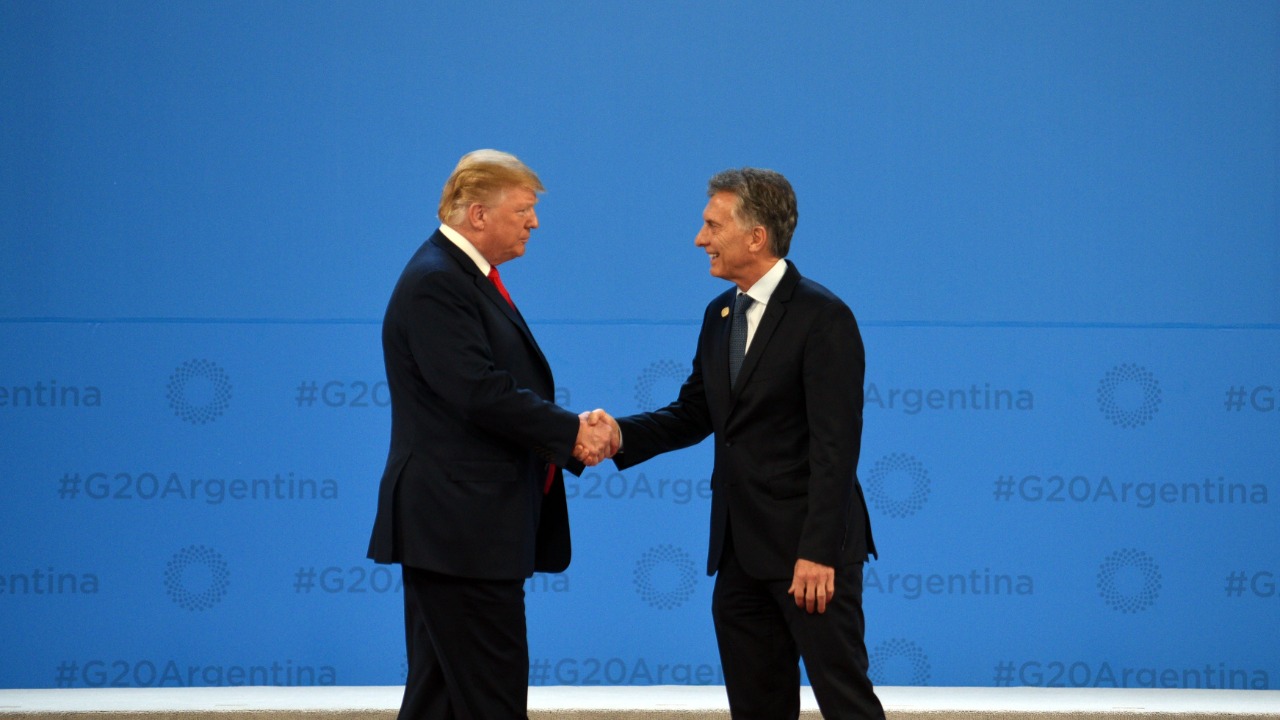
US ranchers are voicing strong opposition to President Donald Trump’s proposal to increase beef imports from Argentina, arguing that it threatens domestic producers and exacerbates existing trade tensions. Even within the GOP, there are calls to prioritize American interests, revealing a significant rift between Trump and his traditional agricultural supporters. This backlash, reported on October 25, 2025, underscores a growing sense of betrayal among ranchers who have been some of Trump’s most loyal backers.
Trump’s Proposal on Beef Imports
President Trump’s proposal to import more beef from Argentina is part of a broader strategy to diversify the United States’ beef supply and potentially lower consumer prices. The administration has suggested that increasing imports could help stabilize the market amid fluctuating domestic production levels. Argentina, known for its high-quality beef, has been identified as a key partner in this initiative, aligning with the administration’s efforts to strengthen trade ties with South American countries.
Supporters within the administration argue that this move could enhance economic relations with Argentina and provide American consumers with more choices. Trade experts have pointed out that such a strategy might also serve as leverage in broader trade negotiations. However, the proposal has sparked immediate reactions from various stakeholders, with some administration figures expressing cautious optimism about the potential economic benefits.
Ranchers’ Strong Opposition
US ranchers have been vocal in their criticism of the import plan, citing concerns over its impact on local markets and jobs. They argue that increasing beef imports from Argentina could lead to a surplus in the market, driving down prices and making it difficult for American producers to compete. Rancher organizations have issued statements emphasizing the threat this poses to the domestic beef industry, warning of potential economic fallout.
Many ranchers fear that the proposal could undermine years of efforts to build a robust and self-sufficient beef industry in the United States. They highlight the risk of losing market share to foreign competitors, which could result in job losses and reduced income for American farmers. The economic implications are significant, with ranchers predicting that increased imports could destabilize the market and erode the competitive edge of US beef producers.
GOP’s Call to Prioritize Americans
Even within the GOP, there is a growing chorus urging the administration to “put Americans first” in response to Trump’s Argentina beef proposal. Key GOP figures have expressed alignment with ranchers, emphasizing the need to protect domestic industries and prioritize American jobs. This intra-party pushback highlights the political challenges Trump faces in balancing trade policies with the interests of his traditional supporters.
The political implications of this opposition are profound, as it underscores a potential fracture within the party over trade issues. GOP members advocating for a focus on American interests argue that supporting domestic producers should be a priority, especially in the face of global competition. This stance reflects broader concerns about maintaining economic sovereignty and ensuring that trade policies do not disadvantage American workers.
Feelings of Betrayal Among Backers
For many in the ranching sector, Trump’s proposal feels like a betrayal of the support they have historically provided him. During his presidency, ranchers were among Trump’s most ardent supporters, drawn by his promises to bolster American agriculture and protect domestic industries. However, the current stance on beef imports from Argentina contrasts sharply with those earlier commitments, leading to feelings of disillusionment among his backers.
This sense of betrayal is compounded by the perception that the administration is prioritizing international trade relationships over the needs of American producers. Ranchers who once viewed Trump as a champion of their interests now question the consistency of his policies and their alignment with the promises made during his campaign. The broader themes of loyalty and policy consistency are at the forefront of this debate, as stakeholders grapple with the implications of shifting trade strategies.
The controversy surrounding Trump’s beef import proposal from Argentina highlights the complex dynamics at play in US trade policy and its impact on domestic industries. As ranchers and GOP members alike call for a focus on American interests, the administration faces the challenge of balancing international relations with the needs of its traditional supporters. This situation underscores the delicate nature of trade negotiations and the importance of maintaining trust with key constituencies.
For more details, visit the original report.
More From TheDailyOverview
- Dave Ramsey warns to stop 401(k) contributions
- 11 night jobs you can do from home (not exciting but steady)
- Small U.S. cities ready to boom next
- 19 things boomers should never sell no matter what

Grant Mercer covers market dynamics, business trends, and the economic forces driving growth across industries. His analysis connects macro movements with real-world implications for investors, entrepreneurs, and professionals. Through his work at The Daily Overview, Grant helps readers understand how markets function and where opportunities may emerge.


