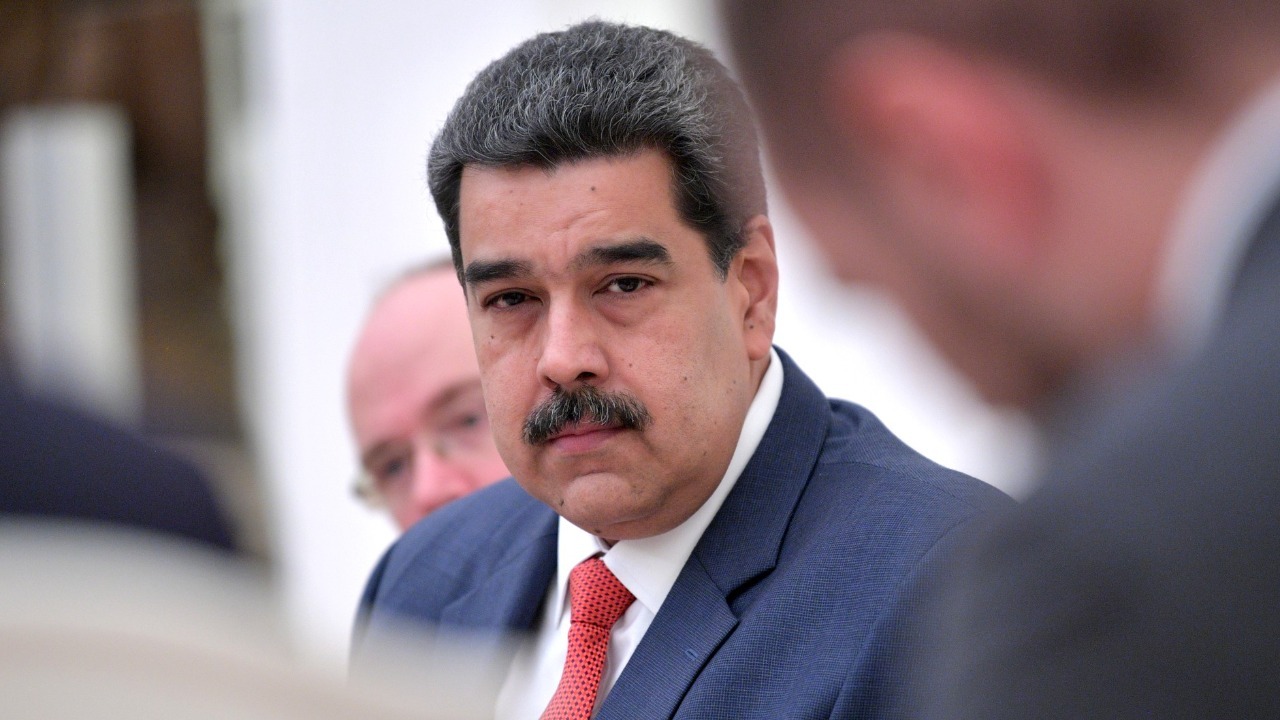
The dramatic capture of a Venezuelan leader during the United States intervention in Venezuela has turned a niche insurance problem into a global warning. Travelers who thought they were protected discovered that once a trip intersects with war, coups, or airspace closures, many policies simply stop working. The arrest has become a case study in how travel insurance can fail in wartime, leaving tourists, business travelers, and even aid workers exposed to staggering costs.
As fighting, sanctions, and evacuations ripple across borders, the fine print that once felt theoretical is suddenly very real. I see a widening gap between what travelers assume they bought and what insurers are actually willing to pay when a destination tips into conflict, and Venezuela is now the clearest example of that disconnect.
From raid to arrest: how a conflict turned into a travel risk story
The chain of events that culminated in the Venezuelan arrest began as a military operation, not a tourism crisis. The US federal government announced that The US had indicted Maduro and Flores on narcoterrorism related charges, and President Donald Trump relied on what the administration described as inherent constitutional authority to authorize an intervention. In the operation that followed, the U.S. attacked Venezuela with roughly 150 aircraft as part of a broader campaign that quickly spilled into civilian life. The U.S. military operation in Venezuela to extract the nation’s leader, Nicolás Maduro, did not just topple a government, it also detonated the assumptions many travelers had about their coverage.
As the raid unfolded, airspace closures and security alerts rippled across the region. Thousands of travelers found themselves stuck in the Caribbean after the U.S. military operation in Venezuela on Saturda disrupted flight schedules and forced airlines to reroute or cancel services. Travel insurance providers saw a surge in claims as stranded passengers tried to recoup hotel bills, rebooked tickets, and emergency expenses, while Travel experts warned that many policies explicitly exclude war and military actions. The Venezuelan arrest was the headline, but the subtext was a quiet financial shock for ordinary travelers who suddenly discovered they were on their own.
When war exclusions kick in
Most travelers buy insurance expecting it to behave like a safety net, but in conflict zones that net is full of holes. Standard travel insurance policies typically exclude coverage for disruptions caused by military action, civil unrest, or declared war, a reality spelled out in the Overview of Coverage. It is highly probable that most standard travel insurance policies are invalidated for any individual operating in a country under active conflict or subject to broad sanctions, a warning echoed in a Jan contingency plan for Venezuela. In practice, that means a traveler caught in a sudden evacuation or airport closure may find that the very event that made insurance feel essential is the one thing it will not cover.
Insurers argue that war risks are fundamentally different from routine travel mishaps, and the policy language reflects that. What the Venezuela Conflict Means is that travel insurance may not cover losses tied directly to the U.S.-Venezuela conflict, unless a traveler purchased a more flexible option like an Interrupt For Any Reason upgrade. Your travel insurance does not cover everything, and Your policy is likely to carve out high risk activities and war related incidents even if it generously covers lost luggage or a broken ankle.
FAA closures and the domino effect on stranded travelers
Once the shooting starts, the next shock for travelers often comes from regulators, not soldiers. On January 16, 2026, the On January 16, 2026, the FAA issued another 60-day notice to airmen advising airlines to exercise caution due to possible military activity in and around Venezuelan airspace, effectively extending a patchwork of restrictions that had already disrupted routes. Earlier in the conflict, the FAA had mandated airspace closures after the U.S. attacked Venezuela with roughly 150 aircraft, a move that rippled through hubs from Miami to Panama City. For travelers, the technical language of a 60-day notice translated into missed cruises, extra nights in hotels, and one-way tickets booked at eye watering last minute prices.
Thousands of travelers found themselves stuck in the Thousands of island resorts and transit lounges as airlines scrambled to comply with shifting safety directives. But if future military action in the region causes another round of disruptions, standard travel insurance may not protect you, a point underscored by guidance that But stresses that buying coverage after a conflict starts will not retroactively fix the problem. For many of those stuck in the Caribbean, the Venezuelan arrest was a distant headline compared with the immediate reality of sleeping on airport floors and arguing with call centers about who would pay.
The Venezuelan arrest and the illusion of blanket coverage
The capture of the Venezuelan leader crystallized a broader misunderstanding about what travel insurance is designed to do. Venezuelan leader’s capture shows the limits of travel insurance, and Venezuelan coverage gaps could leave you on the hook for war linked evacuations or rerouted itineraries that cost thousands of dollars. Consumers assume travel insurance is blanket and covers everything that could possibly go wrong, but Consumers are now learning that war, terrorism, and high risk activities sit in a different category from delayed bags or a sprained wrist.
Experts warn coverage gaps could leave you on the hook for war linked evacuations, and those Experts note that arranging a private evacuation or last minute charter can run into tens of thousands of dollars. Venezuelan leader’s capture shows the limits of travel insurance in another way too, because Venezuelan officials and foreign nationals caught up in the operation faced legal and security risks that no consumer policy is built to handle. When a destination shifts overnight from high risk to active conflict, the illusion of blanket coverage disappears and travelers are left parsing exclusions they never read.
What travelers can actually do before the next flashpoint
For anyone still planning trips into volatile regions, the Venezuelan episode is less a reason to give up on insurance than a prompt to buy smarter. Travelers may assume that disruptions caused by geopolitical events will automatically trigger payouts, but the Travelers Navigate guidance stresses the need to document every expense with receipts, airline notifications, and proof of cancellations. What the What the U.S.-Venezuela conflict means for travel insurance coverage is that options like Cancel For Any Reason or Interrupt For Any Reason can provide partial reimbursement even when war exclusions apply, though they come with higher premiums and strict purchase windows.
Timing is critical, because once a conflict is a known event, new policies will not cover it. “It is like buying car insurance after you hit a tree,” as Suzanne Morrow, Suzanne Morrow, CEO of a major comparison site, put it when describing travelers who tried to buy coverage after flights were already canceled. The U.S. State Department had long warned against travel to Venezuela, and its travel advisory made clear that kidnapping, crime, and political instability were already elevated risks. For corporate travelers, a separate Venezuela Contingency Plan urged employers to treat insurance as only one layer in a broader safety and security protocol.
More From The Daily Overview
*This article was researched with the help of AI, with human editors creating the final content.

Elias Broderick specializes in residential and commercial real estate, with a focus on market cycles, property fundamentals, and investment strategy. His writing translates complex housing and development trends into clear insights for both new and experienced investors. At The Daily Overview, Elias explores how real estate fits into long-term wealth planning.

