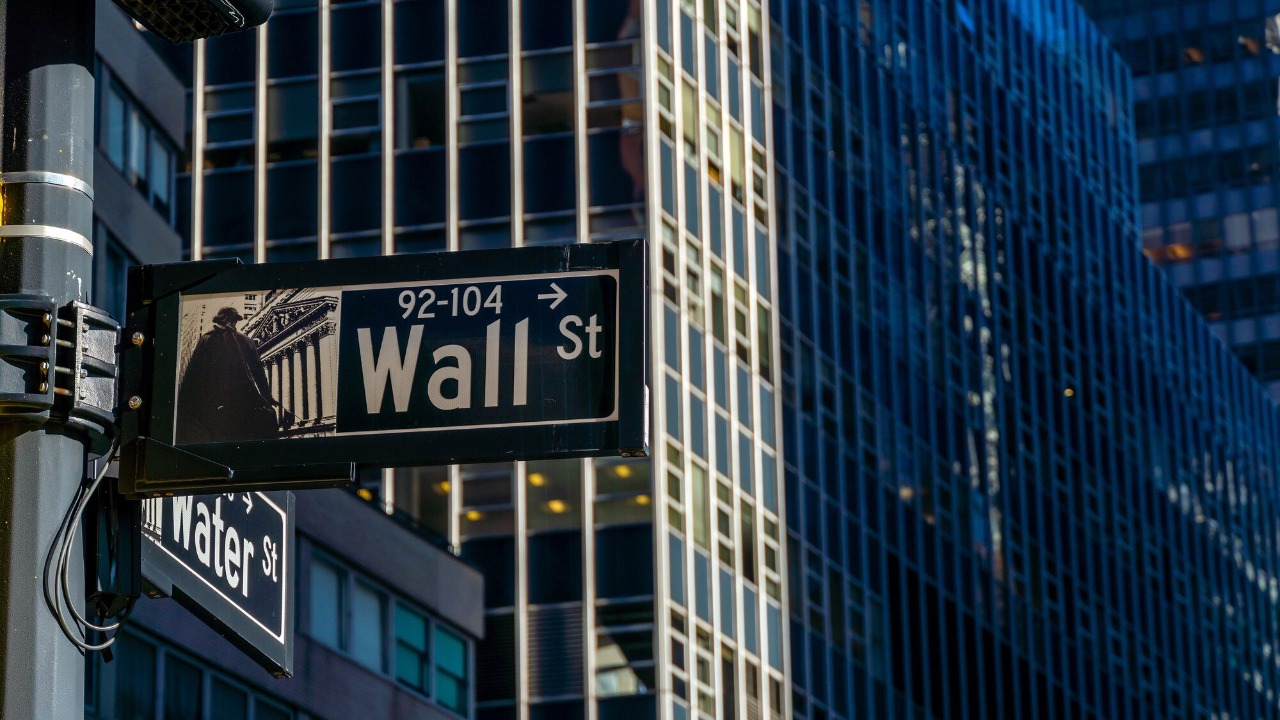
Wall Street is once again piling into the so‑called TACO trade, betting that President Donald Trump will talk tough on tariffs but ultimately pull back before real economic damage hits. After a bruising stretch when that assumption failed and tariff threats turned into actual policy, traders are testing the same thesis with fresh money and shorter memories. The renewed enthusiasm says as much about investor psychology as it does about the president’s approach to economic brinkmanship.
The stakes are not abstract. From tariff-sensitive manufacturers to meme stocks tied to Trump’s brand, the TACO narrative now shapes how capital flows through everything from industrial giants to speculative media plays. I see a market trying to arbitrage one man’s impulses, even as the record shows that Trump does not always flinch when the costs land on shareholders.
How ‘Trump Always Chickens Out’ became a trading script
The TACO idea began as a political in‑joke and hardened into a trading framework. The phrase Trump Always Chickens, shortened to TACO, captured a pattern in which the president would threaten extreme tariffs, watch markets wobble, then dial back just enough to calm investors. In that cycle, traders learned to buy dips on the assumption that the White House would ultimately prioritize stock prices over policy maximalism, and the meme migrated from social media into trading desks.
As the label spread, it gave Wall Street a shorthand for a complex bet: that Trump’s bark on trade would remain louder than his bite. The TACO trade, in its purest form, meant fading panic whenever tariff rhetoric spiked, on the theory that the threats would be reduced and the market rebounds would follow. By turning a behavioral quirk into a ticker‑friendly acronym, investors converted political brinkmanship into a repeatable, if risky, strategy.
From meme to market move: the first TACO boom and bust
Once the meme caught on, There was a rush to formalize it into a playbook. Analysts described a new trade on Wall Street built around TACO, with Investors and hedge funds leaning into tariff headlines as entry points rather than red flags. In coverage of the early phase, reporter Ian Swanson detailed how traders were effectively pricing in Trump’s habit of backing away from the most extreme measures, even as officials floated scenarios like triple‑digit tariffs and cited figures such as 39 percent in some warning models. The logic was simple: if the worst case never arrives, every tariff scare is a buying opportunity.
That complacency collided with reality when Trump seized on stock market highs to push ahead with new levies. As The TACO trade gained popularity, markets that had previously brushed off tariff threats were forced to confront the fact that the president was willing to charge ahead even when investors expected a retreat. The result was a painful unwind for funds that had treated TACO as a one‑way bet, revealing that the meme could backfire when policy hardened instead of melting away.
Trump pushes back as Wall Street tests his resolve
The more traders treated TACO as a given, the more it grated on the president himself. In one widely shared clip, President Donald Trump bristled at suggestions that Wall Street believed he was ultimately unwilling to follow through on extreme tariffs, using a press gaggle to swat at reports of a so‑called TACO craze. His irritation underscored a political reality: no leader wants to be seen as predictable or weak, especially when markets are effectively betting against his resolve. By turning his decision‑making into a meme, traders risked provoking the very follow‑through they were discounting.
At the same time, some analysts argued that the original acronym missed the mark. In one assessment, commentators suggested that Trump always tries might be a better description of his approach, pointing to repeated efforts to revisit tariff fights even after temporary truces. That framing matters for investors: a president who circles back to trade battles, rather than abandoning them, creates a choppier environment in which each reprieve may be temporary. The more Wall Street leans on the idea that he will always blink, the more exposed it becomes when he decides to push through another round.
The new TACO trade: tariffs, tech and Trump‑linked stocks
Despite the scars from earlier misfires, the TACO trade has reemerged as a kind of sequel to the original Trump trade that once drove markets. Commentators now describe how The TACO trade has become the new shorthand for betting on Trump’s tariff brinkmanship, with some investors treating each escalation as a chance to buy cyclical stocks on sale. Here, the wager is that Trump will talk up sweeping measures, such as broad levies on America’s trading partners, then settle for narrower actions once markets signal distress. The pattern encourages short‑term speculation in sectors like autos and industrials, where tariff headlines can swing valuations in a single session.
The ripple effects extend into Trump‑branded equities as well. Shares of Trump Media & Technology Group, which trade under the DJT ticker, have become a barometer for political sentiment as much as business fundamentals. On one recent Tuesday in Jan, The Trump Media & Technology Group Corp stock price gained 0.288%, a tiny move in isolation but emblematic of how even modest shifts can be read as signals about the president’s standing. For traders chasing the TACO narrative, these swings are part of a broader ecosystem in which tariff threats, social media posts and meme stocks feed into one another.
Legal risks, family fortunes and the limits of the meme
Behind the daily noise, the legal and economic backdrop to Trump’s tariff policy is growing more complicated. In April of the previous year, In April, President Donald Trump announced sweeping tariffs on most of America’s trading partners, a move that set the stage for court challenges and a looming ruling on their legality and potential impact on the economy. That kind of structural uncertainty is harder to trade with a meme, because it affects supply chains, corporate planning and global growth in ways that do not resolve with a single tweet or press conference. If judges constrain the White House’s tariff authority, the TACO trade could lose one of its core assumptions about how freely Trump can escalate and retreat.
At the same time, the financial performance of Trump‑linked businesses has offered a cautionary tale for anyone treating his brand as a reliable asset. Reports have detailed how, since Inauguration Day, Investing in Donald Trump’s companies has been a rough ride, with his family watching roughly a billion dollars in paper wealth evaporate as Shares of Trump Media & Technology Group and other ventures whipsawed. That history undercuts the notion that simply aligning with the president’s narrative, whether through tariffs or ticker symbols, is a path to easy gains. For investors, the lesson is that political proximity can amplify volatility as easily as it creates opportunity.
All of this is unfolding in a market where data is more accessible than ever, yet still prone to narrative shortcuts. Platforms like Google Finance give traders instant access to charts, fundamentals and currency moves, but they cannot substitute for judgment about how a president will act when political incentives collide with market expectations. As Wall Street once again chases the TACO trade, I see a familiar tension: the desire to turn complex policy risk into a simple acronym, and the recurring reminder that no meme can fully capture the behavior of a White House that is still willing to surprise its own investors.
More From The Daily Overview

Grant Mercer covers market dynamics, business trends, and the economic forces driving growth across industries. His analysis connects macro movements with real-world implications for investors, entrepreneurs, and professionals. Through his work at The Daily Overview, Grant helps readers understand how markets function and where opportunities may emerge.

