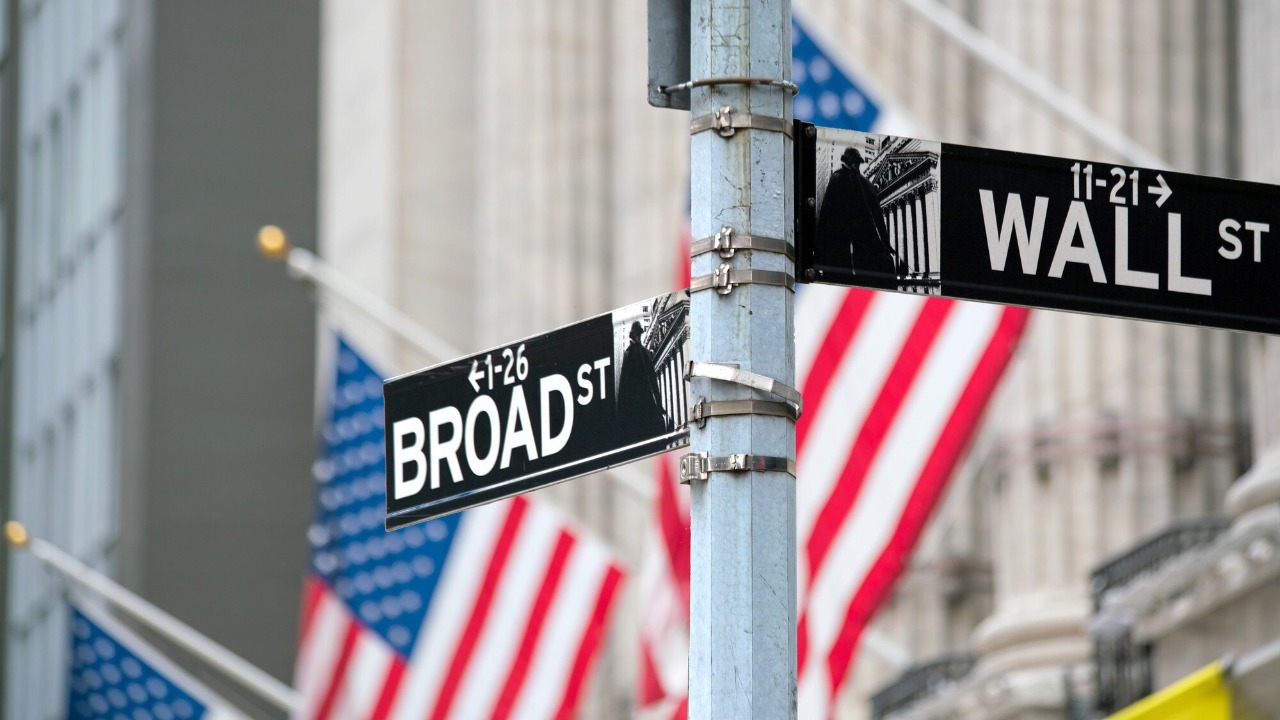
Wall Street has spent the past week trading not just on earnings and economic data, but on the fate of a remote Arctic island and a looming Supreme Court showdown. With President Donald Trump backing away from his threat to slap new tariffs on European allies over Greenland, traders are unwinding one geopolitical scare while quietly wagering that the justices will soon curb his broader tariff powers. The result is a market that is relieved in the short term and increasingly confident that the courts, not foreign governments, will set the outer limits of Trump’s trade brinkmanship.
At the center of this drama is a cluster of highly specific moves: a threatened extra 10% levy on key European partners, a sudden “framework” deal over Greenland, and a Supreme Court case that could decide how far any president can stretch emergency trade laws. I see investors reading those signals as a package, betting that the Greenland retreat foreshadows a legal ceiling on future tariff shocks.
From tariff shock to relief rally
The market story starts with the shock that never quite landed. Earlier this month, President Trump signaled that he would apply an extra 10% tariff on Denmark the UK other European partners, explicitly tying the move to his long running push for control and “total access” to Greenland. Legal analysts described how the Trump Administration Threatens on European Allies Linked to the Greenland Dispute, with President Trump using social media to frame the measures as leverage in a territorial standoff rather than a conventional trade dispute. That linkage rattled investors who had grown used to tariffs as bargaining chips over steel, autos or digital taxes, not over the future of an island in the Arctic.
As the rhetoric escalated, traders scrambled to price in the risk that new import taxes would hit European industrials and U.S. multinationals with deep exposure to the continent. The anxiety was visible in derivatives tied to a coming Supreme Court ruling on Trump’s tariff authority, where odds on a decision upholding his powers initially climbed after the Greenland threats. One analysis of Supreme Court tariff bets described how pricing on Polymarket and Kalshi shifted after the Greenland shock, with traders watching the S&P 500 and Nas futures as a proxy for legal expectations. The message from those markets was clear: if Trump could freely weaponize tariffs over Greenland, the risk premium on global equities had to rise.
Trump’s Greenland climbdown and the NATO angle
The mood flipped when Trump abruptly softened his stance. After a meeting with NATO secretary general Mark Rutte, the president said there was a “framework of a future deal” on Greenland and the wider Arctic region, reached with NATO. In parallel, United States President Donald Trump publicly insisted that he would not take Greenland by force, a notable shift from earlier rhetoric about buying the island outright. That diplomatic pivot, framed as a cooperative security arrangement in the Greenland and the Arctic, gave markets a concrete reason to believe the tariff barrage might be shelved.
European officials had warned that the earlier threats to impose steep U.S. import taxes on Denmark and its neighbors could deepen a crisis inside the alliance, especially if the dispute over Greenland dragged into broader questions about NATO’s future role in the Arctic. Trump’s decision at Davos to cancel the tariff threat, with aides describing how the Tariff threat loomed over his meetings, eased those fears. For investors, the key takeaway was that alliance politics still exert a check on Trump’s most aggressive tariff gambits, especially when they collide with the strategic interests of partners who have hosted U.S. bases for “many, many decades,” as one account of the Davos discussions put it.
Markets price in a legal backstop
Even as the Greenland scare faded, traders kept one eye on Washington, where the Supreme Court is weighing how far presidents can go in using emergency economic powers to impose tariffs. Legal experts have focused on the International Emergency Economic Powers Act, or IEEPA, which Trump has hinted could underpin some of his tariff moves. One analyst noted that “Although the” president has not specified whether the Greenland related tariffs would be IEEPA based, a Supreme Court decision on that law would likely define the outer boundary of his authority. That is why derivatives tied to the Court’s ruling have become a kind of shadow referendum on Trump’s trade strategy.
On prediction platforms, pricing around the case has been volatile. A detailed look at Updated January trading described how odds of a ruling that would sharply limit Trump’s tariff powers fell toward 30% on Polymarket and Kalshi after the initial Greenland shock, then rebounded as he walked back the threats. At the same time, a separate analysis of how Trump tariffs could be overturned emphasized that if the Court rules against him, “Threatened” U.S. tariffs may become meaningless in the short term. In other words, markets are not just cheering the end of one Greenland skirmish, they are actively betting that the judiciary will soon neutralize a whole category of tariff threats.
Wall Street’s Greenland trade
The immediate market reaction to Trump’s climbdown was swift. Equities rallied after President Trump said he had reached a framework for a deal on Greenland and backed off his tariff threats, with Stocks jumping on Wednesday as traders unwound defensive positions. A separate account of how the Wall Street session unfolded described investors “booking profits after yesterday’s rally” once it became clear that Trump’s Greenland tariff threats were off the table. The pattern fits a familiar script: a geopolitical scare triggers a selloff, a partial resolution sparks a relief rally, and then traders lock in gains while reassessing the next risk.
Under the surface, however, the Greenland episode has reshaped how investors think about Trump’s broader trade agenda. One detailed market note highlighted how futures on a major index were still down 0.24% before the opening bell in New York, even as Europe saw a modest selloff, a sign that traders were not fully convinced the tariff story was over. Another report on how But futures behaved pointed out that markets in Europe sold off slightly as traders waited for a Supreme Court ruling against Trump. In my view, that split reaction captures the new consensus: the Greenland scare is over, but the real prize for Wall Street would be a legal decision that permanently narrows the president’s room to surprise markets with tariffs tied to non economic disputes.
The legal stakes for Trump’s trade playbook
Behind the market moves is a dense legal fight over how U.S. trade statutes can be used. Tax and trade specialists have noted that All of the main laws Trump has leaned on are aimed at the trade practices of foreign countries, and None explicitly allow import taxes in response to international disputes over territory or security arrangements. That is why the Greenland episode, which tied tariffs to a sovereignty question, has become such a high stakes test. If the Supreme Court sides with challengers who argue that Trump has stretched these laws beyond their text, it could invalidate not only the Greenland related threats but also other tariffs justified on national security grounds.
Investors are watching the Court’s calendar closely. One guide to When the Supreme Court will rule on tariffs explains that The Supreme typically announces opinions on set days, which has allowed traders to cluster their bets around likely decision windows. Another analysis of how the Threatened tariffs could be overturned notes that if the justices strike down Trump’s use of emergency powers, his leverage over allies like Denmark would shrink dramatically. From my perspective, that is exactly what Wall Street is cheering: not just the end of one Greenland tariff scare, but the prospect that the Supreme Court will kill even more of these legally shaky threats before they ever hit the customs line.
More From TheDailyOverview
*This article was researched with the help of AI, with human editors creating the final content.

Grant Mercer covers market dynamics, business trends, and the economic forces driving growth across industries. His analysis connects macro movements with real-world implications for investors, entrepreneurs, and professionals. Through his work at The Daily Overview, Grant helps readers understand how markets function and where opportunities may emerge.

