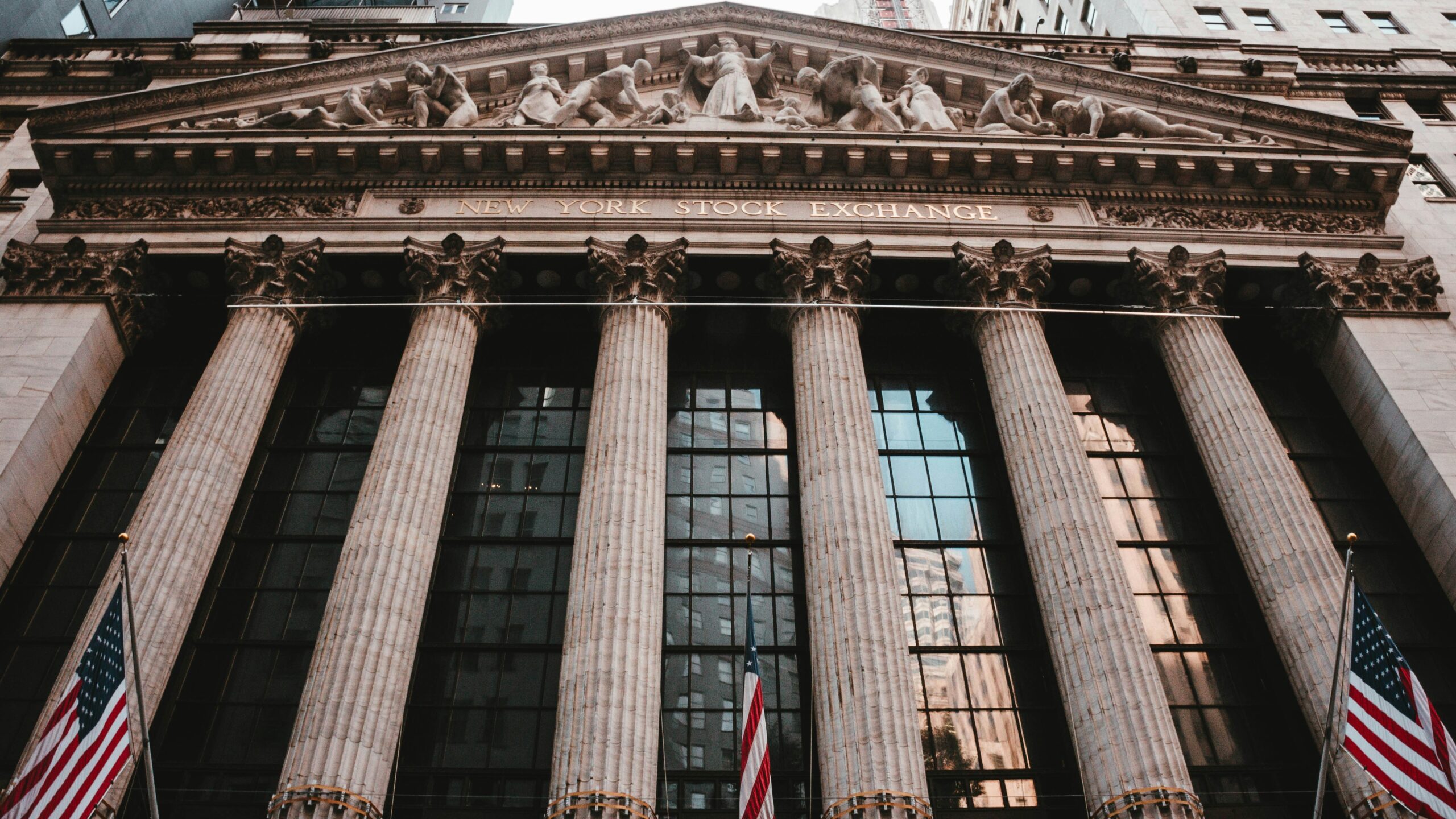
Wall Street’s latest bout of nerves did not begin with President Trump’s diplomatic fireworks or his surprise moves on Greenland. The groundwork for a more pessimistic view of U.S. equities was already in place, built on stretched valuations, fragile credit markets and a long expansion that looked increasingly tired. When foreign investors started to question the reliability of U.S. policy, they were reacting to a market that was already primed for bad news.
What has changed in recent weeks is that political drama has collided with those underlying vulnerabilities, turning a slow burn into visible volatility. The result is a market narrative in which Trump’s clashes with allies and trading partners are accelerants, not the original spark, for a bear case that had been quietly gaining adherents.
How the bear case took shape before the latest shock
Long before Trump’s latest confrontation with overseas partners, analysts were warning that U.S. stocks had less and less margin for error. I saw that argument coalesce around concerns that earnings growth was slowing while valuations stayed rich, leaving the market exposed if global demand or policy support wobbled. That is why some strategists argued that the case for a U.S. bear market was already forming even before Trump antagonized foreign investors and raised fresh questions about what his approach had done to the transatlantic relationship, a view laid out in detail by Jan.
Those structural worries were not limited to equities. In credit markets, investors had been fretting for years about liquidity and pricing power in more complex corners of the system. One influential commentary described primary markets as “becoming dysfunctional,” noting that Approximately $1.28B had priced over the YTD period ending in Februa, a figure used to illustrate how thin issuance and patchy demand were making it difficult to price the equity component of new deals. When funding channels look that fragile, it does not take much policy uncertainty to tip sentiment from cautious to outright bearish.
Trump’s Greenland saga as a volatility catalyst
Into that uneasy backdrop came Trump’s Greenland saga, a sequence of tariff threats, diplomatic brinkmanship and abrupt reversals that left investors scrambling to interpret the next move. The episode featured a flip-flop on tariffs that, combined with volatility in Japan’s bond market, sent U.S. stocks and bonds bouncing around as traders tried to gauge how far the White House might go. Market participants on Wall Street and in Japan alike were forced to price in the risk that the president’s tactics could spill over into broader financial instability.
The immediate market reaction captured how skittish conditions had become. On one Tuesday, the Dow Jones Industrial Average shed 871 points as investors tried to digest the possibility that Trump might use tariffs or other tools to force the U.S. acquisition of Greenland, only to see those losses narrow by the end of the week. By the closing bell on Friday, the Dow Jones Industrial, which on Tuesday shed 871 points, had fallen just 261 points for the week, a round trip that underscored how nervous investors were and how quickly sentiment could swing on a single presidential remark.
The “TACO” problem and credibility risk
One of the more telling developments from the Greenland episode was the way traders began to formalize their skepticism about Trump’s follow-through. The détente that emerged after his harshest threats were dialed back revived talk on Wall Street of the TACO, or “Trump Always Chickens Out,” a shorthand for the idea that the president often backs away from his most extreme positions at the last minute. The phrase, which entered Wall Street of lexicon, captures a deeper problem for markets: when policy threats are not credible, they still create volatility but offer little clarity about the eventual outcome.
That credibility gap matters because it shapes how foreign investors view U.S. assets. If overseas buyers come to believe that Trump’s most aggressive proposals are unlikely to be implemented, they may discount some headline risk, but they also have to live with a constant background of uncertainty. The case for a U.S. bear market was already building before Trump upset foreign investors, as another analysis of Markets argued, and the perception that the president might oscillate between confrontation and retreat only reinforces the sense that political risk is now a semi-permanent feature of U.S. investing.
Foreign investors, global rates and fragile sentiment
Foreign appetite for U.S. stocks and bonds does not move in isolation from the rest of the world. When Japan keeps its key interest rate unchanged and global yields remain low, U.S. assets can still look attractive on a relative basis, even amid political drama. On a recent trading day, The Dow Jones Industrial Average rose 0.6% and the Nasdaq composite gained 0.9% to 23,436.02 as traders reacted to central bank decisions and early signs of a potential trade deal, even though Details were sparse about what was to come, according to one account of Asian shares and U.S. futures.
Yet those modest gains sit alongside episodes of much sharper stress. Earlier selloffs, including one described as Stocks Log Worst Day Since 2020 as Selloff Reaches Fever Pitch The S&P 500 is now firmly in correction territory, showed how quickly sentiment can sour when investors focus on the consequences of President Trump’s sweeping tariff initiatives. That account of how Stocks reacted to trade policy underscored that foreign buyers are not just watching interest rates, they are also weighing the risk that tariffs and diplomatic rifts could erode corporate profits and global growth.
From quiet cracks to a louder bear narrative
What ties these threads together is the way a series of seemingly isolated developments have fed into a broader story about vulnerability. The dysfunction in primary credit markets, where Approximately $1.28B in YTD issuance by Februa was enough to raise alarms about liquidity, signaled that the financial plumbing was not as robust as headline equity indexes suggested. At the same time, the Greenland saga, the TACO shorthand and the swings of 871 points and 261 points in the Dow Jones Industrial Average highlighted how Trump’s style of brinkmanship can turn those underlying cracks into visible fractures when confidence is already thin.
For individual investors, the lesson is not that every tweet or tariff threat will trigger a crash, but that political shocks now land in a market that has far less cushion than in earlier phases of the cycle. Important as day to day moves may feel, the more consequential shift is the way professional money managers are reframing risk, paying closer attention to policy credibility, cross border relationships and the durability of earnings. As of the latest check on one recent trading day, analysts were reminding clients that Market data changes all the time and urging them to consult financial platforms like Yahoo Finance and MarketWatch when evaluating quieter names such as Sunstone Hotel Investors, a point made in a note on Sunstone that applies just as much to the broader market.
In that sense, Trump’s clashes with foreign investors are best understood as the latest chapter in a longer story rather than its opening scene. The bear case for U.S. equities was already being written in slowing growth, fragile credit and a long running expansion. What the president’s Greenland maneuvers and tariff feints have done is to amplify those concerns, turning what had been a quiet debate among strategists into a more urgent question for anyone with money in the market.
More From TheDailyOverview
*This article was researched with the help of AI, with human editors creating the final content.

Grant Mercer covers market dynamics, business trends, and the economic forces driving growth across industries. His analysis connects macro movements with real-world implications for investors, entrepreneurs, and professionals. Through his work at The Daily Overview, Grant helps readers understand how markets function and where opportunities may emerge.

