
Investors seeking decades of passive income may find a promising option in index funds, which have been highlighted in recent reports from sources like The Motley Fool and The Globe and Mail. These articles emphasize the potential for long-term financial growth by purchasing and holding index funds indefinitely. The strategy of investing in index funds is lauded for its simplicity and effectiveness in generating steady returns over time.
Understanding Index Funds for Passive Income

An index fund is a type of mutual fund or exchange-traded fund (ETF) designed to replicate the performance of a specific index, such as the S&P 500. These funds operate as passive investment vehicles, meaning they are managed with the goal of mirroring the index rather than outperforming it. This approach minimizes management costs and reduces the need for frequent trading, making index funds a cost-effective option for investors seeking passive income. According to AOL, the simplicity and low cost of index funds make them an attractive choice for long-term investors.
The historical performance of index funds has been robust, providing steady returns over time. As noted by The Globe and Mail, these funds have consistently delivered returns that match the overall market, making them a reliable option for those looking to build wealth over the long term. By investing in a broad market index, investors can benefit from the overall growth of the economy, which historically has trended upwards over extended periods.
In addition to their cost-effectiveness, index funds offer a level of diversification that is difficult to achieve with individual stock investments. By investing in a wide array of companies within an index, investors can mitigate the risks associated with the poor performance of any single company. This diversification is particularly beneficial during periods of market volatility, as it helps stabilize returns and protect the investor’s portfolio from significant losses. Furthermore, the passive management style of index funds means that investors are less likely to make impulsive decisions based on short-term market fluctuations, which can often lead to suboptimal investment outcomes.
Key Index Funds to Consider

When considering which index funds to invest in for long-term income, certain funds stand out due to their performance and reliability. According to 24/7 Wall St., funds like FDVV, SCHD, and JEPI are recommended for their potential to provide a lifetime of passive income. These funds are known for their strong dividend yields and solid track records, making them appealing choices for income-focused investors.
When selecting an index fund, investors should consider several criteria, including expense ratios and dividend yields. As highlighted by AOL, lower expense ratios mean more of the investor’s money is working for them, while higher dividend yields can provide a steady stream of income. These factors, combined with the fund’s historical performance and the investor’s financial goals, should guide the selection process.
Another important consideration when choosing index funds is the fund’s underlying index. Different indices focus on various sectors or market segments, which can influence the fund’s performance and risk profile. For example, funds tracking the S&P 500 provide exposure to large-cap U.S. companies, while those tracking the Russell 2000 focus on smaller, potentially higher-growth companies. Investors should align their choice of index with their investment objectives and risk tolerance. Additionally, some funds may offer international exposure, allowing investors to diversify beyond domestic markets and potentially benefit from growth in emerging economies.
Long-Term Benefits of Holding Index Funds
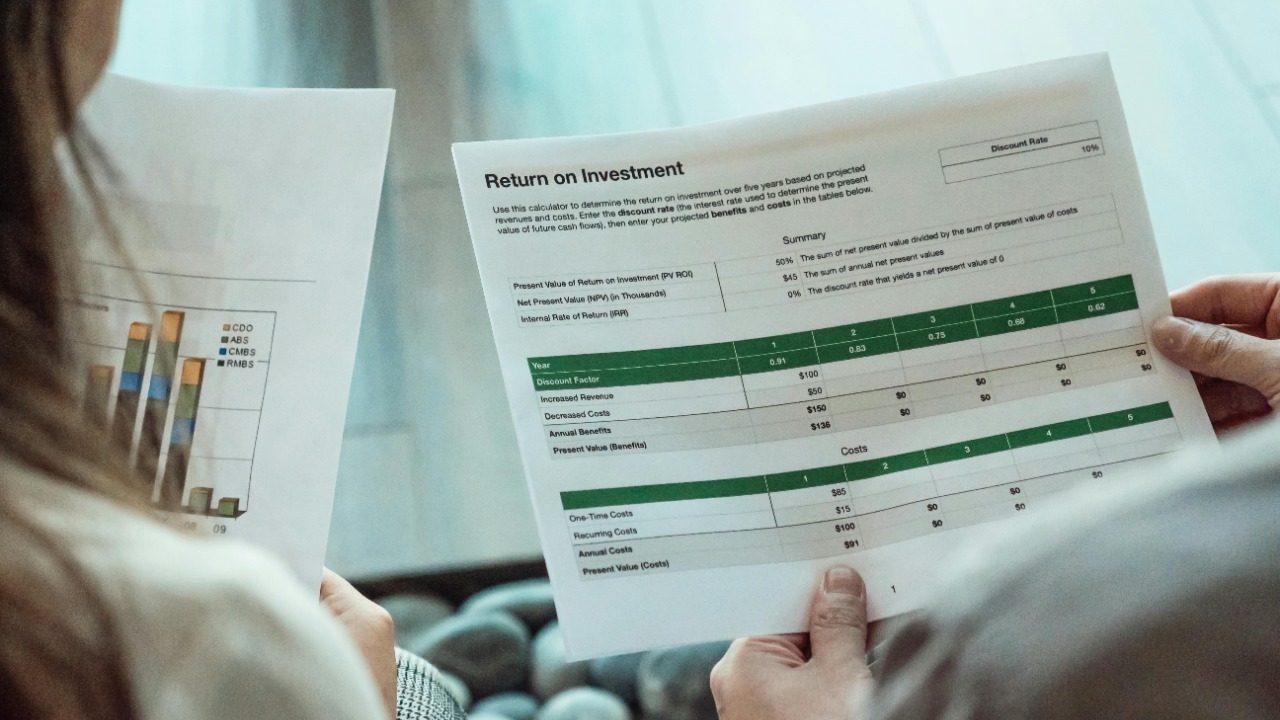
The concept of compound growth is a key advantage of holding index funds over the long term. As explained by The Motley Fool, compound growth allows investors to earn returns not only on their initial investment but also on the accumulated returns from previous years. This exponential growth can significantly enhance the value of an investment portfolio over time, making index funds a powerful tool for building wealth.
Holding index funds can also lead to financial security in retirement. By consistently investing in these funds and allowing them to grow over decades, investors can build a substantial nest egg that provides a reliable income stream in their later years. AOL provides examples of how this strategy can lead to a comfortable retirement, highlighting the importance of starting early and maintaining a disciplined investment approach.
Moreover, index funds are an excellent tool for investors who wish to adopt a hands-off approach to investing. The automatic reinvestment of dividends offered by many index funds can further enhance the compounding effect, as dividends are used to purchase additional shares, increasing the investor’s stake in the fund over time. This reinvestment strategy can significantly boost the overall returns of an investment portfolio, particularly over long periods. As highlighted by Yahoo Finance, the power of compounding, combined with the low costs and diversification benefits of index funds, makes them an ideal choice for investors seeking to build wealth steadily and securely.
Comparing Index Funds with Other Investment Options

When compared to individual stocks, index funds offer reduced risk and volatility. As noted by The Globe and Mail, investing in a broad market index reduces the impact of any single stock’s poor performance on the overall portfolio. This diversification makes index funds a safer choice for investors who prefer a more stable investment experience.
There are also advantages and disadvantages to consider when comparing ETFs and index funds for passive income. According to 24/7 Wall St., ETFs offer more flexibility in trading, as they can be bought and sold throughout the trading day, unlike mutual funds, which are priced at the end of the day. However, mutual funds may offer lower expense ratios and better dividend reinvestment options, making them a suitable choice for some investors.
In contrast to actively managed funds, which often attempt to outperform the market through frequent trading and strategic stock selection, index funds maintain a consistent investment strategy that aligns with the performance of their benchmark index. This approach not only reduces costs but also minimizes the risk of human error and biases that can negatively impact investment returns. Additionally, the transparency of index funds, which regularly disclose their holdings, allows investors to clearly understand where their money is invested. This transparency, combined with the lower fees and reduced risk, makes index funds an attractive alternative to actively managed funds for many investors.
Steps to Start Investing in Index Funds

To begin investing in index funds, investors should first select a fund that aligns with their financial goals and risk tolerance. As outlined by The Motley Fool, this involves researching various funds, comparing their performance, and considering factors such as expense ratios and dividend yields. Once a suitable fund is chosen, investors can purchase shares through a brokerage account, which can be set up online with relative ease.
Setting up automatic contributions is a crucial step in maximizing the long-term growth potential of an index fund investment. By regularly investing a fixed amount, investors can take advantage of dollar-cost averaging, which reduces the impact of market volatility on their portfolio. AOL suggests that this disciplined approach can help investors stay committed to their financial goals and build substantial wealth over time.

Cole Whitaker focuses on the fundamentals of money management, helping readers make smarter decisions around income, spending, saving, and long-term financial stability. His writing emphasizes clarity, discipline, and practical systems that work in real life. At The Daily Overview, Cole breaks down personal finance topics into straightforward guidance readers can apply immediately.
