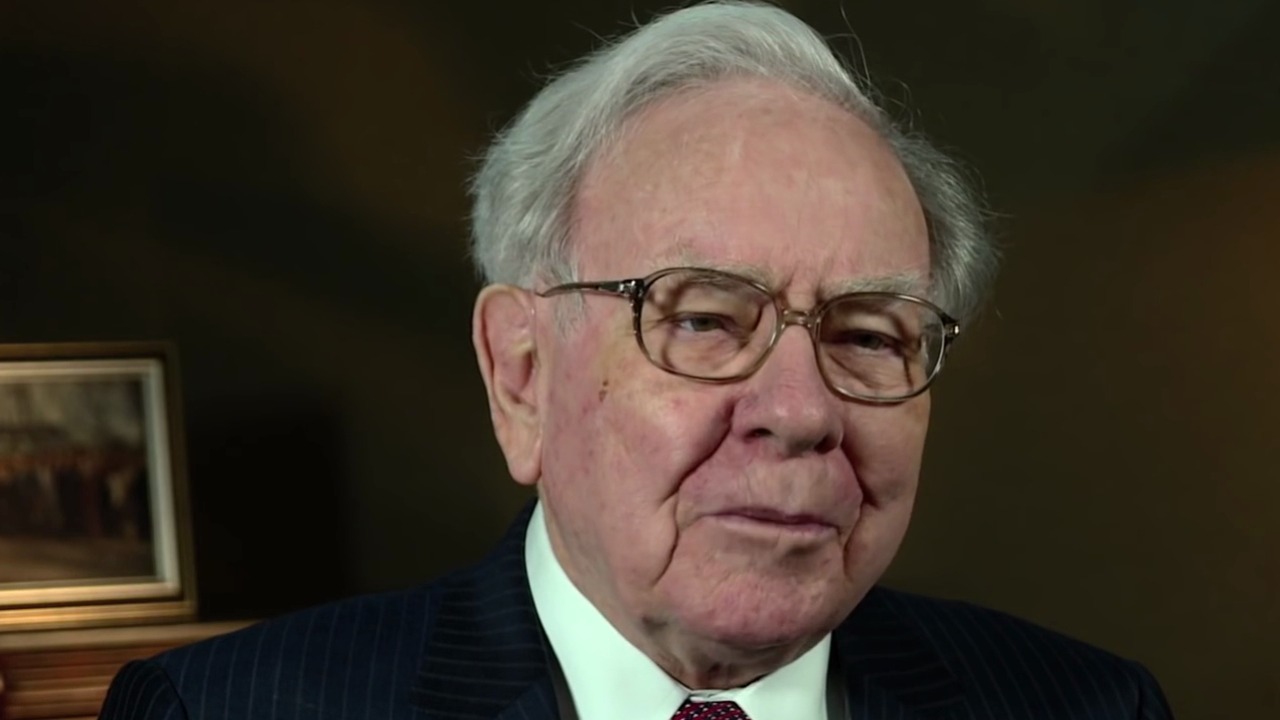
Warren Buffett, the legendary investor and CEO of Berkshire Hathaway, has consistently criticized gold as an unproductive asset. In a recent master class, Buffett emphasized gold’s lack of intrinsic value compared to businesses that generate earnings. This perspective ties into his broader warnings on inflation’s role in gold pricing, as explored in a 2021 analysis linking Buffett’s views to rising gold prices amid economic uncertainty. Additionally, Buffett’s investment philosophy during market volatility underscores his preference for tangible, productive investments over speculative ones like gold.
Buffett’s Core Critique of Gold as an Investment
Warren Buffett has long argued that gold is an idle asset, producing neither income nor utility. He often likens gold to a “pet rock,” emphasizing that its value relies solely on the hope that others will pay more for it in the future. This analogy highlights the speculative nature of gold, contrasting sharply with investments in stocks or farms that generate dividends and growth. In his writings, Buffett frequently contrasts gold’s zero yield with the tangible returns from productive assets, reinforcing his stance in a recent master class.
Buffett’s critique extends to the emotional drivers behind gold’s value. He argues that fear, rather than fundamentals, often drives gold prices. This perspective is evident in his historical letters to shareholders, where he underscores that gold’s allure is more about psychological comfort than economic rationale. By focusing on productive investments, Buffett believes investors can achieve more reliable and substantial returns.
The Role of Inflation in Gold’s Appeal and Buffett’s Rebuttal
Inflation is often cited as a reason to invest in gold, with many viewing it as a hedge against rising prices. However, Buffett contends that while inflation may temporarily boost gold prices, it does not make gold a reliable long-term hedge. In a 2021 discussion, he highlighted that gold’s performance during inflationary periods often lags behind that of productive assets.
Buffett’s investment strategy focuses on companies that can pass on inflation costs to consumers, thereby maintaining their profitability. This approach contrasts with gold’s passive nature, which does not generate earnings or adapt to economic changes. By investing in businesses with strong fundamentals, Buffett believes investors can better navigate inflationary environments and achieve sustainable growth.
Gold Versus Productive Assets in Buffett’s Portfolio Philosophy
Buffett’s preference for productive assets is evident in his investment choices, such as Coca-Cola and Apple. These companies compound value over time, providing returns through dividends and growth. In contrast, gold incurs storage costs and lacks earnings potential, making it less attractive in Buffett’s eyes. This philosophy is central to his critique of gold.
Berkshire Hathaway’s holdings illustrate how reinvested earnings create wealth, unlike gold’s static nature. Buffett often addresses misconceptions about gold as a safe haven, pointing to data where equities have outperformed gold in various scenarios. By focusing on productive assets, Buffett aims to build a portfolio that delivers consistent and compounding returns.
Applying Buffett’s Lessons During Market Crashes
During market crashes, Buffett advises against panic selling of non-productive assets like gold. His 2025 masterclass outlines seven steps to investment success, emphasizing the importance of maintaining a long-term perspective. He argues that crash periods amplify gold’s volatility without offering real protection.
Buffett’s strategy during downturns focuses on buying quality assets at discounted prices, rather than seeking refuge in gold. By maintaining a long-term view, investors can capitalize on market opportunities and avoid the pitfalls of speculative investments. This approach aligns with his broader investment philosophy, which prioritizes sustainable growth over short-term gains.

Cole Whitaker focuses on the fundamentals of money management, helping readers make smarter decisions around income, spending, saving, and long-term financial stability. His writing emphasizes clarity, discipline, and practical systems that work in real life. At The Daily Overview, Cole breaks down personal finance topics into straightforward guidance readers can apply immediately.

