
Warren Buffett, widely regarded as one of the most successful investors of all time, has issued a stark warning about the potential dangers of an escalating trade war. As global tensions rise, Buffett’s insights carry significant weight, urging policymakers and investors to consider the long-term impacts of such economic conflicts.
The Impact of Trade Wars on Global Economies

Trade wars have historically led to significant disruptions in global economies. The Smoot-Hawley Tariff Act of 1930, for instance, exacerbated the Great Depression by triggering retaliatory tariffs, leading to a drastic reduction in international trade. The lessons from the past reveal that trade conflicts often result in economic contractions, affecting not just the countries involved but also the global economy at large.
In the current climate, the trade tensions between major economies like the U.S. and China are particularly concerning. These two powerhouses account for a significant portion of global trade, and their ongoing disputes have already shown signs of impacting economic growth. The imposition of tariffs has increased production costs and led to higher consumer prices, contributing to inflationary pressures worldwide. If these tensions continue to escalate, the long-term effects could include slowed global economic growth and reduced stability in international markets.
Warren Buffett’s Perspective on Tariffs
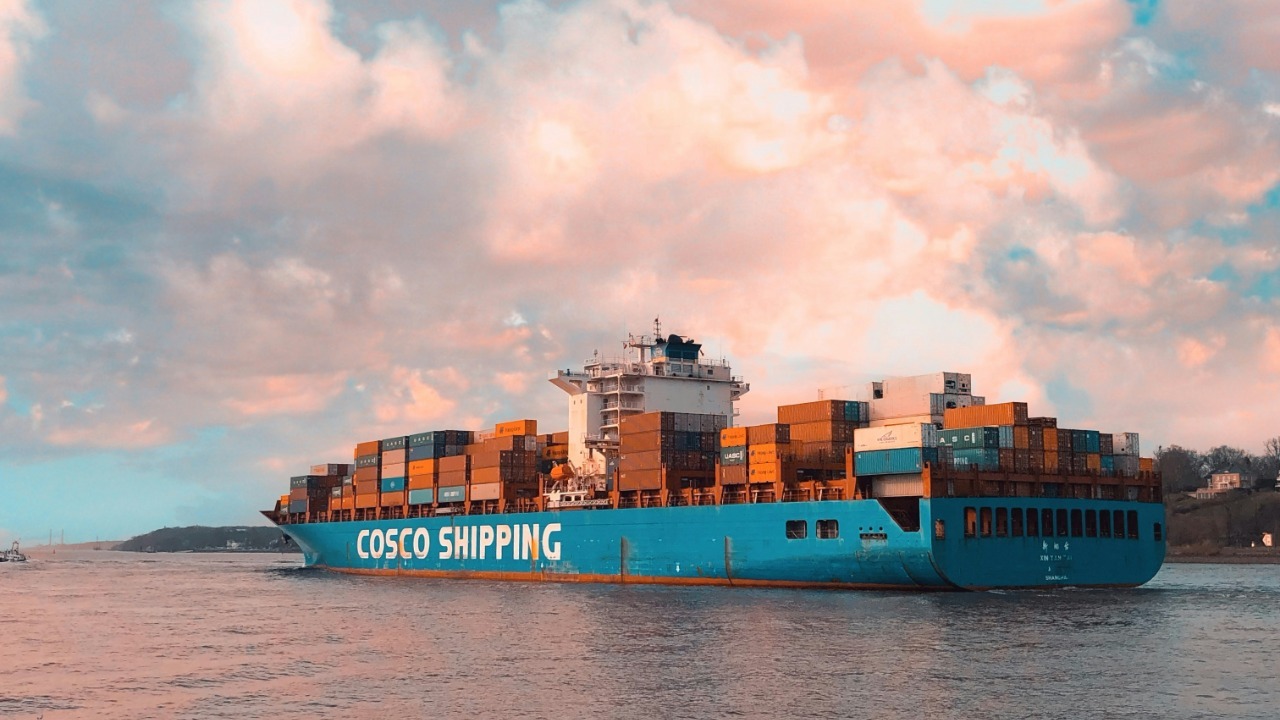
Warren Buffett has long voiced his views on the use of tariffs as an economic policy tool. According to Buffett, tariffs are often a double-edged sword. While they can protect domestic industries in the short term, they tend to lead to higher prices for consumers and can disrupt business operations. For instance, American car manufacturers have faced increased costs for imported steel and aluminum due to tariffs, making vehicles more expensive for consumers.
Buffett argues that tariffs are less effective compared to other economic policies that focus on fostering growth and innovation. He likens the impact of tariffs to a tax on consumers, as businesses typically pass on the added costs to customers. This perspective aligns with his broader view that economic policies should aim to enhance competitiveness rather than create barriers. As highlighted in a Yahoo Finance discussion, Buffett emphasizes the limitations of tariffs in achieving sustainable economic growth.
Investment Strategies in Times of Trade Uncertainty

During periods of trade uncertainty, Warren Buffett advises investors to adopt strategies that prioritize long-term stability over short-term gains. One of his core recommendations is diversification. By spreading investments across various sectors and geographies, investors can mitigate risks associated with trade disruptions. For example, industries like technology and healthcare might be more resilient to trade-related shocks compared to manufacturing sectors heavily reliant on international supply chains.
Buffett also stresses the importance of maintaining a long-term perspective. Market volatility during trade wars can lead to panic selling, but Buffett advocates for patience and value investing. He often highlights companies with strong fundamentals and competitive advantages as ideal choices during uncertain times. According to his investment philosophy, these companies are more likely to weather economic storms and provide steady returns. As discussed in the book “How to Think Like Warren Buffett”, adopting a long-term mindset is crucial for navigating trade-related market fluctuations.
The Role of Government and Policy Makers
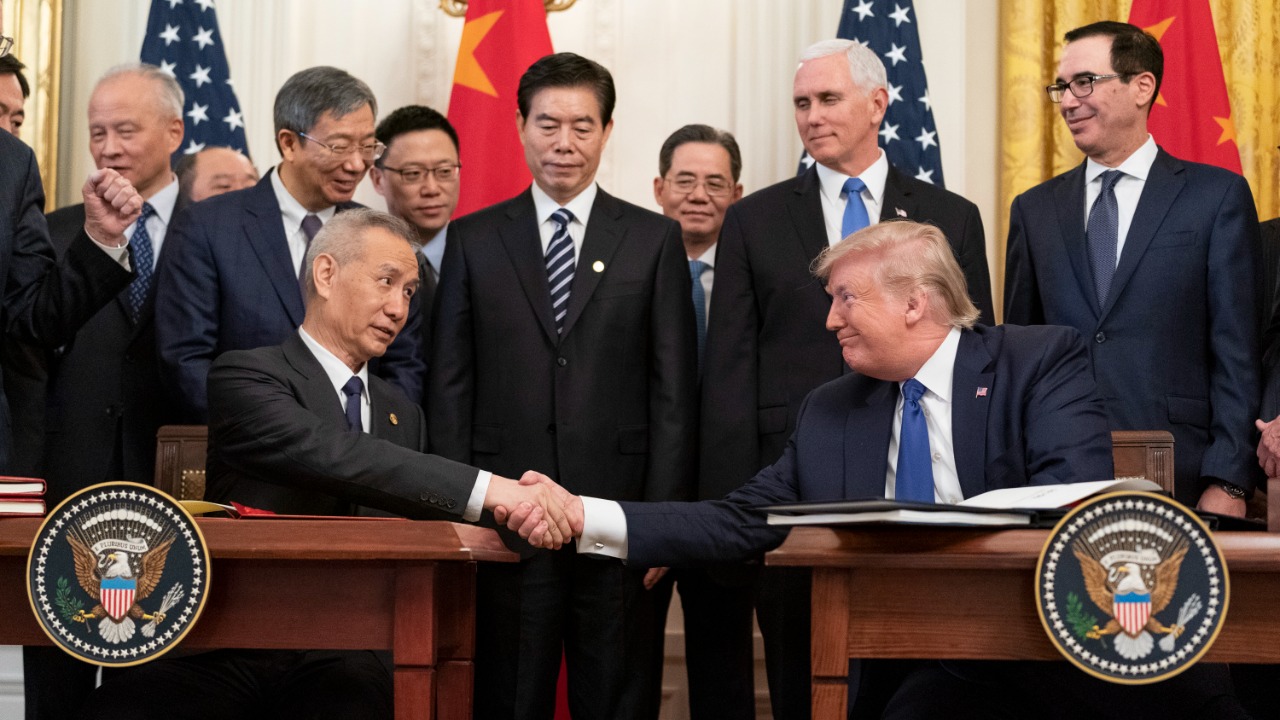
Warren Buffett has consistently called for government leaders to pursue diplomatic solutions in resolving trade disputes. He believes that international cooperation is essential to maintaining economic stability. By engaging in constructive dialogue, countries can address trade imbalances without resorting to protectionist measures that harm global commerce. In a recent interview, Buffett underscored the importance of diplomacy in preventing the detrimental effects of prolonged trade conflicts.
Effective policy-making requires a balanced approach that considers the interests of both domestic industries and international partners. Policymakers should aim to create an environment conducive to trade while protecting national economic interests. Potential measures could include reducing regulatory barriers, encouraging innovation, and investing in workforce development to enhance competitiveness. Such strategies not only help ease trade-related economic pressures but also foster a more resilient global economy.
Lessons from Buffett’s Investment Philosophy
Warren Buffett’s investment philosophy offers valuable lessons for navigating the complexities of trade wars. Central to his approach is the principle of value investing, which involves identifying undervalued companies with strong growth potential. This strategy is particularly relevant during trade conflicts, as market volatility can create opportunities to acquire high-quality assets at attractive prices. Buffett’s focus on intrinsic value and long-term prospects helps investors stay grounded amidst short-term market fluctuations.
Another key aspect of Buffett’s philosophy is patience. In uncertain economic climates, it can be tempting to react impulsively to market movements. However, Buffett advocates for a disciplined approach, emphasizing the importance of holding onto investments for the long haul. By prioritizing companies with enduring competitive advantages, investors can build a robust portfolio capable of withstanding trade-induced market disruptions. For both individual and institutional investors, adopting Buffett’s principles can provide a roadmap for success in an increasingly interconnected and unpredictable global economy.

Grant Mercer covers market dynamics, business trends, and the economic forces driving growth across industries. His analysis connects macro movements with real-world implications for investors, entrepreneurs, and professionals. Through his work at The Daily Overview, Grant helps readers understand how markets function and where opportunities may emerge.

