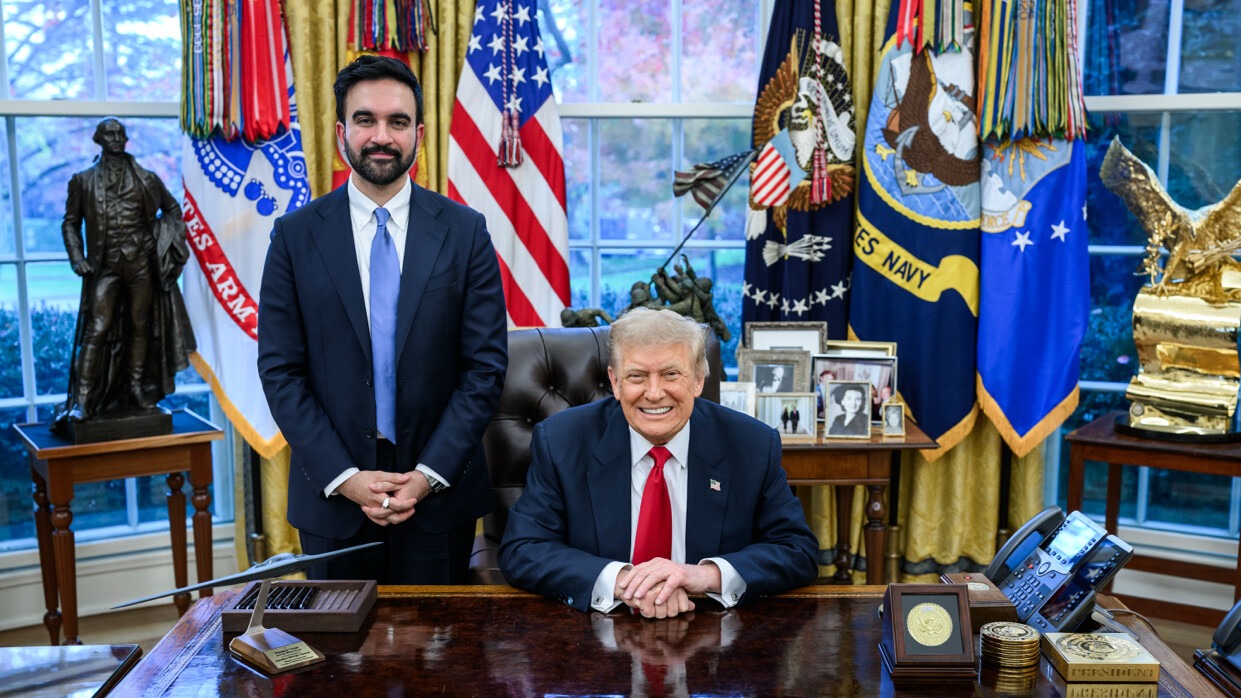
President Donald Trump’s latest move on student loans pauses some of the harshest collection tools just as younger voters are voicing anger over affordability. A prominent watchdog has branded the maneuver “beyond ridiculous,” arguing that the temporary freeze is less a coherent policy than a political gambit aimed at Gen Z borrowers.
The clash over the new pause highlights a deeper fight about who should decide the future of the student loan system and whether the White House is recycling tactics that critics associate with the Biden era. I see a policy that offers short term relief while leaving the hardest questions about cost, fairness and congressional authority for another day.
The new pause and why a watchdog is furious
Trump has been working to show that he hears voter anxiety about rent, groceries and tuition, and student debt has become a central part of that affordability story. Reporting on his outreach describes how Trump has been in close contact with advisers about how to blunt anger from younger voters who feel locked out of homeownership and weighed down by monthly payments. The new freeze on certain student loan collections is pitched as proof that he is willing to act quickly while Congress remains gridlocked.
Yet a key watchdog focused on federal spending and legal authority has blasted the move as an incoherent “political giveaway” that borrows directly from the playbook used during the Biden administration. In that critique, the pause is framed as a short term favor to Gen Z that does not fix the underlying repayment system and may not rest on solid statutory footing. One detailed analysis describes the initiative as “straight out of Biden’s playbook,” a phrase that appears in coverage of how watchdog groups see the legal and political risks.
What exactly the Trump administration is freezing
At the heart of the policy is a decision by the Trump administration to halt a planned expansion of aggressive collection tactics against borrowers in default. Officials have moved to delay a program that would have allowed the government to automatically withhold part of a worker’s paycheck when they fall behind on federal student loans, a process known as wage garnishment. Coverage of the shift explains that the Trump Administration Delays on Student Loan Defaults while it reassesses how the system treats struggling borrowers.
Officials have also paused a related plan to more broadly withhold wages from borrowers in default, a move that would have hit people who were already behind and often confused by a maze of repayment options. In public statements, the administration has said it wants “more clear and affordable options” before letting the government reach directly into paychecks. One detailed account notes that the plan to withhold has been put on hold while agencies review how defaults are handled.
Gen Z politics and the “bone” Trump is throwing
The political subtext is impossible to miss. Younger voters, especially Gen Z, have been vocal about student debt as a barrier to starting families, buying homes and building savings, and Trump’s team appears keenly aware of that frustration. Reporting on the internal strategy describes how Trump has been scrambling to address “affordability” as a campaign liability, with student loans at the center of that effort.
In that context, the freeze functions as a symbolic gesture as much as a policy change, a way to show that the president is siding with borrowers against faceless collection agencies. One account of the move characterizes it as Trump “throwing a bone” to Gen Z on student debt, a phrase that appears in coverage of how Gen Z voters are being courted. I see a White House trying to buy time with a demographic that has grown skeptical of both parties’ promises on higher education.
A pause that looks a lot like Biden’s playbook
What has particularly enraged the watchdog community is how familiar this all feels. During the Biden administration, sweeping pauses on student loan payments and interest became a defining feature of pandemic era policy, and critics argued that those moves stretched executive authority and sidestepped Congress. Now some of the same voices are accusing Trump of copying that approach, only with a narrower focus on collections rather than across the board payment relief. One detailed critique describes the new pause as an “incoherent political giveaway” that is “straight out of Biden’s playbook,” language that appears in an analysis of how Congress’s role is being sidelined.
Supporters of the pause counter that the administration is not erasing debt or rewriting statutes, only pausing the harshest tools while it reviews a system that has left millions confused and behind. They argue that borrowers need breathing room as interest rates and inflation squeeze household budgets, a point echoed in coverage that describes the current move as a “new pause” built on an “old playbook” of executive action on interest rates and inflation. I read the clash less as a legal debate than as a fight over who gets credit for helping borrowers and who gets blamed if the courts step in again.
How many borrowers are at risk and what comes next
Behind the legal and political theater is a stark reality: a significant slice of the student loan portfolio is already in trouble. Nearly 10% of borrowers were delinquent by more than 90 days in the third quarter of 2025, according to data from the Federal Rese, a reminder that defaults are not a hypothetical risk but a present crisis. For those borrowers, wage garnishment is not an abstract policy tool, it is the difference between making rent and falling further behind.
The administration has signaled that it wants to pair the freeze with a broader overhaul of repayment options, including income based plans that adjust monthly bills based on what a borrower actually earns. Coverage of the delay notes that officials are reviewing how to make options more “clear and affordable” before restarting collections, a point that appears in reporting from WASHINGTON about how The Trump team is recalibrating. Whether that review produces lasting reform or simply another extension of temporary relief will determine if the watchdog’s “beyond ridiculous” label sticks.
More From TheDailyOverview

Silas Redman writes about the structure of modern banking, financial regulations, and the rules that govern money movement. His work examines how institutions, policies, and compliance frameworks affect individuals and businesses alike. At The Daily Overview, Silas aims to help readers better understand the systems operating behind everyday financial decisions.

