
As the world evolves, so do our perceptions of wealth. For many Americans, traditional financial metrics are no longer the sole indicators of true wealth. From personal health to the environment, the concept of wealth now encompasses a broader range of elements that contribute to a fulfilling life.
Financial Independence
Financial independence remains a cornerstone of how many Americans define true wealth. It’s about having the freedom to make choices without being constrained by financial obligations. For some, this means achieving financial milestones like paying off a mortgage early or having a well-funded retirement account. The ability to enjoy life without financial stress is a key component of wealth.
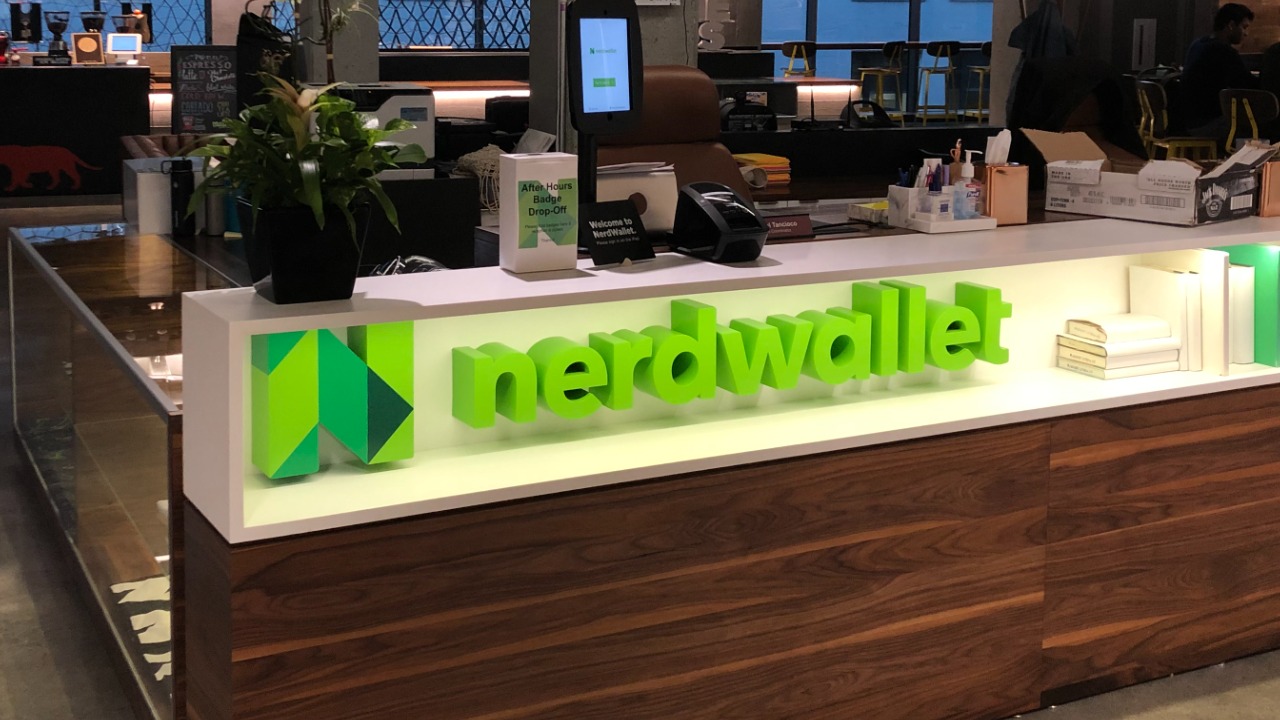
Tools like budgeting apps and financial planners have made it easier for people to track expenses and save money. For example, using a platform like NerdWallet can help individuals manage their finances effectively, contributing to a sense of financial security and independence.
Health and Well-being

Good health is increasingly seen as a vital aspect of wealth. Many Americans prioritize their physical and mental well-being over material possessions. With the rise of wellness trends and holistic health approaches, people are investing more time and resources in maintaining a healthy lifestyle.
Access to quality healthcare and the ability to enjoy an active lifestyle are often viewed as true indicators of wealth. Whether it’s through regular exercise, a balanced diet, or mental health support, prioritizing health is a growing trend among those seeking to define their own wealth.
Work-Life Balance

A balanced life is a rich life. The pursuit of work-life balance has become a major factor in how people measure wealth. The flexibility to work from home or set personalized work hours allows individuals to spend more quality time with family and pursue personal interests.
Employers are increasingly recognizing the importance of this balance, offering benefits like remote work options and flexible schedules. Companies that support work-life balance can enhance employee satisfaction, which is often equated with wealth in the modern age.
Time Freedom

Having control over one’s time is a luxury many equate with true wealth. The ability to choose how to spend your time, whether it’s traveling, pursuing hobbies, or spending time with loved ones, is becoming an essential part of the wealth equation.
Time freedom allows for a deeper engagement with life and personal interests. People who have flexible schedules or are able to retire early often feel wealthier because they can prioritize experiences over earnings. This shift reflects a growing appreciation for the non-material aspects of wealth.
Meaningful Relationships

Strong, meaningful relationships are often cited as a source of true wealth. Friends and family provide emotional support and a sense of belonging that money can’t buy. Deep connections contribute to a person’s overall happiness and satisfaction, which many consider a crucial part of being wealthy.
Investing time in nurturing these relationships can lead to a more enriched life. Whether it’s through family gatherings, friendships, or community involvement, having a network of supportive people is invaluable.
Personal Growth and Learning

Personal development and continuous learning are increasingly seen as forms of wealth. The ability to expand one’s knowledge and skills not only enhances career prospects but also enriches personal life. This includes pursuing higher education, attending workshops, or simply reading books.
Many individuals find wealth in the freedom to explore new passions and challenges. The quest for self-improvement and lifelong learning reflects a desire to grow, which is a significant aspect of what many define as true wealth today.
Environmental Stewardship

Caring for the environment is becoming a key component of how people perceive wealth. Many Americans view environmental responsibility as essential to ensuring a sustainable future for themselves and the planet.
From reducing carbon footprints to supporting sustainable brands, the emphasis on environmental stewardship represents a broader understanding of wealth. People are recognizing that a healthy planet contributes to their own well-being and prosperity.
Community Engagement

Being actively involved in one’s community is another way people define wealth. Contributing time and resources to local initiatives or volunteering for causes they care about can provide a sense of purpose and fulfillment.
Community engagement helps build stronger, more resilient communities, and those who participate often feel a deeper connection to those around them. It’s a wealth that enriches both the individual and the collective.
Experiential Living

Experiences over possessions is a growing trend among those redefining wealth. Many people now value creating memories through travel, cultural experiences, and personal adventures over acquiring material goods.
Whether it’s a backpacking trip through Europe or a cooking class in your hometown, these experiences contribute to a richer, more fulfilling life. The focus on experiential living underscores a shift towards valuing moments and memories as true indicators of wealth.

Cole Whitaker focuses on the fundamentals of money management, helping readers make smarter decisions around income, spending, saving, and long-term financial stability. His writing emphasizes clarity, discipline, and practical systems that work in real life. At The Daily Overview, Cole breaks down personal finance topics into straightforward guidance readers can apply immediately.
