
With rising food costs, it’s more important than ever to find strategies to stretch your dollar further when grocery shopping. Reducing your grocery bill by half may seem challenging, but with some practical strategies, it can be achieved. Here are eleven methods to help you save money while still enjoying nutritious and delicious meals.
1. Plan Your Meals in Advance

Meal planning is a powerful tool in reducing grocery costs. By outlining meals for the week, I can create a focused shopping list that helps avoid unnecessary purchases. This strategy also minimizes food waste as I only buy what I need. Additionally, I can plan meals around items I already have at home, which further cuts down on costs.
Using apps like Mealime or Paprika can simplify the meal planning process by suggesting recipes based on my preferences and what’s on sale. This way, I maximize my savings and enjoy diverse meals throughout the week.
2. Embrace Bulk Buying
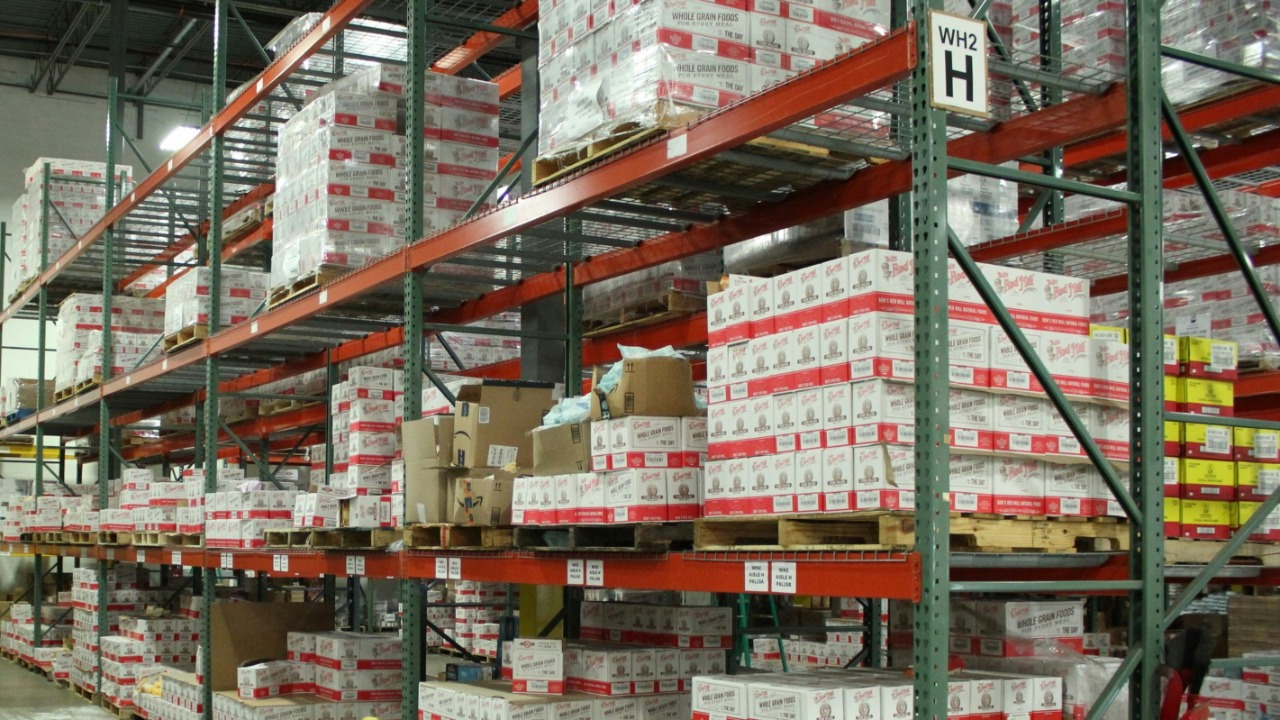
Purchasing items in bulk often results in significant savings per unit. Staples like rice, pasta, and canned goods are perfect candidates for bulk buying. I find that using warehouse clubs like Costco or Sam’s Club can provide great deals on these items. It’s essential to ensure I have proper storage to maintain freshness and quality.
Moreover, joining bulk-buying groups with friends or family allows me to split large purchases, saving money while still enjoying the benefits of buying in bulk.
3. Utilize Coupons and Discounts

Coupons and discounts are a direct way to reduce grocery expenses. Websites like Coupons.com or apps like Ibotta offer digital coupons for everyday items. I make sure to check weekly flyers from my favorite stores to spot discounts and stack them with coupons for extra savings.
According to a study, consumers who use coupons effectively can save a significant percentage on their grocery bills, making it a worthwhile effort.
4. Opt for Store Brands

Store brands offer a cost-effective alternative to name-brand products, often with comparable quality. I frequently choose store-brand items for pantry staples, dairy, and cleaning supplies, which helps reduce my overall grocery bill. Many stores offer satisfaction guarantees, so trying store brands is virtually risk-free.
Switching to store brands can result in savings of up to 30% on certain items. This small change adds up over time, contributing to substantial savings throughout the year.
5. Cook at Home More Often

Dining out or ordering takeout can quickly drain a food budget. By cooking at home, I have more control over ingredients and portion sizes, which can lead to healthier meals and savings. Preparing meals from scratch using simple, wholesome ingredients often costs less than pre-made or restaurant meals.
Exploring new recipes and cooking techniques can make home-cooked meals exciting and varied, ensuring that I enjoy the process and the results.
6. Grow Your Own Produce
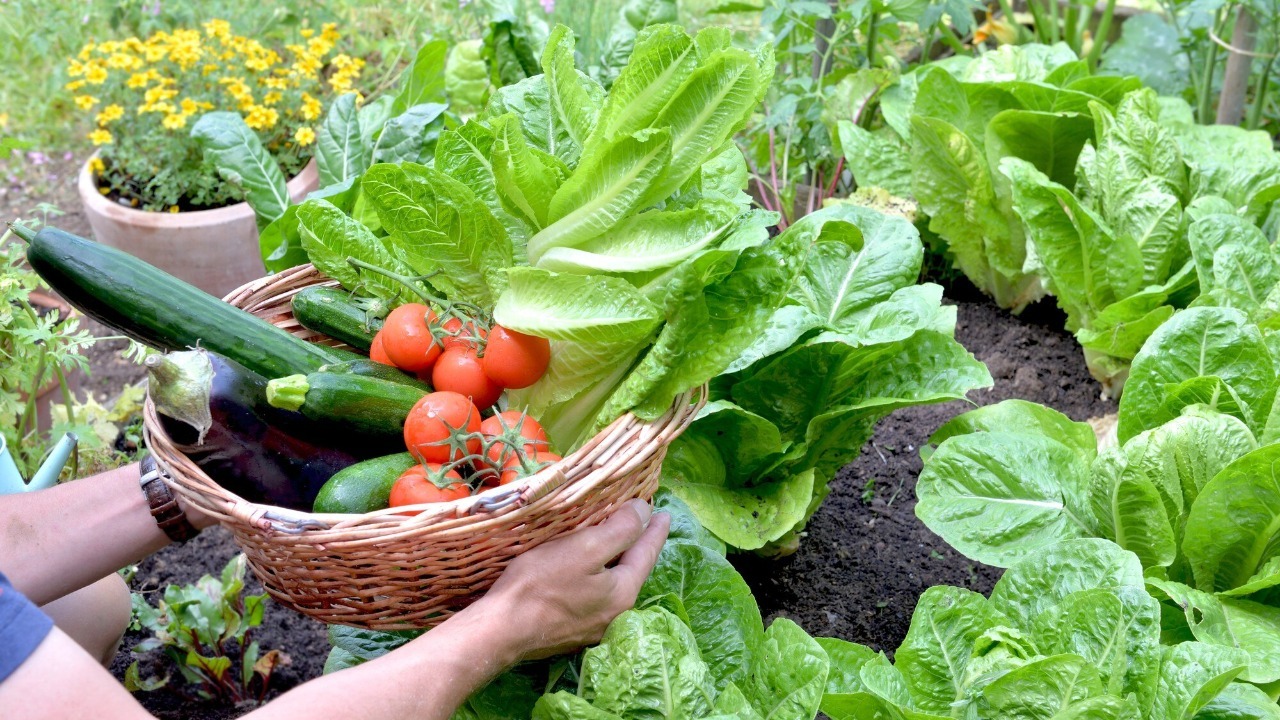
Starting a small garden allows me to grow fresh fruits and vegetables, reducing my reliance on store-bought produce. Whether it’s a windowsill herb garden or a backyard vegetable patch, growing my own food saves money and ensures a supply of fresh, organic produce.
For those with limited space, community gardens or container gardening can be excellent alternatives. Resources like The Everymom offer tips on starting a garden to help cut grocery costs.
7. Avoid Pre-Packaged Items
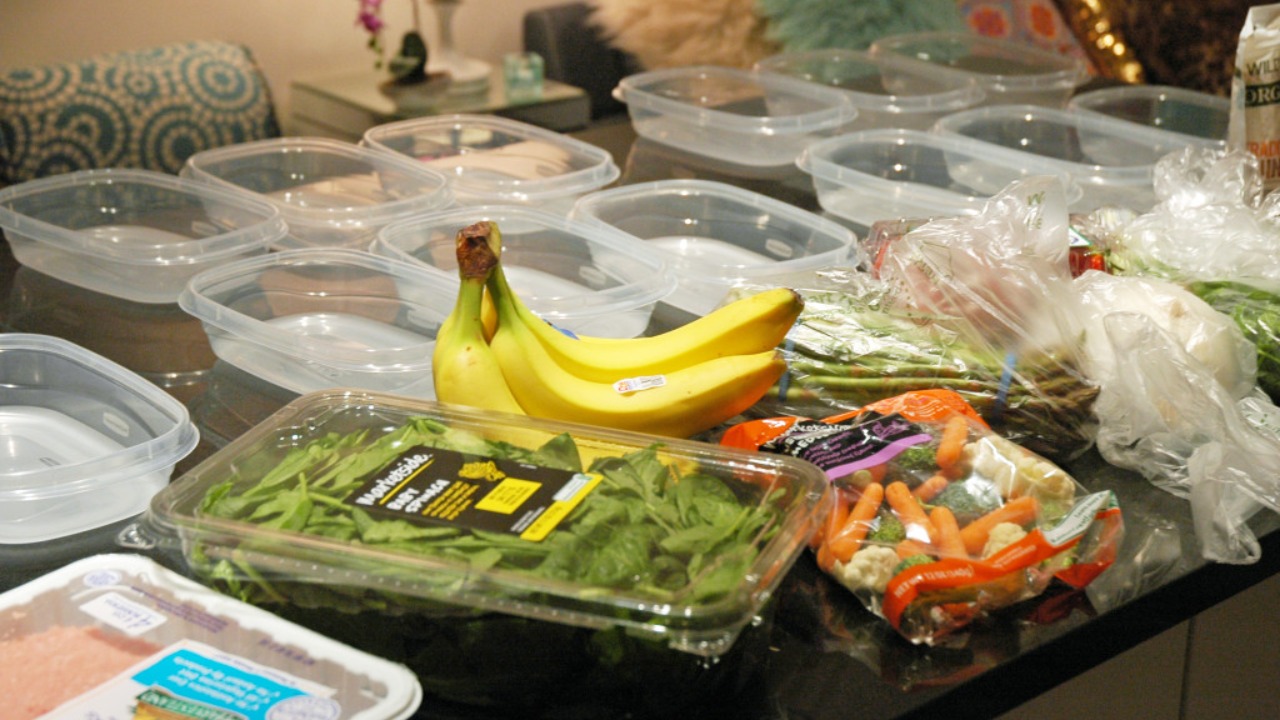
Pre-packaged and convenience foods often come with a premium price. By purchasing whole ingredients and prepping them at home, I save money while also reducing food additives and preservatives. For example, buying a whole chicken and cutting it myself is more economical than purchasing pre-cut pieces.
Simple meal prep, such as washing and chopping vegetables in advance, makes cooking from scratch more manageable during the week.
8. Shop with a List

Going to the store with a well-thought-out list helps me stay focused and avoid impulse purchases. I review my pantry and fridge before making a list to ensure I only buy what I need. This method also helps prevent duplicate purchases, which can lead to waste.
Studies have shown that a shopping list can lead to substantial savings, as it keeps me on track and minimizes the temptation to buy unnecessary items.
9. Buy Seasonal Produce
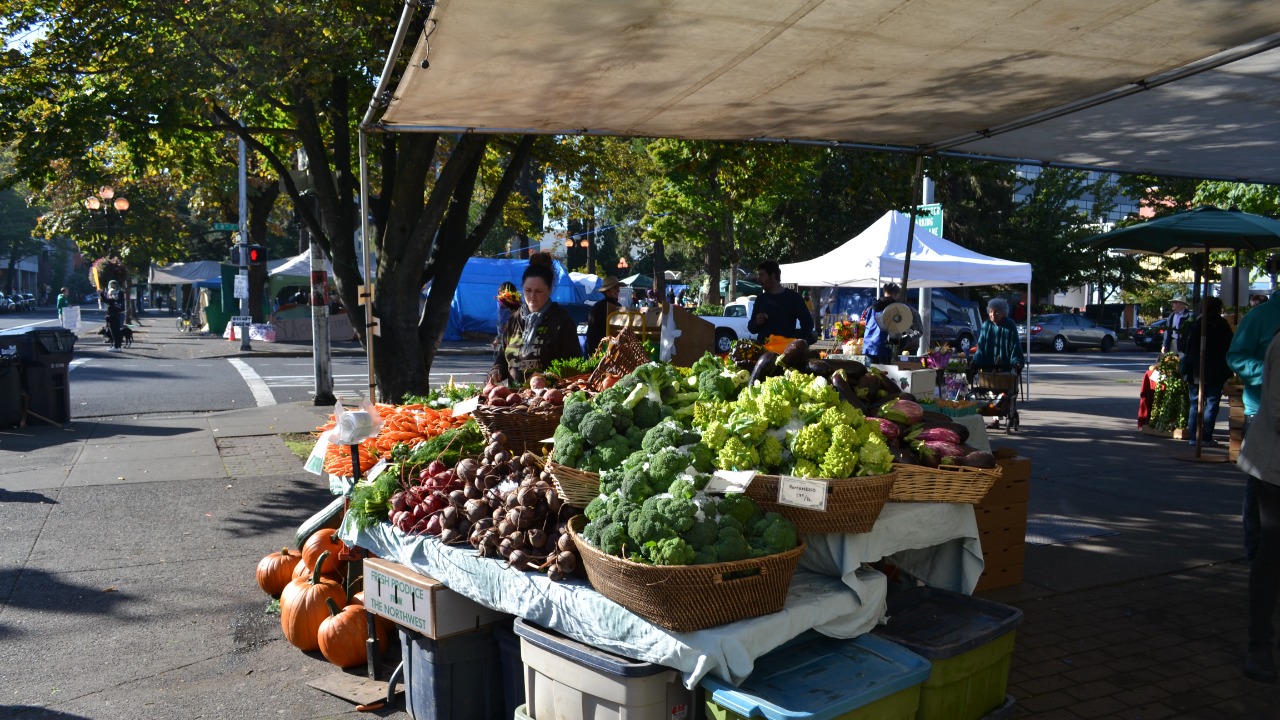
Seasonal produce is often more affordable and flavorful than out-of-season options. By focusing on what’s in season, I enjoy the best quality produce at the lowest prices. Local farmers’ markets are great places to find fresh, seasonal produce.
I can also preserve seasonal fruits and vegetables by freezing or canning them, allowing me to enjoy them year-round without paying a premium for out-of-season imports.
10. Limit Impulse Purchases

Impulse buys can quickly inflate a grocery bill. By setting a budget and sticking to my shopping list, I minimize these unnecessary expenses. I also avoid shopping when hungry, as it can lead to impulse purchases driven by cravings rather than needs.
This approach is supported by discussions on platforms like Reddit’s Frugal community, where many share tips on resisting impulse buys and sticking to budgets.
11. Join a Wholesale Club

Membership in a wholesale club can provide access to bulk purchasing and significant discounts on a wide range of products. While there is an annual fee, the savings on groceries and household items can outweigh the cost. I find that buying non-perishable items and household goods in bulk results in long-term savings.
Wholesale clubs often offer additional benefits, such as discounts on fuel and personal services, enhancing the value of membership.

Cole Whitaker focuses on the fundamentals of money management, helping readers make smarter decisions around income, spending, saving, and long-term financial stability. His writing emphasizes clarity, discipline, and practical systems that work in real life. At The Daily Overview, Cole breaks down personal finance topics into straightforward guidance readers can apply immediately.