
In today’s fast-paced world, prioritizing wellness can often feel like a luxury that comes with a hefty price tag. However, investing in your well-being doesn’t have to break the bank; in fact, it can actually lead to substantial savings over time. Practical wellness tips can enhance your quality of life while keeping your financial health in check.
Embrace Preventive Healthcare

Regular Check-Ups and Screenings
Regular check-ups and screenings might seem like an unnecessary expense, but they are crucial for early detection of health issues. Catching potential problems early can save you from costly treatments down the line. Many communities offer affordable or free screening options, making it easier to stay proactive about your health without straining your wallet.
For instance, community health centers often provide free blood pressure checks, cholesterol screenings, and diabetes tests. These preventive measures are not just about immediate cost savings; they are about investing in your long-term health. By identifying potential health issues early, you can seek timely treatment and avoid more severe and costly interventions.
Vaccinations and Immunizations
Staying up-to-date with vaccinations is a cost-effective way to prevent illnesses that could otherwise lead to significant medical expenses. Vaccines for diseases like influenza, pneumonia, and shingles are essential, particularly for vulnerable populations. Many programs offer free or low-cost vaccinations, ensuring that financial constraints do not prevent you from accessing these vital preventive measures.
For example, flu vaccines are widely available at local pharmacies and clinics, often at no cost to insured individuals. By taking advantage of these resources, you can protect yourself from costly and debilitating illnesses while contributing to the overall health of your community.
Adopt a Healthy Lifestyle

Balanced Diet on a Budget
Eating a balanced diet doesn’t have to mean spending a fortune on groceries. Meal planning and buying in bulk are practical strategies for saving money while ensuring you have nutritious meals. Purchasing whole grains, beans, and seasonal fruits and vegetables can significantly cut down your grocery bill. Additionally, cooking at home is generally more economical than dining out, and it allows you to control the ingredients and nutritional content of your meals.
Consider joining a local food co-op or visiting farmers’ markets for fresh produce at lower prices. By focusing on simple, wholesome ingredients, you can create delicious meals that support your health and your budget. Furthermore, preparing meals in advance can help you avoid the temptation of takeout, ultimately saving you money.
Exercise Without the Price Tag
Staying active is vital for maintaining a healthy lifestyle, but it doesn’t require an expensive gym membership. Many communities offer free or low-cost exercise options, such as community parks and recreational centers. Online workout videos are also a fantastic resource, providing access to a variety of exercise routines at no cost. Platforms like YouTube and fitness apps offer countless options, from yoga to high-intensity interval training, allowing you to tailor your workouts to your preferences.
Additionally, exploring the great outdoors is an excellent way to stay fit without spending money. Hiking, biking, or even walking in your local park can provide both physical and mental health benefits. By embracing these low-cost exercise alternatives, you can maintain your fitness without the burden of hefty gym fees.
Mind Your Mental Health

Affordable Stress Management Techniques
Managing stress effectively is crucial for overall well-being, and it can be achieved without expensive therapies or retreats. Simple practices like meditation, journaling, or taking nature walks are accessible and cost-effective ways to reduce stress. By incorporating these activities into your daily routine, you can enhance your mental health and potentially avoid stress-related health issues.
Engaging in mindfulness practices, such as meditation, has been shown to improve mental clarity and emotional stability. Numerous free resources are available online to guide you in these practices, making them an affordable option for stress management. By prioritizing mental health, you can improve your quality of life and reduce healthcare costs associated with stress-related conditions.
Community and Support Networks
Building strong social connections is a valuable resource for emotional support, and it doesn’t cost anything. Engaging with community groups, volunteering, or participating in local events can help you establish a supportive network. Additionally, many communities offer free or affordable mental health services, such as sliding scale therapy or support groups.
By fostering these connections, you can create a sense of belonging and reduce feelings of isolation, which are often linked to mental health issues. Having a robust support network can also provide a buffer against life’s challenges, enhancing your resilience and overall well-being.
Financial Wellness Practices
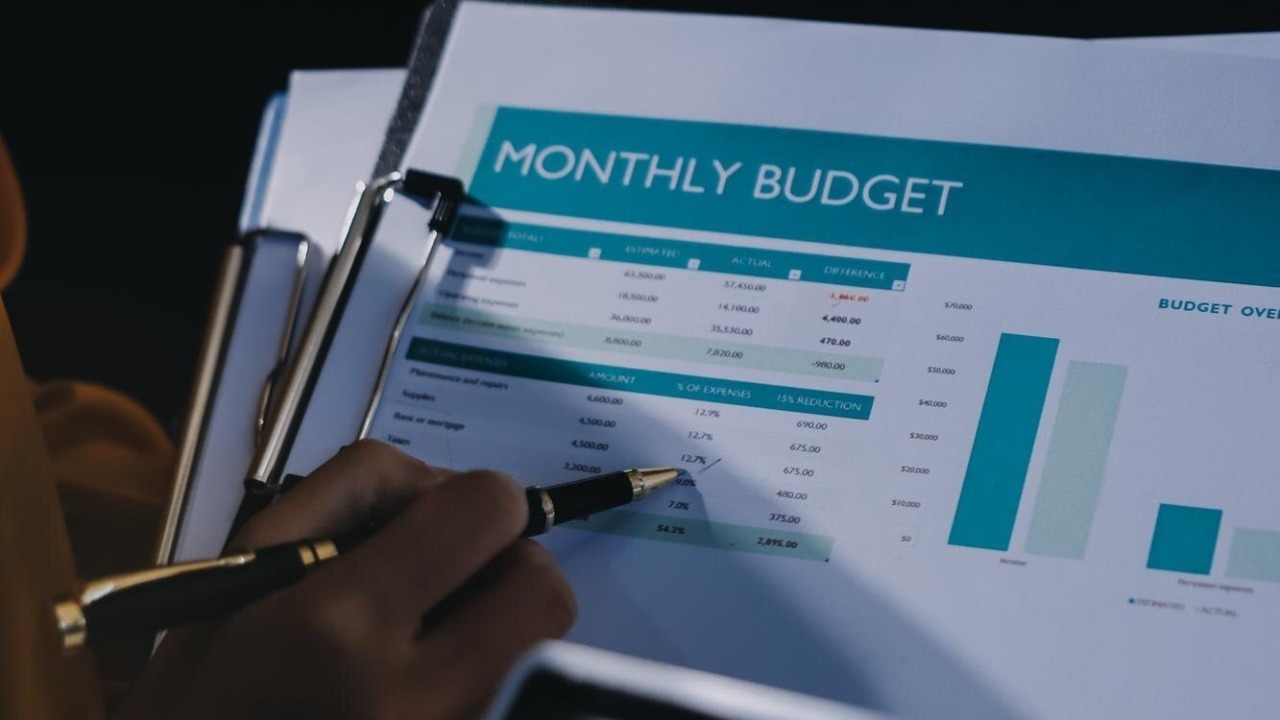
Budgeting and Financial Planning
Effective financial management is a critical component of overall wellness. Utilizing tools and apps that help track expenses and savings goals can provide clarity and control over your financial situation. Apps like Mint or YNAB (You Need a Budget) offer intuitive interfaces for managing your finances, helping you stay on track with your financial objectives.
Establishing an emergency fund is another vital aspect of financial wellness. A well-funded emergency account can alleviate stress during unexpected financial challenges, such as medical emergencies or job loss. By prioritizing savings and budgeting, you can enhance your financial security and reduce anxiety related to financial uncertainty.
Debt Management Strategies
Reducing and managing debt is essential for maintaining financial health. Strategies such as negotiating lower interest rates or consolidating loans can lead to significant savings. Additionally, focusing on paying off high-interest debt first can reduce the overall amount paid in interest over time.
Seeking advice from financial counselors or utilizing online resources can provide valuable insights into effective debt management. By implementing these strategies, you can improve your financial standing and reduce the stress associated with debt. This proactive approach to debt management not only enhances your financial health but also contributes to overall well-being.
Smart Spending and Saving Habits
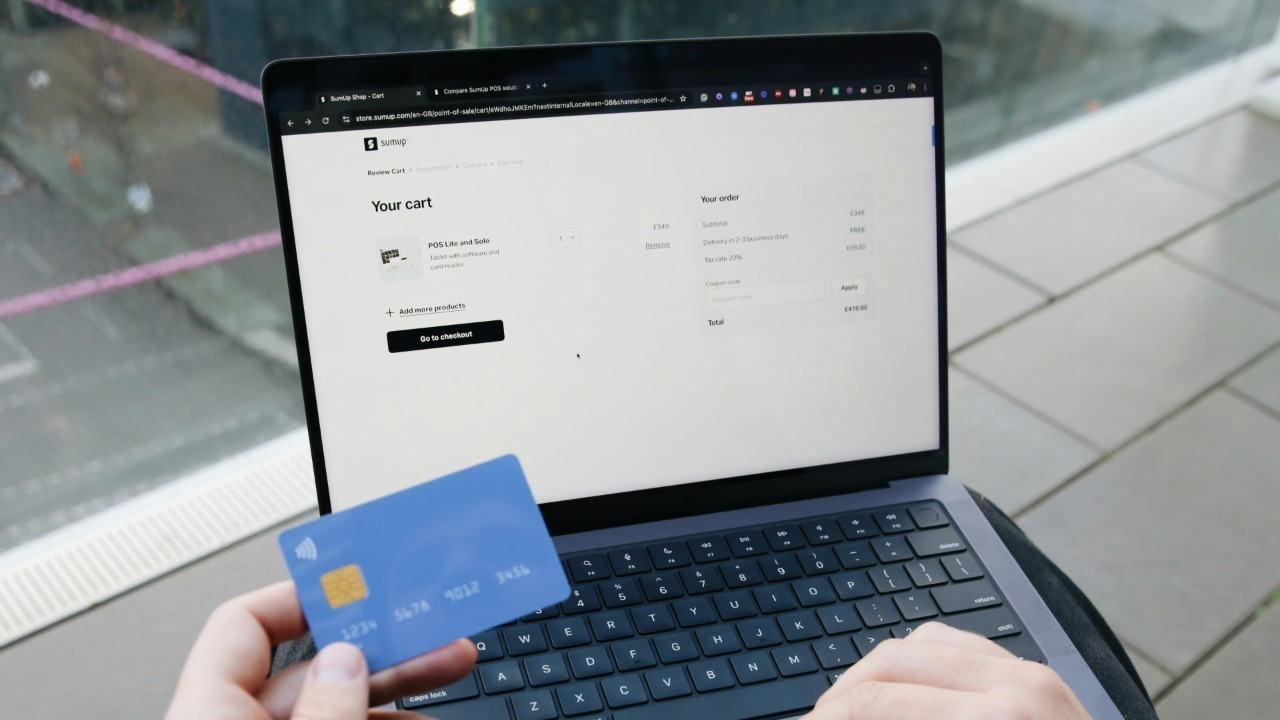
Understanding Needs vs. Wants
Practicing mindfulness in spending by distinguishing between essential and non-essential purchases is a key aspect of financial wellness. By identifying your needs versus wants, you can make more informed decisions about how to allocate your resources. This awareness can help reduce impulse buying and promote long-term savings.
Consider creating a list of priorities to guide your spending decisions. This approach can help you stay focused on what truly matters, ensuring that your financial choices align with your values and goals. By practicing mindful spending, you can achieve greater financial stability and peace of mind.
Investing in Quality over Quantity
Investing in high-quality products that last longer can lead to substantial savings over time. While it might be tempting to opt for cheaper alternatives, quality items often provide better value. For example, purchasing a durable pair of shoes or a reliable kitchen appliance can reduce the need for frequent replacements, ultimately saving you money.
Consider the environmental and financial benefits of investing in sustainable, high-quality products. By making thoughtful purchasing decisions, you can contribute to a more sustainable future while enhancing your financial well-being. This approach not only supports your economic goals but also aligns with broader values of sustainability and responsibility.

Cole Whitaker focuses on the fundamentals of money management, helping readers make smarter decisions around income, spending, saving, and long-term financial stability. His writing emphasizes clarity, discipline, and practical systems that work in real life. At The Daily Overview, Cole breaks down personal finance topics into straightforward guidance readers can apply immediately.