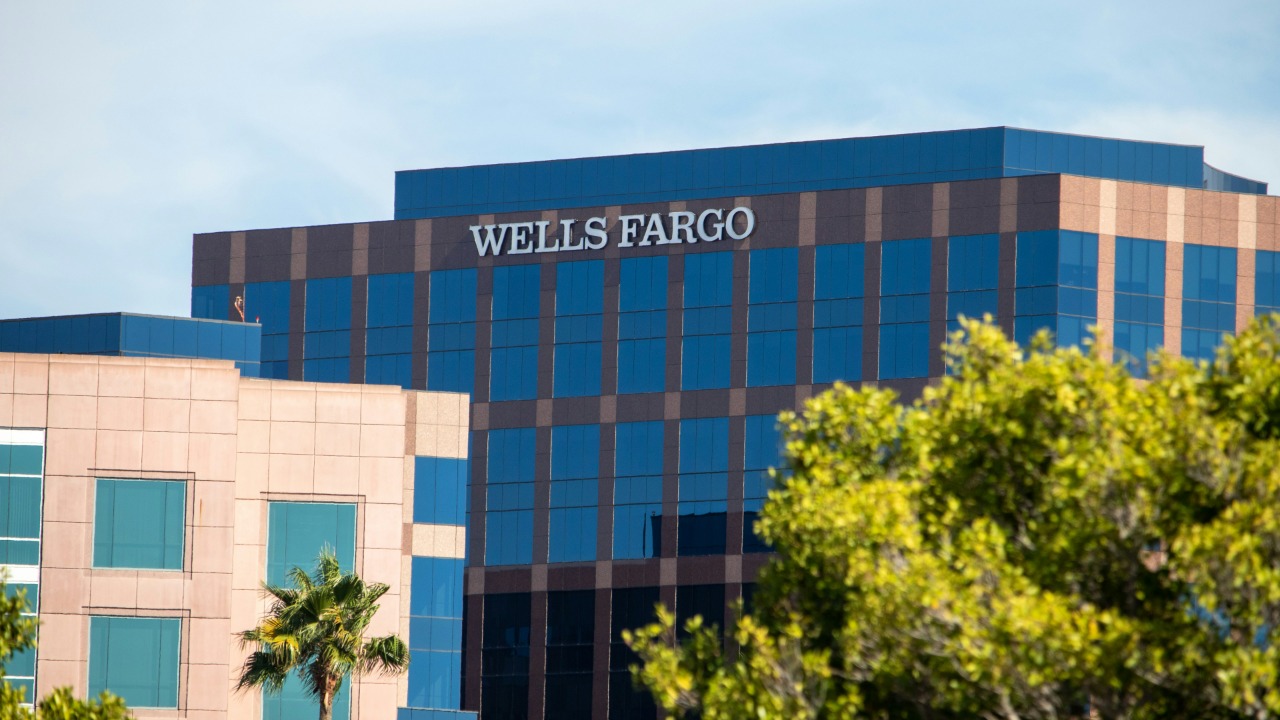
Tariffs are about to move from political talking point to line item on your household budget, and one of the country’s biggest banks is telling shoppers to get ahead of the hit. Wells Fargo analysts are flagging a short window in early 2026 when everyday basics, from sofas to socks, are likely to be meaningfully cheaper than they will be once new trade duties fully filter through supply chains. I see their message as blunt but practical: if you know you will need certain home goods and apparel soon, buying now could be the difference between a manageable upgrade and a painful price shock.
Why Wells Fargo is sounding the alarm on tariffs
Wells Fargo is not in the habit of telling Americans to rush out and fill their carts, so its recent warning about tariff driven price jumps stands out. The bank’s consumer and retail specialists argue that the latest round of trade duties will hit shoppers harder in 2026 than similar measures did in 2025, because more categories of everyday merchandise are now in the crosshairs and retailers have less room left to quietly absorb the extra costs. Their view is that tariffs that once felt abstract are about to show up in very concrete ways on store shelves and checkout screens.
In their analysis, the new levies are expected to push up the cost of imported home goods and clothing as fresh shipments arrive, with the impact magnified as existing inventories are sold through and replaced. Internal projections cited in coverage of the bank’s call suggest that some tariff affected prices could be projected to rise by 62%, a figure that underscores why the institution is willing to attach its name to such a pointed consumer warning. For a bank that typically focuses on credit, savings, and investment products through its main Wells Fargo platform, stepping into the pricing debate in this way signals that it sees a genuine pocketbook risk for households.
How tariffs move from policy to price tag
Tariffs are often described in political debates as a penalty on foreign producers, but in practice they function like a tax on the goods those producers ship into the United States. When the government raises duties on a category such as furniture or apparel, importers must pay more to bring each container through customs, and that extra cost has to land somewhere in the chain. At first, some of it can be absorbed by wholesalers or retailers, especially if they are sitting on older inventory that arrived before the higher rates took effect, but that cushion erodes as new, more expensive shipments dominate the mix.
Analysts following the latest round of trade actions emphasize that the duties will raise the cost of new shipments just as the amount of inventory still in transit from overseas suppliers is dwindling, which means the full burden will increasingly fall on the general public. Reporting on the bank’s internal briefings notes that the duties will raise the cost of each new batch of goods, and that a managing director has warned some items could even sit unsold if sticker shock becomes too severe. That dynamic, where higher prices both squeeze consumers and risk leaving retailers with overpriced stock, is exactly what Wells Fargo is urging shoppers to navigate carefully.
The specific basics Wells Fargo says to buy early
Within that broad tariff story, Wells Fargo’s consumer finance team has zeroed in on a handful of categories where the price impact is likely to be both sharp and visible. At the top of the list are big ticket home furnishings such as couches, coffee tables, and bedroom sets, which rely heavily on imported wood, metal hardware, and upholstery materials. If you have been eyeing a new sofa for the living room or a dining table that can finally seat the whole family, the bank’s message is that locking in current prices could save you a meaningful amount once the new duties are fully baked into replacement stock.
Coverage of the bank’s guidance notes that if you are eyeing up a new couch or coffee table, now is the time to seal the deal, because Wells Fargo is warning that tariffs will soon make those household staples more expensive. In a separate breakdown of the call, the bank is described as having revealed some essentials, particularly furniture and apparel, that consumers should consider buying before noticeable price hikes set in, with WELLS Fargo highlighting these categories as the new year approaches. That focus on basics rather than luxury items reflects a view that tariffs will bite hardest where households have the least flexibility to delay or downgrade purchases.
Home goods: from sofas to small appliances
Home goods sit at the center of the tariff story because they combine bulky imported materials with relatively thin retail margins, a combination that leaves little room to hide higher costs. Large furniture pieces, mattresses, and storage units are obvious candidates for price jumps, but smaller items such as lamps, rugs, and kitchenware are also exposed, since many are sourced from the same overseas factories that are now facing higher duties. For a household planning a move, a renovation, or even a modest refresh of a bedroom or home office, that means the total bill for outfitting a space could climb quickly as 2026 progresses.
Wells Fargo’s retail finance specialists have been explicit that shoppers should stock up on essential home goods before tariffs push prices higher in 2026, singling out categories like living room furniture, bedroom sets, and everyday kitchen items. One detailed account of their guidance frames it as a call to stock up on these essential home goods while retailers are still working through pre tariff inventory. Another report, summarizing comments from the head of Wells Fargo Retail Finance, urges consumers to stock up now on these items before prices jump in early 2026, with Stock up now framed as a practical, time limited strategy rather than a blanket call to overspend.
Apparel and basics: why your wardrobe is in the crosshairs
Clothing may not seem as obviously tariff sensitive as a wooden bed frame or a steel refrigerator, but apparel is one of the most globalized supply chains in the consumer economy. From cotton grown in one country to fabric milled in another and garments stitched in a third, each step can be touched by trade policy, and higher duties at the border can ripple through quickly to the rack. Wells Fargo’s analysts have flagged apparel as a second key category where shoppers are likely to feel the pinch, particularly for everyday basics like jeans, T shirts, and undergarments that are heavily imported and bought on repeat.
In their breakdown of the bank’s warning, consumer finance reporters note that Wells Fargo has revealed some essentials, including apparel, that consumers should consider buying before noticeable price hikes set in as the new year approaches, with furniture and apparel singled out together. Another account of the guidance explains that Wells Fargo urges Americans to stock up on these items ASAP as tariffs could make them pricier, emphasizing that the impact of the policies will shortly be reflected in what shoppers pay, with policies will shortly be reflected used to describe the timing. For anyone who knows they will need new school clothes, workwear, or seasonal basics in the coming months, that combination of warnings suggests it may be cheaper to refresh the wardrobe sooner rather than later.
Timing the tariff shock: why early 2026 matters
One of the most important pieces of Wells Fargo’s message is not just what to buy, but when. The bank’s analysts are effectively drawing a line between the current period, when many retailers are still selling through inventory that arrived under the old tariff regime, and the months ahead, when new, higher cost shipments will dominate. That transition point is when shoppers are likely to see price tags reset, sometimes in abrupt steps rather than gradual drifts, as retailers adjust to protect their margins.
Reports summarizing the bank’s internal forecasts describe the coming months as a window in which tariffs will hit consumers a lot worse in 2026 than the impact they had in 2025, with the warning framed as a near term issue rather than a distant risk. One analysis notes that the tariffs will hit consumers a lot worse in 2026 and that some affected prices are projected to rise by 62 percent, with projected to rise by 62% used to capture the scale. Another account explains that the duties will raise the cost of new shipments just as the amount of inventory still in transit is shrinking, which means the full burden will increasingly fall on the general public, as detailed in the duties will raise the cost analysis. Taken together, those timelines suggest that early 2026 is the moment when the tariff shock will move from spreadsheets to shopping carts.
What this means for retailers’ margins and strategies
While the immediate focus is on what households will pay, Wells Fargo’s research also looks at how retailers themselves will navigate the new tariff landscape. Higher import costs squeeze merchants from both sides, forcing them to choose between raising prices and risking slower sales, or holding the line and watching margins erode. The bank’s sector analysts have argued that some chains could eventually benefit if trade tensions ease and tariffs are rolled back, but in the near term they expect a period of adjustment in which promotions, inventory management, and pricing strategies are all in flux.
In a separate piece of research on the sector, Wells Fargo reiterated that its analysts have turned more constructive on U.S. retailers for 2026, suggesting that a reversal in some cost pressures could translate into a material margin tailwind for several companies, with the sector described as being among the largest potential beneficiaries of such a shift, as outlined in Wells Fargo turns more constructive. A related note explains that a reversal could translate into a material margin tailwind for several retailers, with the sector again highlighted as one of the largest potential winners if trade costs ease, according to A reversal could translate. For now, though, the bank’s consumer facing advice assumes that tariffs remain in place long enough to bite, and that retailers will pass on at least part of the burden to shoppers.
How to prioritize purchases without overspending
For individual households, the challenge is to act on Wells Fargo’s warning without turning it into an excuse for impulsive spending. The bank’s analysts are not suggesting that everyone rushes out to buy a second couch or a closet full of clothes they will never wear, but rather that people who already know they will need certain items soon consider moving those purchases forward. That means starting with a clear list of upcoming needs, from a child’s new bed to a replacement washing machine, and then weighing whether the potential tariff driven increase justifies buying earlier than planned.
In practical terms, the categories that Wells Fargo has highlighted, such as furniture, home goods, and apparel, are the ones to scrutinize most closely, especially where the items are durable and unlikely to be wasted. Reports on the bank’s guidance emphasize that Wells Fargo urges Americans to stock up on these items ASAP as tariffs could make them pricier, with the warning framed as a targeted strategy rather than a blanket call to hoard, as captured in the Wells Fargo urges Americans coverage. Another account notes that Wells Fargo has revealed some essentials consumers should consider buying before noticeable price hikes set in, particularly as the new year approaches, reinforcing the idea that this is about thoughtful, needs based planning rather than panic buying, as described in the key items to buy analysis.
The bigger picture: tariffs, inflation, and household resilience
Stepping back, Wells Fargo’s tariff warning fits into a broader story about how trade policy, inflation, and household finances intersect. After several years of elevated price pressures, many families have already tightened their budgets, trimmed discretionary spending, and looked for ways to stretch each paycheck. Tariff driven increases on basics like furniture and clothing threaten to reopen that wound just as some other cost pressures, such as fuel or certain groceries, have started to stabilize, making the bank’s call to plan ahead feel less like alarmism and more like pragmatic risk management.
At the same time, the bank’s sector research hints at a future in which some of these pressures could ease, particularly if trade tensions cool and tariffs are reduced or removed, creating the margin tailwind its analysts have described for retailers. For now, though, the most concrete guidance is aimed at consumers, with Wells Fargo’s retail finance leaders urging shoppers to stock up on key items before early 2026 price hikes set in, as summarized in the Stock up now on these items coverage. In that sense, the bank’s message is less about predicting every twist of trade policy and more about giving households a chance to build a little resilience before tariffs jack up prices on the basics they cannot easily do without.
More From TheDailyOverview

Grant Mercer covers market dynamics, business trends, and the economic forces driving growth across industries. His analysis connects macro movements with real-world implications for investors, entrepreneurs, and professionals. Through his work at The Daily Overview, Grant helps readers understand how markets function and where opportunities may emerge.