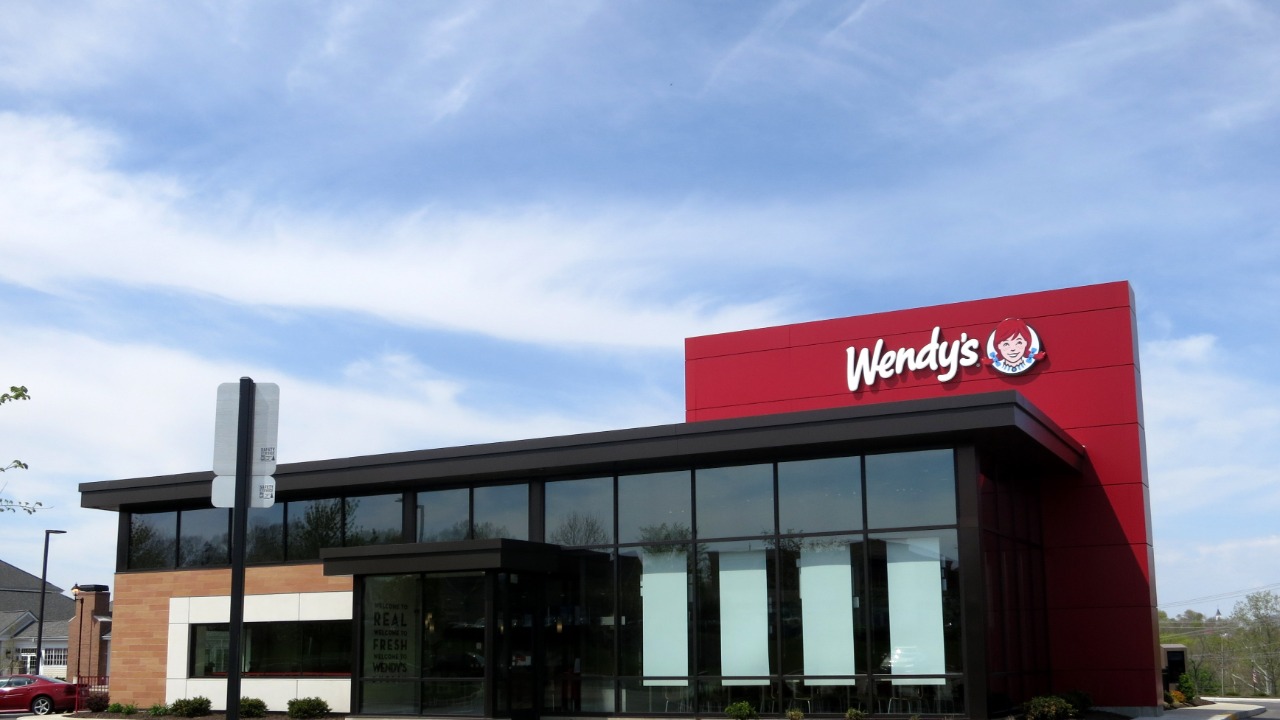
Wendy’s plans to close hundreds of restaurants through the middle of 2026, telling investors on its fourth-quarter 2023 earnings call that 5% to 6% of its roughly 6,000 U.S. locations could shut down. That translates to about 300 to 400 restaurants, even as the company pushes to refresh its brand in a crowded fast-food market. Executives framed the move as a portfolio “optimization” effort, with the CEO saying the goal is to prune weaker stores so the system can grow stronger overall.
The Announcement Details
The company laid out the closure plan in materials tied to its fourth-quarter results, which were released on February 13, 2024. In its guidance, Wendy’s told investors it expects to shutter between 5% and 6% of its U.S. restaurants by mid-2026, a figure that works out to roughly 300 to 400 locations based on a domestic base of about 6,000 units. That timeline and scale were reiterated in a corporate update that described the move as part of a multi-year effort to reshape the store base, according to an Associated Press report.
Wendy’s is not simply shrinking. The company also told investors it plans to open around 140 new restaurants during the same period, effectively swapping out weaker units for locations it believes have stronger long-term potential. As detailed in a business briefing cited by CNN’s coverage, executives said they expect net unit growth to remain positive in 2024 even after accounting for the closures, which suggests that Wendy’s is betting on a leaner but more productive footprint.
Reasons Behind the Closures
The closure plan follows a difficult quarter in the U.S. market. Wendy’s reported that same-store sales in the United States fell 2.2% in the fourth quarter of 2023, a reversal from prior growth and a sign that some restaurants were struggling to pull in traffic. Company leaders and outside analysts cited that 2.2% decline as a key reason for the more aggressive pruning of the store base, according to figures highlighted in the Associated Press account of the earnings release.
Rising food, labor, and occupancy costs have made underperforming restaurants harder to sustain, especially in locations where sales have not kept pace with inflation. In response, Wendy’s is leaning more heavily into its value platform, adjusting its menu and promotions to appeal to price-sensitive diners who have pulled back on discretionary spending. Analysts quoted in CNN’s reporting said the company is trying to balance sharper value offers with profitability, which may require closing restaurants that cannot generate enough volume at lower price points.
Locations at Risk
Wendy’s has not released a full list of restaurants slated for closure, and the company’s filings describe the 5% to 6% reduction as a systemwide estimate rather than a detailed map. However, executives signaled on the earnings call that the focus will be on underperforming locations, with a mix of urban and rural stores likely to be affected. Coverage of the call by the New York Daily News noted that management referenced both high-rent city sites and smaller-town units with persistent traffic challenges as examples of where cuts might fall.
Local reporting has already confirmed some specific closures. In Iowa, for example, at least one and potentially two Wendy’s restaurants in the Des Moines area have been identified for shutdown as part of the broader restructuring. A detailed look at the state’s market by the Des Moines Register described how franchisees there are evaluating older stores with higher maintenance costs and weaker sales trends, suggesting that similar assessments are underway in other regions. While the national plan points to 300 to 400 closures, the exact distribution across states will likely emerge gradually as franchisees and the company finalize their local decisions.
Broader Business Strategy
Wendy’s leadership has framed the closures as one part of a broader portfolio optimization strategy rather than a retreat from the U.S. market. In comments summarized by the Associated Press, executives said they are targeting restaurants that consistently lag system averages and require outsized capital to keep up with brand standards. By exiting those locations, the company expects to free up resources to support remodels, relocations, and new builds in areas with stronger demographic trends and traffic potential.
The strategy also leans heavily on digital investments and franchise support. Wendy’s has been expanding its mobile ordering, delivery partnerships, and in-store digital menu boards, which it argues can lift average checks and improve labor efficiency. Reporting from CNN noted that the company’s 2024 guidance calls for roughly 2% net unit growth globally, even after the planned closures, which implies a pipeline of new restaurants and remodels funded in part by the savings from shuttered units. Franchisees are being offered tools and incentives to shift investment toward markets where digital adoption and drive-thru traffic are strongest.
Industry Context and What It Means
Wendy’s is not alone in rethinking its footprint. Competitors such as McDonald’s have been remodeling restaurants, updating drive-thru technology, and in some cases closing older or overlapping locations to concentrate on higher-volume sites. Analysts quoted in the New York Daily News coverage of Wendy’s plan said the move fits a broader pattern across fast food, where chains are using data on traffic, delivery demand, and neighborhood demographics to decide which stores to upgrade and which to exit. In that context, Wendy’s 5% to 6% reduction looks less like an outlier and more like a catch-up effort after several years of rising costs.
The closures will still have human consequences. Based on typical staffing levels, analysts cited by CNN estimated that 300 to 400 restaurant closures could affect roughly 1,000 to 2,000 jobs across the country, although some workers may transfer to nearby locations or newly opened stores. For consumers, the impact will vary: in dense urban areas, another Wendy’s or competing chain may be only a few blocks away, while in smaller towns a closure could remove one of the few quick-service options. The company’s push toward value menus and digital convenience suggests it is betting that a tighter network of stronger restaurants can still capture demand, even if some communities lose their local store.
Uncertainties and Next Steps
Despite the clear percentage targets, many details of the closure plan remain unsettled. Wendy’s has not provided a public, store-by-store list, and the company’s filings emphasize that the 5% to 6% figure is an estimate that could shift as franchisees review performance and negotiate leases. The Associated Press report noted that some closures could be delayed or avoided if landlords agree to better terms or if sales rebound, while others might be accelerated if conditions worsen. Local stories like the Des Moines Register’s coverage of Iowa show how these decisions are playing out market by market rather than through a single nationwide cut list.
Investors will be watching quarterly reports closely to see how many restaurants actually close, how many new units open, and whether same-store sales recover from the 2.2% U.S. decline recorded in the fourth quarter of 2023. Initial reaction to the February 13 earnings release included a dip in Wendy’s stock price, as reported by CNN, reflecting concern about weaker sales and the near-term costs of shutting down hundreds of locations. I see the next year and a half as a test of whether the company’s bet on a smaller, more productive U.S. footprint, backed by digital upgrades and a sharper value pitch, can restore growth in a fast-food market that has become far less forgiving of missteps.
More From The Daily Overview
*This article was researched with the help of AI, with human editors creating the final content.

Grant Mercer covers market dynamics, business trends, and the economic forces driving growth across industries. His analysis connects macro movements with real-world implications for investors, entrepreneurs, and professionals. Through his work at The Daily Overview, Grant helps readers understand how markets function and where opportunities may emerge.

