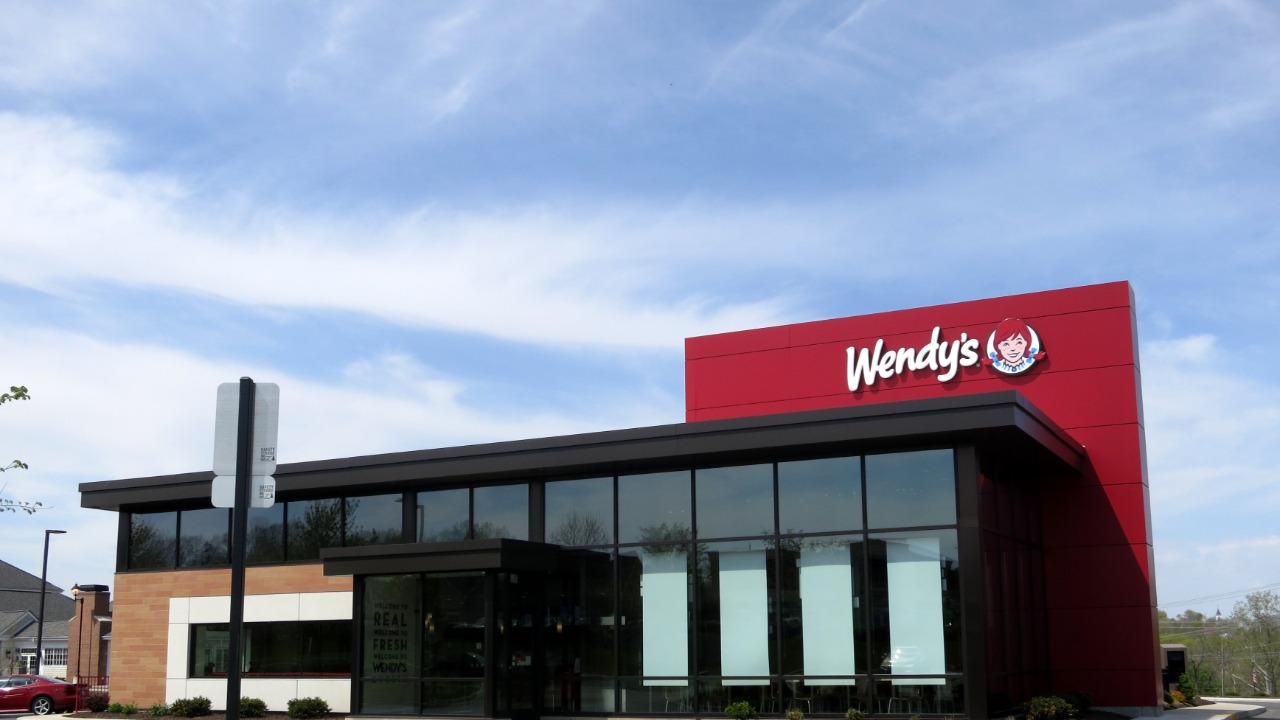
Wendy’s is preparing to close a significant slice of its U.S. footprint in 2026, a shift that could reshape where millions of customers get their square burgers and Frostys. The company has confirmed that hundreds of locations will go dark as it tries to lift profits and modernize the restaurants that remain, but it has not released a public list of affected stores. That leaves regulars in every city wondering whether their neighborhood Wendy’s is safe or sitting on the chopping block.
What Wendy’s has actually confirmed so far
The core fact is not in dispute: Wendy’s plans to shut down hundreds of restaurants in 2026 as part of a broad reset of its U.S. business. Reporting on the company’s strategy makes clear that the closures are not a one-off cutback but a coordinated effort to prune weaker locations and redirect investment into stronger ones, with one analysis noting that Wendy’s has revealed plans to close about 300 U.S. stores in the next year as part of a profit push at its remaining restaurants. That figure, tied directly to the company’s own disclosures, underscores that this is not a handful of isolated exits but a sizable retrenchment across the system, with the goal of improving performance at the stores that survive the review.
At the same time, the company has been careful about how much detail it shares, which is why so many customers are still guessing about their local shop. Coverage of the plan stresses that Wendy’s is keeping the specifics under wraps and has not released a list of individual restaurants that will close, even as it acknowledges that hundreds of locations are on the line. One breakdown of the strategy notes that the chain is closing restaurants while also reminding customers about loyalty rewards and other perks they often forget to claim, a sign that Wendy’s is trying to keep regulars engaged even as it quietly prepares to pull back in some markets. Together, those signals show a brand trying to walk a tightrope between financial discipline and customer reassurance.
Why hundreds of locations are suddenly at risk
Behind the headline number is a straightforward business problem: too many Wendy’s locations are not pulling their weight. Company commentary on the closures points to “consistently underperforming” restaurants that drag down overall results, with affected locations singled out for weak sales and profitability. In other words, the stores most at risk are the ones that have struggled to attract enough traffic or generate strong margins, and the chain has decided that shutting them is better than continuing to subsidize them. That logic mirrors what other fast food brands have done when they trim their portfolios, focusing on units that fall short of internal benchmarks for sales, customer counts, or operating efficiency.
The financial context helps explain the timing. Analysts describe a formal strategic review of the Wendy’s store base that zeroes in on same-store sales weakness and the need to improve returns from existing assets rather than simply adding more restaurants. One detailed brief on the plan notes that Wendy’s will close underperforming locations while also looking at options like deploying additional technology or equipment to lift productivity at the stores that remain open. Another report frames the move as a pivot away from expansion and toward boosting sales at each U.S. location, with the company explicitly saying it wants to improve performance, boost its profits, and ensure viability instead of chasing raw store count. Taken together, those explanations show a chain reacting to softer demand and rising costs by cutting weaker links and trying to make the rest of the system more efficient.
Why there is still no public list of closing stores
For customers, the most frustrating part of the story is that there is still no official list of which Wendy’s restaurants will close in 2026. Coverage of the company’s messaging is blunt on this point, noting that Wendy’s has not released a list of specific restaurants slated for closure even as it confirms that hundreds of locations are in play. One analysis spells it out clearly, explaining that the chain is keeping details under wraps, so there is no way to confirm whether a particular location will close until decisions are finalized and communicated locally. That secrecy is deliberate, and it reflects how sensitive these decisions are for franchisees, employees, and landlords who all have money on the line.
The company’s home base has also signaled that the process is fluid, which makes a neat, early list almost impossible. A statement from Dublin, Ohio-based Wendy’s explains that the review of locations is underway and ongoing and that the company cannot provide specific numbers or locations beyond the broad guidance that hundreds of stores are being evaluated. Another breakdown of the plan emphasizes that Wendy’s intends to close hundreds of restaurants while simultaneously investing in stronger, more modern stores overall, a balancing act that requires negotiations with franchise owners and careful sequencing of closures and remodels. Until those talks are complete, the company is likely to keep relying on high-level numbers rather than publishing a definitive map of which addresses will lose their Wendy’s sign.
How to gauge whether your local Wendy’s is vulnerable
Without a formal list, the best most customers can do is read the signals that Wendy’s itself has laid out. The company has been clear that the locations most at risk are those that are consistently underperforming and weighing on the broader system, a description that points to stores with chronically light traffic, frequent staffing issues, or visible signs of neglect. If your neighborhood Wendy’s is often empty at peak times, has limited hours compared with nearby competitors, or has struggled to keep its menu fully stocked, those could be red flags that it is not meeting the performance standards the chain wants to see. None of those signs guarantee a closure, but they do line up with the criteria Wendy’s has highlighted for the restaurants it is targeting.
There are also clues in how the company describes its future footprint. One detailed look at the plan notes that Wendy’s wants to emerge from the 2026 shakeup with stronger, more modern stores overall, which suggests that locations with recent remodels, digital menu boards, and updated dining rooms may be safer than older, dated units. Another analysis of the closures points out that Wendy’s is focusing on increasing sales at each U.S. location rather than simply adding more stores, a strategy that favors high-volume restaurants in dense trade areas over marginal sites in saturated corridors. If your local Wendy’s sits in a busy retail hub, has a drive-thru that stays backed up, and has recently added technology like mobile order pickup shelves or kitchen automation, it is more likely to fit the profile of the restaurants the company wants to keep.
What this reset means for workers and regular customers
For employees, the 2026 closures represent a period of real uncertainty, even if some jobs will shift to surviving locations. When a company signals that about 300 U.S. stores will close and that hundreds of restaurants are under review, it is effectively putting thousands of positions on notice, from crew members to managers and maintenance staff. While some franchisees may be able to absorb workers into nearby restaurants, others will not have that option, especially in smaller markets where there are only one or two Wendy’s locations. The company’s emphasis on underperforming stores also means that many of the affected restaurants are in areas where alternative jobs in the same brand may be limited.
Regular customers face a different kind of disruption, particularly in communities where Wendy’s is a primary fast food option rather than one of many. One consumer-focused breakdown of the closures notes that people are already asking whether their favorite Wendy’s is on the list and that the lack of a public roster forces them to watch for local signs like “for lease” notices or sudden changes in hours. At the same time, some analyses point out that Wendy’s is still promoting loyalty rewards and digital deals, encouraging customers to keep engaging with the brand even as it prepares to shutter weaker locations. For many fans, the practical takeaway is that they may have to drive farther for a Baconator or shift their routine to a different chain if their closest Wendy’s does not survive the 2026 reset.
How Wendy’s hopes the closures will reshape the brand
From the company’s perspective, the closures are not just about cutting costs, they are about repositioning Wendy’s for a tougher competitive landscape. One strategic overview explains that Rather than adding more stores, the company is trying to focus on increasing sales at each U.S. location, a shift that aligns with broader trends in fast food where brands are leaning on technology, menu innovation, and delivery partnerships instead of raw expansion. Another detailed brief notes that Wendy’s is considering deploying additional technology or equipment in its remaining restaurants, a move that could include everything from upgraded kitchen systems to enhanced digital ordering tools designed to speed service and lift average checks.
The hope is that by trimming underperforming units and investing in stronger ones, Wendy’s can emerge from 2026 with a leaner, more profitable network that is better able to compete with rivals on speed, consistency, and experience. One analysis of the plan underscores that Wendy’s wants stronger, more modern stores overall after the closures, a phrase that captures the company’s bet that customers will reward cleaner dining rooms, faster drive-thrus, and more reliable digital ordering. Another report on the earnings backdrop highlights that affected locations are those that are consistently underperforming and that the company has already closed other weak restaurants in past years for similar reasons, suggesting that this latest wave is part of a longer effort to reshape the brand’s footprint. For customers, that means the Wendy’s that survives in their area may look and feel different, even if the square burgers stay the same.
More From TheDailyOverview
- Tennessee loses $2.6B megafactory and faces major layoffs
- Retired But Want To Work? Try These 18 Jobs for Seniors That Pay Weekly
- What to do with your pennies after the U.S. stops minting them
- Home Depot CEO warns of a troubling customer trend in stores

Grant Mercer covers market dynamics, business trends, and the economic forces driving growth across industries. His analysis connects macro movements with real-world implications for investors, entrepreneurs, and professionals. Through his work at The Daily Overview, Grant helps readers understand how markets function and where opportunities may emerge.

