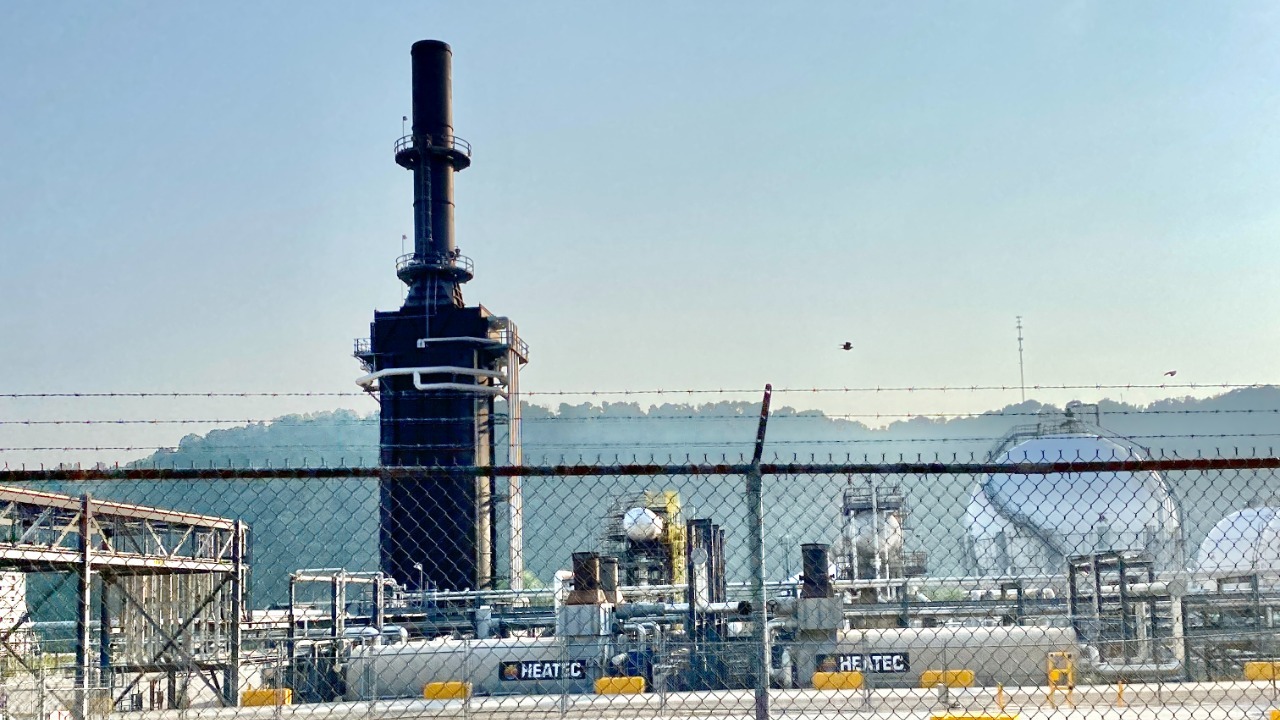
Westlake is moving to close several North American plants and write down hundreds of millions of dollars in assets, a sweeping reset that will reshape its footprint in key plastics and chemicals markets. The company expects a pre-tax charge of about $415 million tied to the shutdowns, a figure that signals how decisively it is willing to cut capacity that no longer fits its long term strategy.
The decision will eliminate hundreds of jobs, idle older production units and concentrate investment in more competitive facilities, even as it raises fresh questions about the future of legacy industrial towns that have long depended on heavy manufacturing.
Westlake’s $415 million reset and what is actually closing
When a company the size of Westlake decides to absorb a $415 million pre-tax hit, it is not trimming at the margins, it is rewriting its industrial map. The planned charge reflects the permanent closure or rationalization of chlorovinyl and styrene assets across North America, including units that produce core building blocks like PVC, VCM and styrene. By taking the pain in one concentrated move, Westlake is signaling that these plants are no longer expected to earn their keep in a world of shifting demand, higher energy costs and tougher environmental expectations.
In practical terms, the reset centers on a group of older facilities that have struggled to compete with newer, more efficient units inside the company’s own network. The decision to shutter specific PVC and VCM lines, along with styrene capacity, is framed as a way to align production with markets where Westlake sees durable growth rather than chasing volume for its own sake. The company has described the move as part of a broader effort to Rationalize Certain North American Chlorovinyl and Styrene Assets, a phrase that captures both the financial logic and the industrial scale of the overhaul.
Four key units, 295 jobs and a sharper PVC focus
The most immediate human impact of the restructuring is concentrated in a set of Four production units that Westlake has decided to close. Those units, which include PVC, VCM and styrene operations, will together cost 295 people their jobs once the shutdowns are complete. For a company with a global workforce, 295 may not sound transformational, but for the communities that host these plants, the loss of each of those positions reverberates through families, school districts and local tax bases.
From an industrial perspective, the closures are a clear statement about where Westlake believes it can still win in PVC and where it cannot. Management has framed the decision as a difficult but necessary step to concentrate PVC production in more competitive facilities that can serve both North American customers and export markets in regions such as the Asia market. By trimming older capacity and consolidating output, Westlake is betting that a leaner network of PVC and VCM assets will deliver better margins than a sprawling footprint weighed down by underperforming plants, a strategy reflected in its detailed plan to shutter specific PVC, VCM, styrene units.
Why chlorovinyl and styrene assets are on the chopping block
Chlorovinyl and styrene assets sit at the heart of Westlake’s traditional chemicals portfolio, so their inclusion in the restructuring is telling. These assets are capital intensive, energy hungry and deeply exposed to swings in construction, packaging and consumer goods demand. When markets are strong, they can generate robust cash flow, but when demand softens or feedstock advantages erode, older plants quickly become a drag on returns. Westlake’s decision to rationalize these specific assets suggests that some of its North American units no longer offer the cost position or flexibility needed to justify ongoing investment.
Styrene in particular has faced structural headwinds, from evolving packaging regulations to competition from alternative materials and shifting global trade flows. Chlorovinyl chains, anchored by PVC and VCM, are more closely tied to housing and infrastructure cycles, which have been uneven across regions. By targeting underperforming chlorovinyl and styrene units for closure, Westlake is trying to protect the profitability of its strongest assets while freeing capital for upgrades, debottlenecking and potential growth projects elsewhere in its network. The company’s formal description of its plan to Rationalize Certain North American Chlorovinyl and Styrene Assets underscores that this is not a retreat from chemicals, but a reshaping of the portfolio toward plants that can compete through the cycle.
The geography of closure and the fate of legacy plant towns
Plant closures are never just about corporate balance sheets, they redraw the economic map of the towns that host them. Westlake’s decision to shut multiple North American units will be felt most acutely in smaller industrial communities where a single chemical complex can anchor the local economy. Places that have grown up around PVC and VCM production, often near rail lines and river systems, now face the prospect of losing not only direct jobs but also the contractors, suppliers and small businesses that depend on plant spending.
One example of the kind of community that can be affected is Aberdeen, MS, a Mississippi town whose industrial base has long been intertwined with manufacturing and logistics. While each Westlake site has its own profile, the pattern is familiar: a large employer offers stable wages, supports local charities and underpins municipal finances, and when that employer scales back, the community must scramble to replace both the jobs and the civic presence. For local leaders, the challenge now is to court new investment, retrain workers and repurpose industrial land in ways that can sustain growth after the smokestacks go quiet.
Timing, execution and the December deadline
Westlake is not stretching this restructuring over many years; it is moving on an aggressive timetable that underscores the urgency of the reset. The company has indicated that the affected units will be idled and then permanently closed by the end of December, compressing the transition into a matter of months rather than a slow phase out. That pace is designed to capture cost savings quickly and to give investors clarity on when the $415 million charge will hit the financial statements, but it also compresses the window for workers and communities to adjust.
For employees, a year end deadline means severance negotiations, job searches and relocation decisions are all happening on a tight clock, often during a period that is already financially and emotionally demanding. For customers, the schedule requires careful coordination to ensure that orders are shifted to other Westlake plants or alternative suppliers without disrupting construction projects or manufacturing lines that rely on PVC, VCM and styrene derivatives. The company has framed the closures as part of a broader rationalization that will leave its remaining network stronger, and it has tied the timing of the shutdowns to a plan to complete the affected unit closures by the end of December.
How the $415 million charge reshapes Westlake’s balance sheet
A $415 million pre-tax charge is not just an accounting entry; it is a public acknowledgment that certain assets will never earn back their book value. By writing down these plants, Westlake is cleaning up its balance sheet and resetting the baseline from which future returns will be measured. Investors often prefer a sharp, one time charge to a slow drip of impairment and restructuring costs, because it clarifies which assets are truly core and which are being exited. In that sense, the financial impact of the closures may be front loaded, but the strategic benefits could unfold over years.
Once the charge is taken, depreciation and maintenance spending tied to the shuttered units will fall away, improving reported margins on the remaining portfolio. At the same time, the company will have to weigh how much of the cash saved from closing these plants should be directed toward debt reduction, share repurchases or new capital projects. The decision to rationalize chlorovinyl and styrene assets in North America, as described in Westlake’s own BUSINESS WIRE announcement from HOUSTON, positions the company to redeploy capital into areas where it sees better long term returns, whether that is higher value specialty materials, downstream products or efficiency upgrades at its most competitive chlorovinyl hubs.
What the closures signal about PVC and VCM demand
Shutting PVC and VCM units at a time when housing and infrastructure needs remain significant might seem counterintuitive, but the move says more about relative competitiveness than about absolute demand. Westlake is not exiting PVC; it is concentrating production in plants that can run at lower cost and higher reliability, which is critical in commodity markets where pennies per pound can decide who wins. The closures suggest that some North American units have lost their edge, whether because of scale, energy intensity, logistics or environmental compliance costs, and that the company believes it can serve customers more efficiently from other sites.
At the same time, the decision reflects a nuanced view of global PVC flows. Export opportunities depend on freight rates, trade policy and the cost position of rival producers in regions like Asia and the Middle East. By trimming capacity that is marginal in global cost curves, Westlake is trying to avoid flooding the market with high cost tons that would pressure prices and margins for everyone, including itself. The focus on rationalizing PVC and VCM assets, as highlighted in the company’s plan to shutter specific PVC, VCM units, is a reminder that in cyclical chemicals, disciplined capacity management can be as important as chasing volume growth.
Jobs, retraining and the social cost of rationalization
For the 295 workers whose roles are being eliminated, rationalization is not a strategic abstraction; it is a layoff notice. Chemical plants tend to pay above average wages for their regions, and many employees have built entire careers around a single facility, often following parents or relatives into the same plant. When those jobs disappear, the immediate risk is that skilled workers will be forced into lower paying service roles or will leave the region altogether, draining local talent and weakening the community’s economic base.
How Westlake handles severance, retraining support and potential transfers to other facilities will shape its reputation among employees and local leaders long after the last unit is idled. Some workers may be able to move into maintenance, operations or safety roles at other Westlake plants, particularly in segments of the chlorovinyl chain that remain core to the company’s strategy. Others will need help translating their skills into adjacent industries such as power generation, water treatment or advanced manufacturing. The company’s acknowledgment that closing Four production units and cutting 295 jobs is a “difficult but necessary” step, as reflected in its detailed plan for rationalizing production, will now be tested against the concrete support it offers to the people whose livelihoods are directly affected.
What comes next for Westlake and its North American footprint
Once the closures are complete and the $415 million charge is absorbed, Westlake will emerge with a leaner North American footprint that is more tightly focused on its most competitive chlorovinyl and styrene assets. The company will still be a major player in PVC, VCM and related products, but with a network that is designed to run harder at fewer sites rather than spreading volume across a larger number of older plants. That shift should, in theory, translate into better utilization rates, lower unit costs and a stronger platform for future investment in both core chemicals and downstream applications.
The real test will be whether this rationalization positions Westlake to grow in the next cycle, not just to survive the current one. If the company can leverage its remaining assets to capture demand from infrastructure spending, housing recovery and industrial reshoring, the painful decisions it is making now may look prescient in hindsight. For communities losing plants, the path forward will be harder, requiring coordinated efforts from local governments, workforce agencies and private investors to fill the gap left by Westlake’s departure. For the broader industry, the move is a signal that even established players are willing to take large, one time hits to align their portfolios with a more competitive, and more selective, future for North American chemicals.
More From TheDailyOverview

Grant Mercer covers market dynamics, business trends, and the economic forces driving growth across industries. His analysis connects macro movements with real-world implications for investors, entrepreneurs, and professionals. Through his work at The Daily Overview, Grant helps readers understand how markets function and where opportunities may emerge.

