
The job market is presenting growing challenges for college-educated men, whose struggles are indicative of broader economic trends. Recent reports highlight the stagnation faced by this demographic in today’s labor market, a phenomenon that has garnered political attention from figures such as Wes Moore and Gretchen Whitmer. This situation not only reflects current economic conditions but also signals potential future trends in workforce dynamics.
The Current Plight of College-Educated Men

College-educated men are increasingly experiencing stagnation in today’s labor market. According to a report by Business Insider, this demographic is facing significant challenges in securing positions that match their educational qualifications and expectations. The stagnation is not just a temporary setback but a reflection of deeper economic issues that could influence the job market’s evolution.
This trend is concerning as it suggests that the traditional pathways to success through higher education are becoming less reliable. The struggles of college-educated men highlight a mismatch between the skills acquired through education and the demands of the current job market. This mismatch may indicate a shift in the types of skills and experiences valued by employers, potentially affecting future graduates and the overall workforce landscape.
Economic and Political Reactions
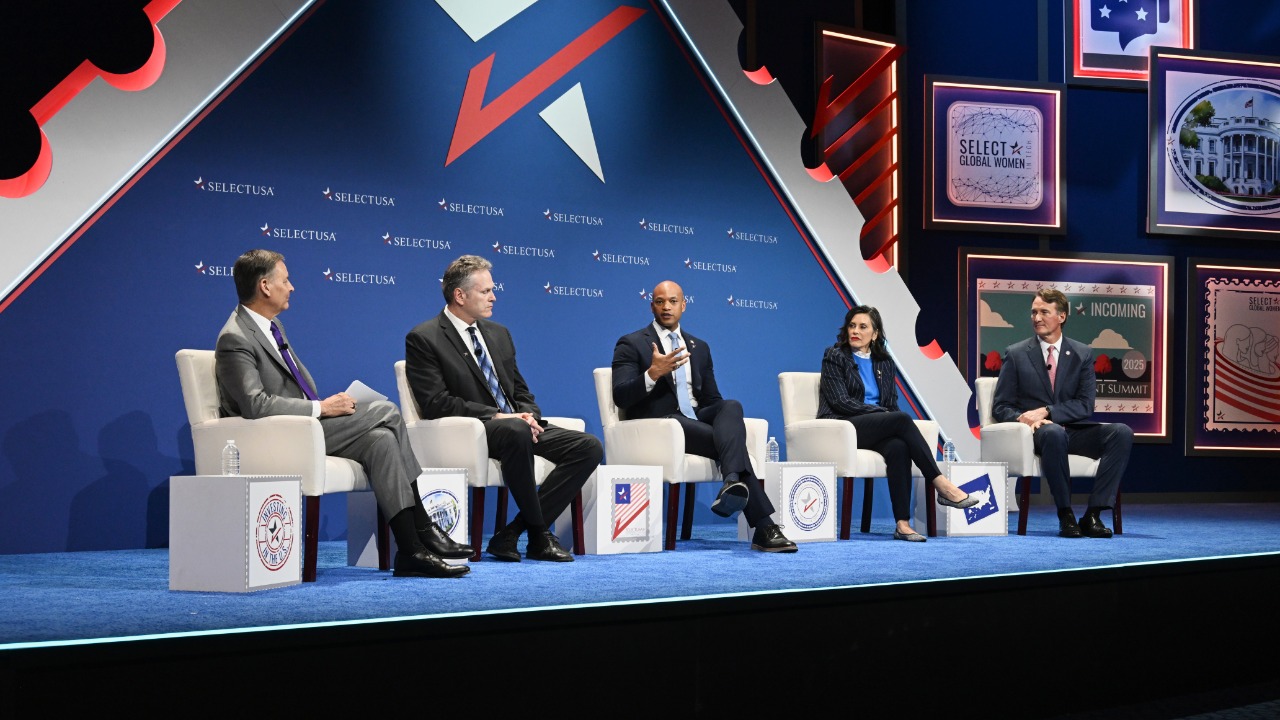
The plight of boys and men has become a priority for some Democrats, including Wes Moore and Gretchen Whitmer. As reported by NBC News, these political figures are increasingly recognizing the need to address gender-specific issues within the labor market. This focus underscores a growing awareness of the unique challenges faced by men in the workforce, particularly those with college degrees.
Addressing these challenges requires a nuanced understanding of the economic and social factors contributing to the stagnation of college-educated men. By prioritizing this issue, policymakers aim to develop strategies that promote equitable workforce participation and address the underlying causes of economic disparity. This approach could lead to more targeted interventions that support both men and women in achieving their career goals.
Historical Context and Recession Impact

Entering the job market during a recession exacerbates the challenges faced by recent graduates, worsening their long-term economic prospects. The UCLA Anderson Review highlights how economic downturns can have lasting impacts on new graduates, influencing their career trajectories for years. This historical context is crucial for understanding the current struggles of college-educated men.
The recession’s impact is particularly pronounced for those who graduate during economic downturns, as they often face limited job opportunities and lower starting salaries. These initial setbacks can have a ripple effect, affecting future earnings and career advancement. Understanding these dynamics is essential for developing policies that mitigate the long-term effects of economic recessions on new graduates.
Historically, economic recessions have had a profound impact on the job market, particularly for new entrants. The UCLA Anderson Review notes that graduates entering the workforce during a recession often face a ‘scarring effect,’ where the initial disadvantage in securing quality employment can persist throughout their careers. This effect is not only limited to immediate job prospects but also influences long-term career development, as individuals may miss out on critical early career experiences that shape future opportunities.
Moreover, the cyclical nature of recessions means that these impacts can compound over time, affecting entire cohorts of graduates. The economic instability associated with recessions can lead to shifts in industry demands, with some sectors contracting while others expand. This volatility requires graduates to be adaptable, often necessitating a reevaluation of career paths and skill sets. Understanding these historical patterns is essential for crafting policies that support economic resilience and provide targeted assistance to those entering the job market during challenging times.
Future Implications for the Job Market

The stagnation experienced by college-educated men may signal future trends in the labor market, affecting workforce dynamics and economic policies. As noted by Business Insider, understanding these trends is critical for shaping policies that support equitable workforce participation and economic stability. The challenges faced by this demographic could indicate a broader shift in the types of skills and experiences valued by employers.
As the job market continues to evolve, it is essential to monitor these trends and adapt policies accordingly. By addressing the specific challenges faced by college-educated men, policymakers can help ensure that the workforce remains dynamic and inclusive. This approach will not only benefit individuals but also contribute to a more resilient and adaptable economy.
The current challenges faced by college-educated men could have significant implications for the future job market. As industries continue to evolve, there is a growing emphasis on skills such as digital literacy, adaptability, and critical thinking, which may not always align with traditional educational pathways. According to Business Insider, this shift necessitates a reevaluation of educational curricula to better prepare graduates for the demands of modern workplaces.
Furthermore, the stagnation of college-educated men highlights the need for policies that promote lifelong learning and continuous skill development. As the job market becomes increasingly dynamic, workers must be equipped to navigate changes and seize new opportunities. Policymakers and educational institutions must collaborate to create frameworks that support ongoing education and training, ensuring that the workforce remains competitive and capable of meeting future economic challenges. By addressing these issues proactively, we can foster a more inclusive and adaptable job market that benefits all participants.

Grant Mercer covers market dynamics, business trends, and the economic forces driving growth across industries. His analysis connects macro movements with real-world implications for investors, entrepreneurs, and professionals. Through his work at The Daily Overview, Grant helps readers understand how markets function and where opportunities may emerge.

