
In a world where wealth inequality is becoming more pronounced, the idea of billionaires “buying” countries might seem far-fetched, yet intriguing. By examining economic factors, global wealth distribution, and political influence, we can start to understand what it might take for the world’s wealthiest individuals to exert influence over entire nations.
The Concept of Buying a Country

Historically, the idea of acquiring land and sovereignty through purchase is not entirely new. The Louisiana Purchase serves as a classic example of land acquisition that significantly altered national boundaries and political power. In modern times, however, the concept faces major legal and ethical constraints. Today’s international laws are designed to protect national sovereignty, making the outright purchase of a country nearly impossible.
From a theoretical standpoint, “purchasing” a country involves understanding both economic feasibility and legal ramifications. A country might be considered more “buyable” if it has a small economy, a high level of debt, or significant reliance on foreign investments. However, even if a billionaire could theoretically offer enough money to cover a nation’s economic needs, the legal framework of international relations and sovereignty rights would pose significant barriers.
Economic Power and Influence
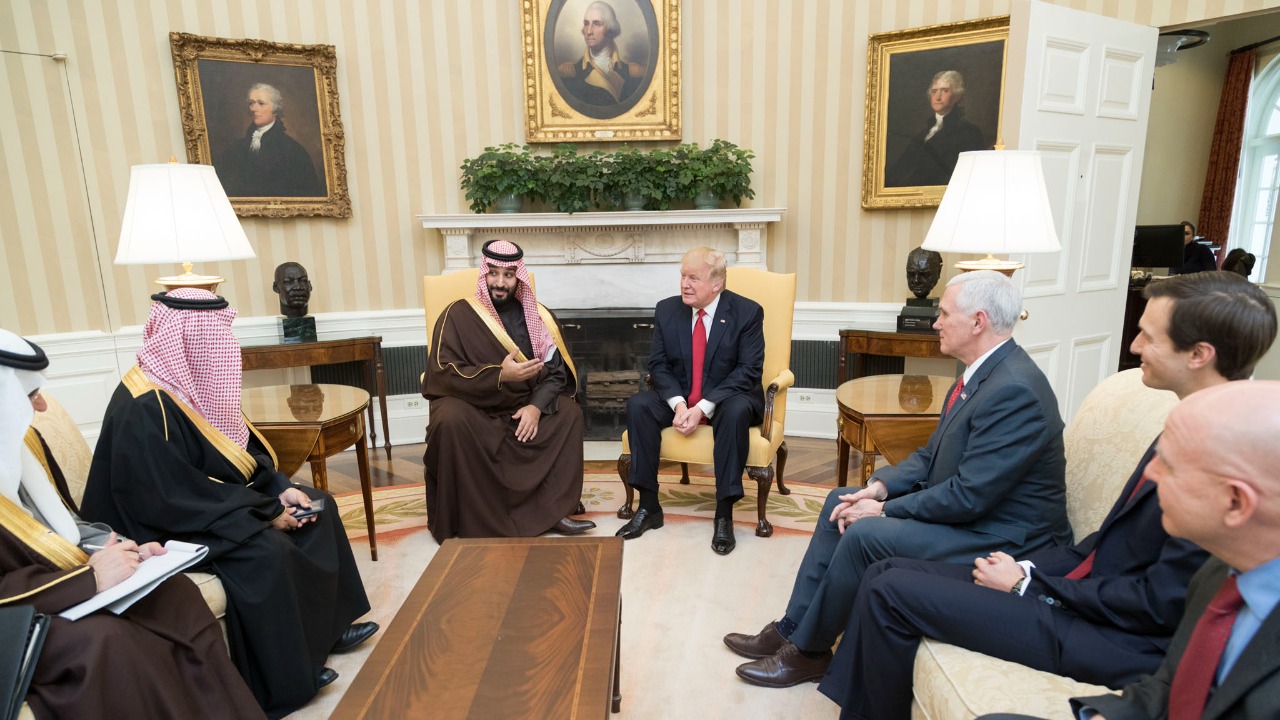
The wealth distribution among billionaires is remarkably concentrated. Analyzing the Forbes list gives us a glimpse into how a small number of individuals control a massive portion of global wealth. When compared to national GDPs, it becomes evident that several small nations have economies dwarfed by the net worth of the world’s richest people.
Potential targets for such a hypothetical country purchase would be small economies that are particularly vulnerable due to economic dependency and foreign investment. Countries with GDPs lower than the net worth of some billionaires might theoretically be more susceptible to foreign influence, though this would also depend heavily on their political stability and governance structures.
Case Studies: Could it Really Happen?
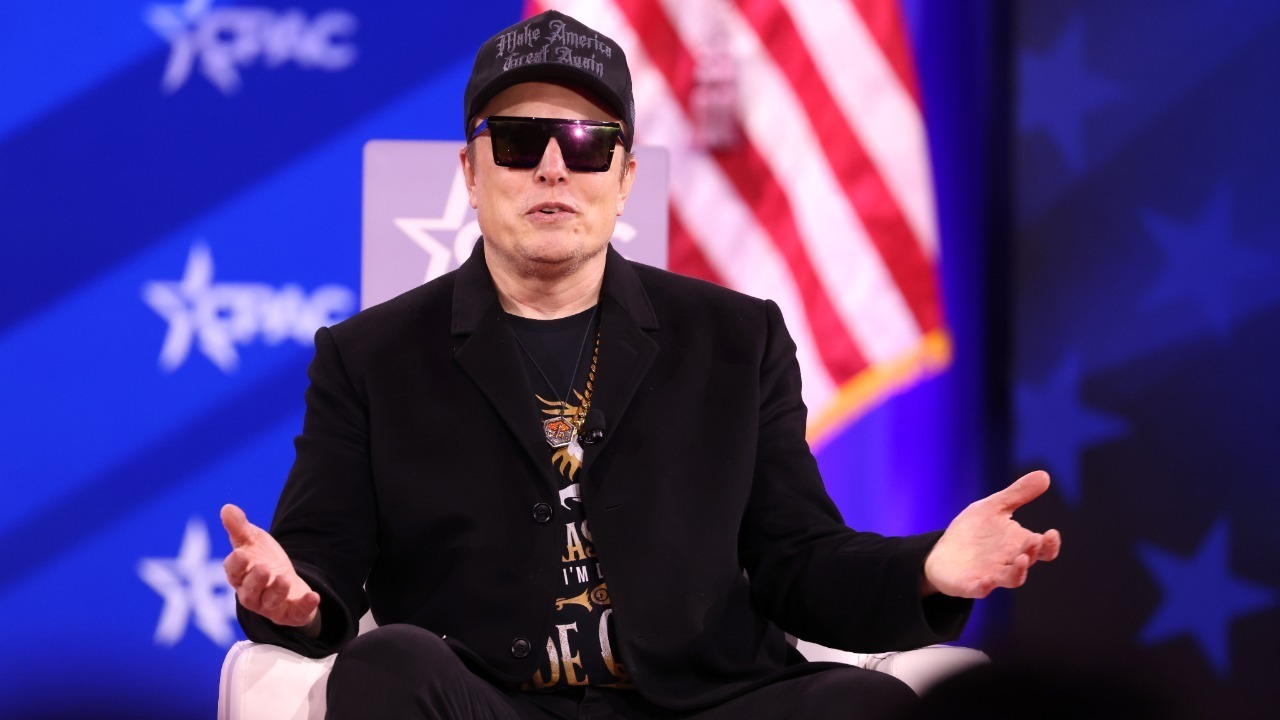
Imagine a scenario where a billionaire attempts to “buy” a small nation or territory. The feasibility of this would largely depend on the country’s political stability and governance. For example, a nation experiencing political turmoil might be more open to foreign influence or even financial rescue, albeit under strict conditions and negotiations.
In reality, significant billionaire influence has been observed in various national economies. For instance, certain billionaires have played pivotal roles in shaping economic policies or have invested heavily in national infrastructure projects. These real-world examples show how billionaires can have a substantial impact, although not through outright ownership of a country. The influence of billionaires on political landscapes is also significant, affecting everything from elections to policy-making.
Ethical and Social Implications

The ethics of wealth concentration and national sovereignty is a topic of intense debate. The notion of a billionaire owning a country raises moral questions about the impact on democratic processes and citizen rights. There are concerns that such influence could undermine the principles of democracy and lead to a new form of colonialism.
For the “purchased” nation, the socio-economic consequences could be profound. While foreign investment might bring economic benefits or development, it could also lead to exploitation and increased inequality. The long-term implications for global inequality are troubling, potentially exacerbating the divide between rich and poor on an international scale.
The Role of Global Governance
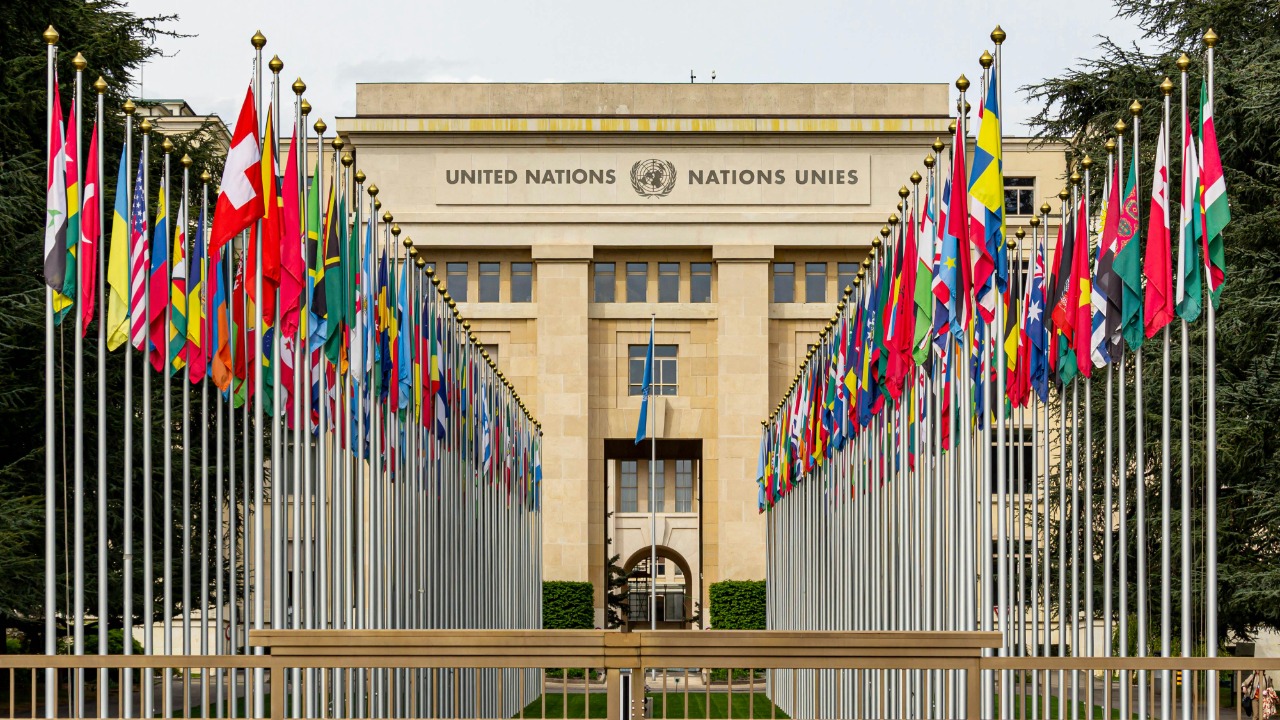
International laws and regulations exist to protect national sovereignty from being compromised by external forces. Treaties and agreements, along with the role of organizations like the United Nations, ensure that national ownership remains a complex and legally protected concept. The international community aims to prevent any single entity from exerting undue influence over a sovereign nation.
Potential policy responses to billionaire influence could include proposals for wealth redistribution and promoting equity. Strengthening international cooperation is essential to prevent economic domination by a small number of wealthy individuals. According to experts like Robert Reich, addressing wealth concentration requires a concerted effort from global governance bodies to maintain balance and protect the interests of all nations.

Grant Mercer covers market dynamics, business trends, and the economic forces driving growth across industries. His analysis connects macro movements with real-world implications for investors, entrepreneurs, and professionals. Through his work at The Daily Overview, Grant helps readers understand how markets function and where opportunities may emerge.

