
When a homeowner passes away before fully paying off their mortgage, the future of the home and the financial obligations tied to it can become a source of uncertainty for the surviving family members. Many Canadians remain unaware of the processes involved in such situations, which can lead to confusion and stress during an already difficult time. In some instances, like the case of a paramedic who died while on duty, the mortgage may be paid off, providing significant relief to the bereaved family.
Common Outcomes for Mortgages After Death
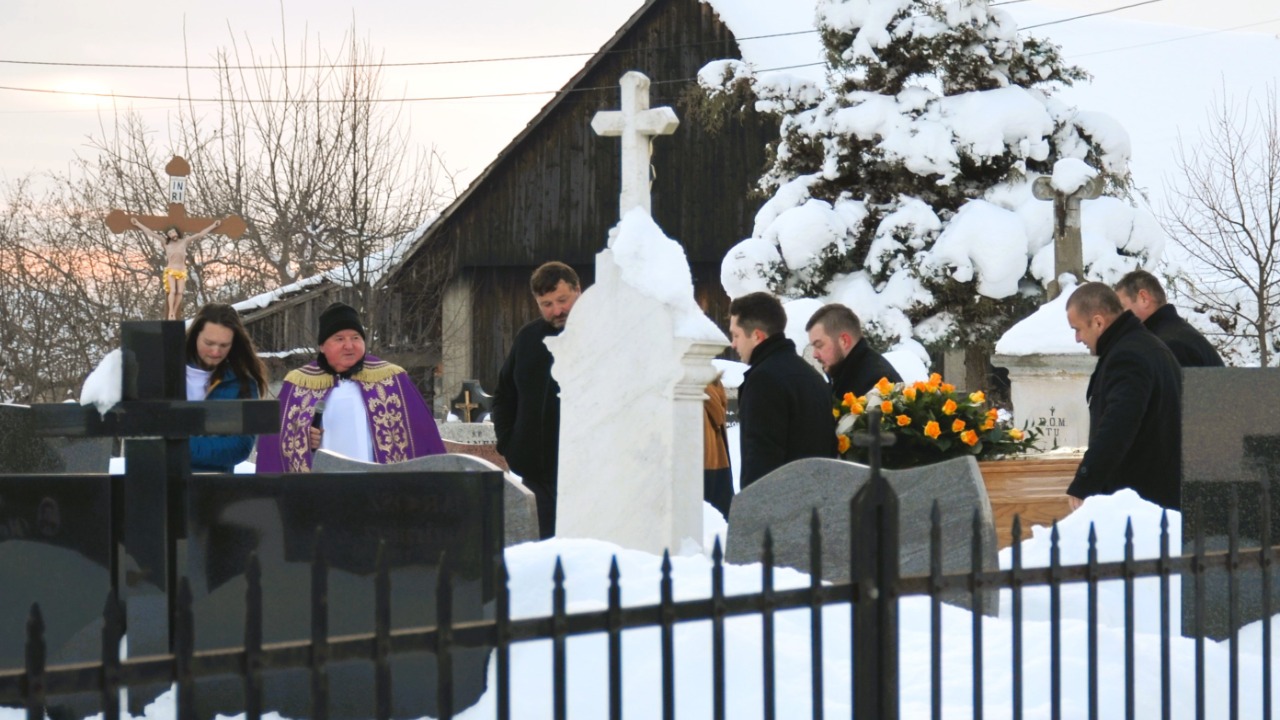
Typically, when a homeowner dies before the mortgage is settled, the responsibility for the remaining debt falls to the estate or the next of kin. According to a report by the Wall Street Journal, the estate is generally responsible for settling any outstanding debts, including mortgages. If the estate lacks sufficient funds, the heirs may choose to continue making payments to retain ownership of the property.
In some cases, the deceased may have had mortgage protection insurance, which can cover the outstanding balance of the mortgage. This type of insurance can be a crucial safety net for families, ensuring that they are not burdened with unexpected financial obligations. As noted by NerdWallet, mortgage protection insurance can provide peace of mind by ensuring that the mortgage is paid off in the event of the policyholder’s death.
Role of Guarantors and Collateral

The role of guarantors in mortgage agreements can complicate matters further. For example, if a mother acts as a guarantor for her son’s mortgage using her home as collateral, questions arise about what happens if she passes away. According to MarketWatch, the implications for the guarantor’s estate and the original borrower require careful legal and financial planning to avoid potential pitfalls.
In such scenarios, the estate of the deceased guarantor may be responsible for fulfilling the obligations tied to the collateral. This situation underscores the importance of having a clear and comprehensive estate plan that addresses all potential liabilities and ensures that the intentions of the deceased are honored. Legal advice can be invaluable in navigating these complex situations, ensuring that both the guarantor’s and the borrower’s interests are protected.
Impact of Mortgage Protection Insurance

Mortgage protection insurance can significantly impact the financial stability of a family following the death of a homeowner. This insurance is designed to cover the remaining mortgage debt, providing a safety net that can prevent the loss of the family home. As highlighted by WDBJ7, a family experienced this relief firsthand when their mortgage was paid off after the father, a paramedic, died on duty.
This type of insurance can be particularly beneficial for families who might otherwise struggle to meet mortgage payments after losing a primary income earner. By ensuring that the mortgage is paid off, the insurance allows the family to focus on healing and adjusting to their new circumstances without the added stress of financial uncertainty. As NerdWallet explains, mortgage protection insurance can be a wise investment for homeowners looking to safeguard their family’s future.
Legal and Financial Considerations

The legal process following a homeowner’s death involves the probate court, which determines how the deceased’s assets, including real estate, are distributed. According to the Wall Street Journal, this process can be complex and time-consuming, highlighting the importance of having a will or estate plan in place.
Having a detailed estate plan can help ensure that the homeowner’s wishes regarding the disposition of their property are clearly outlined and legally binding. This planning can prevent disputes among heirs and provide clarity on how debts, including mortgages, should be handled. As noted by MPA Magazine, many Canadians are unaware of these processes, underscoring the need for increased awareness and education on estate planning and mortgage management.
In addition to probate, the legal landscape surrounding mortgages after a homeowner’s death involves understanding the rights of the lender and the obligations of the heirs. The lender retains the right to foreclose on the property if mortgage payments are not maintained, which can add pressure on the heirs to act swiftly. As highlighted by the Wall Street Journal, understanding these rights and obligations is crucial for heirs to make informed decisions about whether to sell the property, refinance the mortgage, or continue making payments.
Financial considerations also play a significant role, as the heirs must evaluate their ability to manage the mortgage payments alongside other potential debts of the estate. Consulting with financial advisors can provide valuable insights into managing these obligations effectively. As noted by MPA Magazine, many Canadians lack awareness of these financial intricacies, which underscores the importance of proactive financial planning and education to mitigate the risks associated with inheriting a mortgaged property.

Elias Broderick specializes in residential and commercial real estate, with a focus on market cycles, property fundamentals, and investment strategy. His writing translates complex housing and development trends into clear insights for both new and experienced investors. At The Daily Overview, Elias explores how real estate fits into long-term wealth planning.

