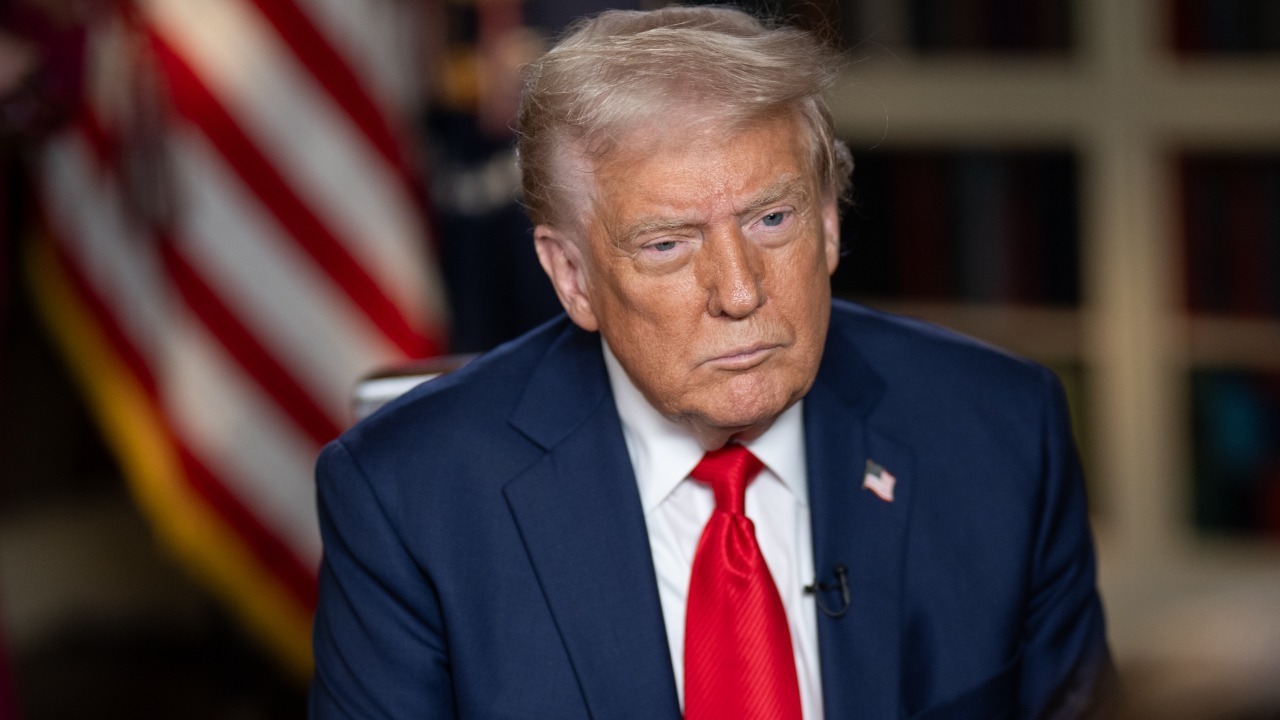
Debanking, once an obscure industry term, is suddenly at the center of a high-stakes political and legal fight. President Donald Trump has filed a multibillion-dollar lawsuit accusing one of the world’s largest banks of using account closures as a weapon against him. The case turns a technical question about risk management into a test of how much power financial institutions should have over access to basic money services.
To understand why Trump is suing JPMorgan and its chief executive, Jamie Dimon, it helps to unpack what debanking is, how it works in practice, and why it has become a flashpoint in debates over political influence, corporate responsibility, and free expression.
What “debanking” actually means
In banking jargon, debanking (also spelled de-banking) refers to the closure of an individual’s or organization’s accounts and the withdrawal of access to financial services. According to the standard definition, it is also known within the industry as de-risking, a term that highlights how banks frame these decisions as efforts to reduce exposure to legal, regulatory, or reputational threats. When a customer is debanked, they can lose the ability to hold deposits, send and receive payments, or process card transactions, which can effectively cut them off from many activities in society, a reality captured in the description of Debanking.
In practice, debanking can hit a wide range of targets, from small charities and politically exposed individuals to entire industries that banks decide are too risky. Sometimes the trigger is regulatory pressure, such as anti–money laundering rules, and sometimes it is a bank’s own assessment that a client’s activities or public profile could damage its brand. Because banks are private entities, they generally have broad discretion to terminate relationships, but critics argue that when major institutions dominate the market, losing an account can feel less like a private contract dispute and more like being locked out of the modern economy.
Trump’s $5 billion claim against JPMorgan
Against that backdrop, President Donald Trump has launched an aggressive legal challenge against JPMorgan Chase and its leadership. Earlier this month, he filed a lawsuit seeking $5 billion in damages, accusing the bank of closing his accounts for political reasons rather than legitimate risk concerns. One detailed account of the complaint notes that Trump is suing JPMorgan Chase and its CEO, Jamie Dimon, over what he describes as targeted debanking, a move he says violated the bank’s own standards and internal processes, as reflected in coverage of how President Donald Trump escalated the dispute.
The lawsuit, filed in a Florida court, alleges that JPMorgan’s decision to terminate accounts tied to Trump and his businesses was not a neutral business judgment but a response to political pressure and public controversy. According to reporting on the complaint, Trump argues that the bank’s actions were part of a broader pattern of discrimination against him as a high-profile political figure, and that the closures caused significant financial harm and reputational damage. By putting a $5 billion figure on the claim, he is signaling that he sees the alleged debanking not as a routine account change but as a major economic and constitutional affront.
How the complaint frames “weaponized” banking
Trump’s legal team is not just arguing that JPMorgan made a bad call, it is accusing the bank of turning financial infrastructure into a political tool. In one description of the filing, the complaint is characterized as a $5 billion lawsuit against JPMorgan over account closures, with President Don, identified as President Donald Trump, asserting that the bank’s conduct crossed the line from risk management into targeted punishment. That framing appears in summaries of how Trump Files a Billion Lawsuit Against JPMorgan Over Account Closures, emphasizing that the dispute is not just about contract terms but about alleged political bias.
Another passage from the same complaint, as described in financial reporting, goes further and portrays the closures as part of a broader “weaponization of the banking sector.” In that telling, Trump claims that banks like JPMorgan are using their gatekeeping power over accounts and payment systems to enforce ideological conformity, punishing customers whose views or affiliations clash with what he calls the prevailing political tide. That language is reflected in accounts of how the complaint, according to one review, accuses the bank of contributing to the weaponization of the banking sector, a phrase that resonates with broader conservative concerns about corporate power.
JPMorgan, Jamie Dimon, and the political backdrop
JPMorgan Chase, for its part, has rejected the premise that it engaged in political retaliation. The bank has said that the lawsuit has no merit and that its decisions about client relationships are grounded in standard risk and compliance assessments. One detailed report notes that President Donald Trump sued JPMorgan, Jamie Dimon, and Chase and that the bank responded by insisting that its account closures were justified and not driven by partisan considerations, a stance captured in coverage of how Trump sues Jamie Dimon and Chase and how the institution pushed back.
The presence of Jamie Dimon as a named defendant adds a personal dimension to what might otherwise be a corporate dispute. Dimon is one of the most prominent figures in global finance, and Trump’s decision to single him out underscores the political theater surrounding the case. At the same time, the bank’s response suggests it wants to keep the focus on internal policies and regulatory obligations rather than on any personal or ideological clash with the president. That tension between individual accountability and institutional process is likely to be a key theme as the case moves through the courts.
Why this fight matters beyond Trump
Although Trump is the plaintiff, the issues raised in his lawsuit reach far beyond one politician’s relationship with a single bank. The complaint argues that JPMorgan breached its own internal rules by allegedly allowing political considerations to influence account closures, and that it did so in response to what Trump’s team describes as the prevailing political tide. One detailed analysis of the filing notes that Trump, identified as US President Donald Trump, has taken the case to a court in Miami-Dade County and accuses the bank of politically driven debanking that tracks the prevailing “political tide,” a characterization reflected in reporting that Trump files a $5bn lawsuit accusing JPMorgan of politically driven debanking.
If a court were to accept the idea that a major bank used its control over accounts to punish a sitting president for political reasons, it could open the door to new legal limits on how financial institutions manage reputational risk. On the other hand, if JPMorgan successfully defends its discretion to close accounts, the outcome could reinforce banks’ broad authority to decide which customers they serve, even when those decisions affect powerful public figures. Either way, the case is likely to shape how regulators, lawmakers, and the public think about debanking, not just for controversial politicians but for activists, nonprofits, and businesses that find themselves on the wrong side of a bank’s risk calculus.
More From The Daily Overview
*This article was researched with the help of AI, with human editors creating the final content.

Silas Redman writes about the structure of modern banking, financial regulations, and the rules that govern money movement. His work examines how institutions, policies, and compliance frameworks affect individuals and businesses alike. At The Daily Overview, Silas aims to help readers better understand the systems operating behind everyday financial decisions.

