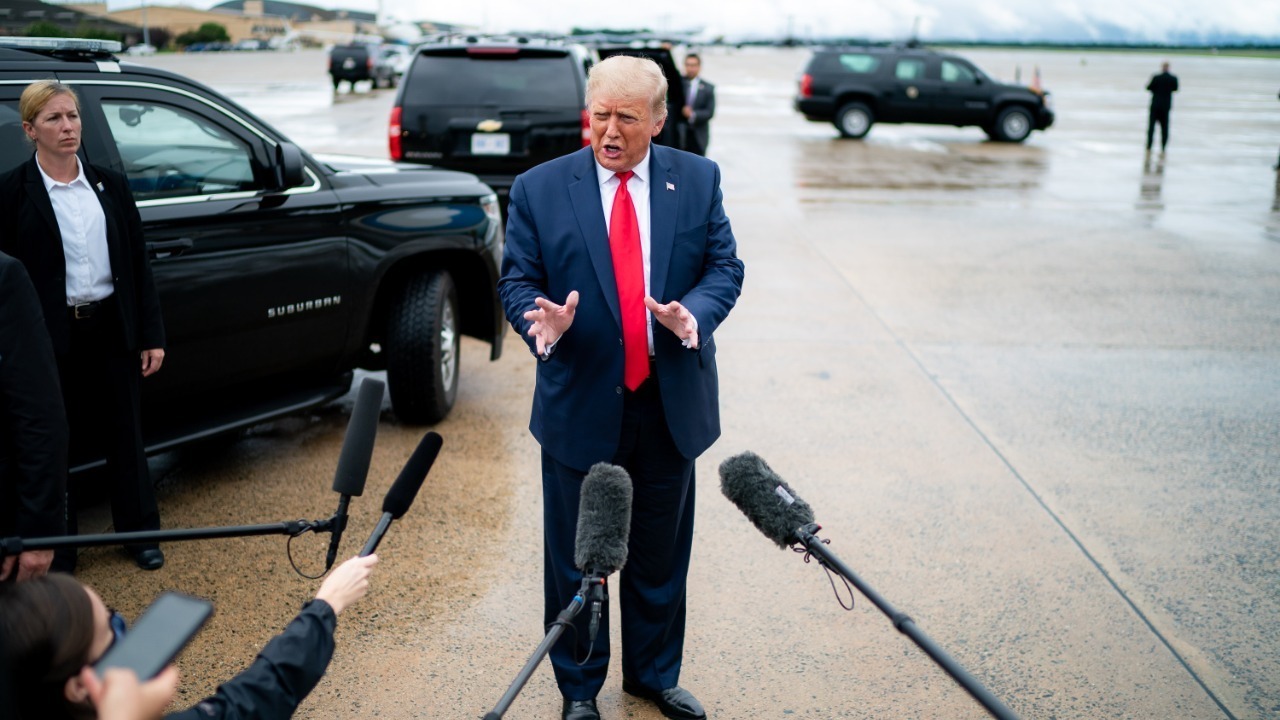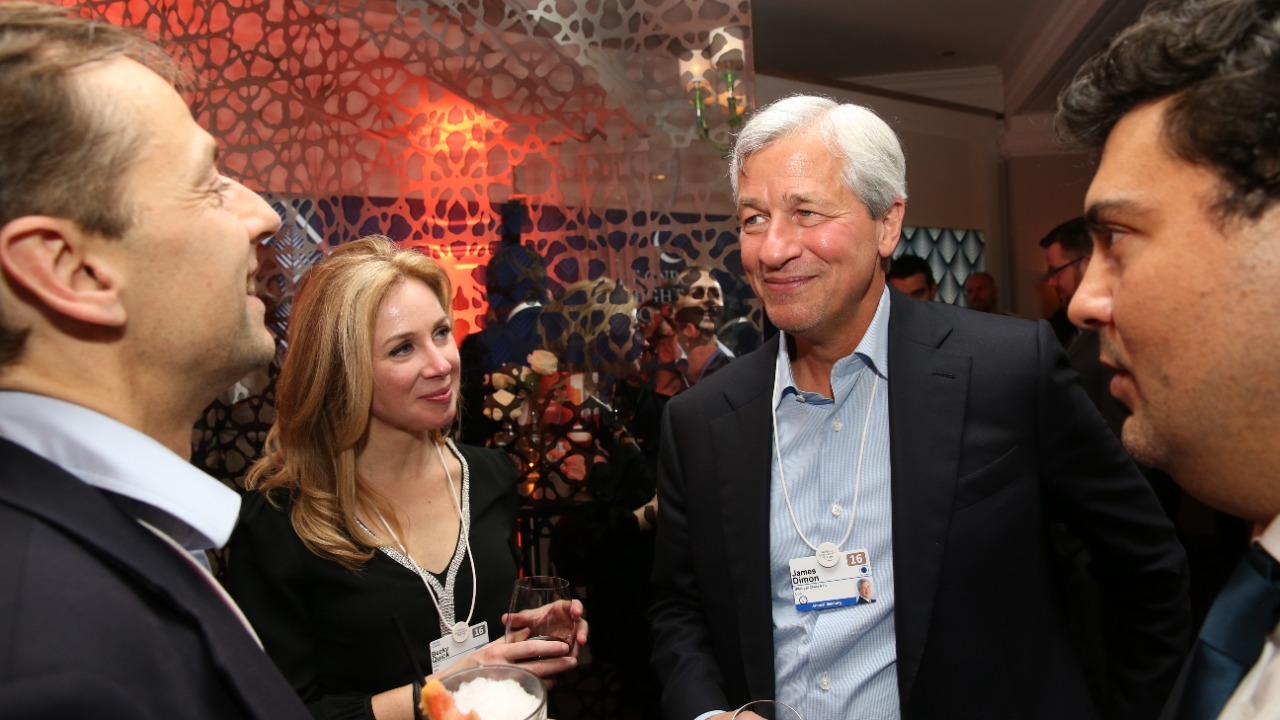
President Donald Trump’s call for a one year, 10% ceiling on credit card interest has put Wall Street’s most powerful executives on the spot. The idea sounds simple and popular, but the people who actually run the card business say it would ripple through everything from bank earnings to who gets approved for plastic in the first place. Their reactions reveal less about partisan loyalties than about how they think modern consumer credit really works.
From Jamie Dimon to Jane Fraser, the message from big bank chiefs is remarkably consistent: they see the cap as politically attractive but economically blunt, and in some cases unworkable. Around the edges, though, there are important differences in tone, with some executives openly predicting the proposal will die in Congress and others warning that, if it does not, the industry that funds everyday spending for millions of Americans will be forced to reinvent itself in ways cardholders may not like.
Why Trump’s 10% cap landed like a thunderclap on Wall Street
The starting point for understanding the backlash is the gap between Trump’s proposed ceiling and where the market actually sits. According to the Federal Reserve’s consumer credit report, the average interest rates on credit cards in November stood at 20.97%, more than double the level the White House wants to impose. That spread is not just profit, it is also how banks price in fraud, charge offs and the cost of lending to people with thin or damaged credit files. Slashing it to 10% overnight would force lenders to rethink who qualifies and on what terms.
After Trump called Friday for a one year, 10% cap on credit card interest rates, beginning Jan. 20, the industry’s trade groups and top executives quickly framed the plan as a shock to the system rather than a tweak. In their telling, the proposal is not a targeted crackdown on abusive pricing but a sweeping intervention that would hit everything from rewards programs to small business credit lines. That is why, in the days that followed, bank leaders began warning that the cap would “significantly” change how cards work, even before the administration had filled in basic details about enforcement or exemptions.
Jamie Dimon’s warning and the JPMorgan view
No chief executive has been more central to the debate than Jamie Dimon, whose bank is one of the country’s largest card issuers. In an earnings discussion highlighted by Dive Insight, JPMorgan’s finance team said a cap at 10% would “significantly change” the card business, a phrase that in banking is usually code for fewer approvals, higher fees or both. The bank’s argument is straightforward: if regulators compress interest margins that much, lenders will respond by tightening underwriting and looking for revenue elsewhere, which could mean annual fees, reduced grace periods or weaker rewards.
Dimon has also linked the credit card fight to a broader concern about political interference in monetary policy. On Thursday, Dimon reiterated his opposition to interfering with the Fed’s independence, a stance that has put him at odds with Trump on more than one front. In a recent interview, he was quoted reacting to speculation about his own future in public service with a dry aside that began, “Maybe he makes more money that way,” before stressing that he would not run the Fed and that the central bank should remain insulated from day to day politics. That same instinct, to keep pricing decisions grounded in risk and market data rather than campaign promises, underpins his skepticism about a hard cap on card rates, a point that has been underscored in coverage of his comments on the Fed.
Jane Fraser’s blunt assessment and the “no chance” camp
While Dimon has focused on the mechanics, Citigroup’s leader has been more dismissive of the proposal’s prospects. At Davos, Jane Fraser, the CEO of Citigroup, was asked whether Trump’s cap could realistically make it through Capitol Hill. Her answer, according to one account, was a definitive “No,” as she explained that she does not think the proposal has a shot of passing Congress. For Fraser, the politics are as important as the economics: she is signaling to investors and employees that, in her view, the legislative process will filter out what she sees as an unworkable idea long before it hits her balance sheet.
Citigroup CEO Jane Fraser has also joined other bank chiefs in stressing that the administration has not yet explained how the plan would be executed or how banks will be made to comply. In remarks cited in a separate report, she is described as part of a group of executives who are pushing back on Trump’s call for a credit card interest rate cap, arguing that the lack of detail makes it impossible to model the impact on lending or capital. That skepticism is reflected in coverage of bank CEOs who say they cannot yet see a path from a campaign style promise to a workable statute, and in the Davos exchange that highlighted Fraser’s view of Congress’s appetite for such a sweeping change, as reported in a separate interview.
“Unintended consequences” and the access to credit debate
Beyond individual CEOs, the industry’s collective message has coalesced around a single phrase: unintended consequences. In a summary of their reactions, one key insight was that Bank CEOs are expressing alarm about the potential impact on access to credit, warning that a hard ceiling could push lenders to pull back from riskier borrowers. That concern, captured in reporting that notes how Bank CEOs have begun to speak out publicly, is not just about profits. It is about whether people with lower credit scores will still be able to get a card at all if banks cannot charge rates that reflect the higher risk of default.
That argument has been echoed by outside analysts who track the sector. One detailed breakdown of the proposal noted that no wonder bank executives are pushing back on a price cap, because “People will lose access to credit… that is a pretty severely negative consequence,” and warned that if regulators squeeze interest margins, the cost will simply be repriced into the business in other ways. The same analysis, which examined how card portfolios would have to be restructured, suggested that rewards programs and promotional offers would likely be scaled back as issuers tried to preserve returns. It is a view that aligns with the industry’s broader claim that a cap would not eliminate the cost of risk, it would just shift it, a point underscored in the Trump Cards analysis that quoted People losing access to credit as a central risk.
Beyond banks: airlines, fintech and Trump’s counterattack
The pushback is not limited to traditional banks. Ed Bastian, the CEO of Delta Air Lines, has warned that the proposed cap would “upend the whole credit card industry,” a striking comment from an executive whose company relies heavily on co branded cards for loyalty revenue. Delta’s partnership economics depend on interchange fees and interest income that flow through its card issuer, so a 10% ceiling could force a renegotiation of the deals that fund SkyMiles bonuses and companion tickets. Bastian’s warning, reported alongside other business leaders’ reactions, shows how deeply embedded card economics are in sectors far beyond Wall Street, a point that came through clearly in coverage of Ed Bastian and his peers.
More From TheDailyOverview

Silas Redman writes about the structure of modern banking, financial regulations, and the rules that govern money movement. His work examines how institutions, policies, and compliance frameworks affect individuals and businesses alike. At The Daily Overview, Silas aims to help readers better understand the systems operating behind everyday financial decisions.