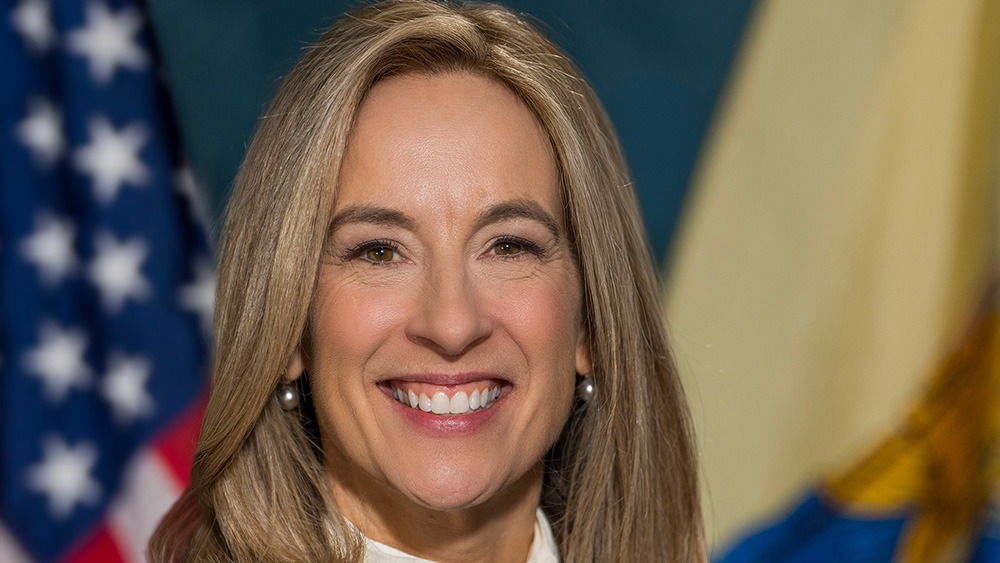
New Jersey’s new governor has turned her inauguration into an emergency intervention on household energy costs, declaring a formal crisis and ordering regulators to blunt looming rate hikes. The moves are pitched as immediate relief for families staring down higher electric bills and as a reset of how the state buys and produces power in the first place. What that actually means for monthly statements is more complicated than a single headline, and it will unfold over the next several billing cycles rather than overnight.
At the center of the plan are new credits on electric bills, a legal state of emergency, and a push to accelerate solar, storage, and other projects that could eventually cut New Jersey’s dependence on imported power. I see a strategy that mixes short term subsidies with longer term structural change, and the balance between those two will determine whether this “utility cost emergency” feels like a temporary patch or a real turning point for ratepayers.
How Executive Order No. 1 touches your bill
The most direct lever on household budgets is Executive Order No. 1, which instructs the state’s Board of Public Utilities to create “Residential Universal Bill Credits” that will show up on electric bills as line item discounts. The order tells the Executive Order No and the Board of Public Utilities to use these Residential Universal Bill Credits to offset increases in the supply portion of electric rates that are tied to regional market conditions. In practical terms, that means the state is stepping in between you and the regional grid operator PJM, which the governor has accused of mismanagement that is driving “unsustainable rising costs,” and using state authority to cushion the impact of those higher wholesale prices.
The credits are not theoretical, they are on a timetable. Her first order directs the Board of Public Utilities to issue the first wave of Residential Universal Bill Credits by July 1, 2026, so customers should not expect to see them on the very next bill but rather as a mid year adjustment once regulators finalize the program design. The same directive, described in detail in a separate account of Her first order, also ties the credits to broader affordability and energy efficiency efforts, signaling that the state wants to pair bill relief with programs that reduce usage. For a typical household, the bottom line is that some portion of the expected increase in electric supply charges will be netted out by a state funded credit later this year, though the exact dollar amount per customer is not yet specified in the available reporting, which makes the precise savings Unverified based on available sources.
The emergency declaration and what it unlocks
Alongside the credits, Gov. Mikie Sherrill has declared a formal State of Emergency on energy costs, using the Disaster Control Act and related powers to speed up decisions that would normally take months or years. One executive order explicitly declares a State of Emergency under the Disaster Control Act and creates expedited state processes for energy projects, including transmission upgrades and even the possibility of building new nuclear power generation. In her inaugural speech, the New Jersey governor used that emergency framing to argue that utility costs have become an immediate threat to household stability, and she signed two executive orders on the spot to respond to rate hikes and supply increases expected in 2026, a sequence described in coverage of New Jersey and Gov. Mikie Sherrill’s actions.
From a consumer perspective, the emergency declaration matters less for what it does to this month’s bill and more for how it changes the pace of infrastructure decisions that shape rates over the next decade. One analysis of the six executive orders signed on day one notes that the What New Jersey Gov, Mikie Sherrill did on Wednesday was to pair immediate bill credits with a mandate to figure out longer term projects that can stabilize prices. By invoking emergency powers, the administration is betting that faster permitting for transmission lines, storage facilities, and possibly new nuclear units will eventually reduce the state’s exposure to volatile imported electricity, which currently supplies more than 40% of New Jersey’s power according to a separate briefing that cites that 40% figure. The tradeoff is that emergency processes can compress public input and oversight, a tension that will shape how communities experience the build out that follows.
Why PJM and regional markets are in the crosshairs
To understand why the governor is using state money to offset rate hikes, it helps to look at who she is blaming. In an official Statement as Governor, Mikie Sherrill endorsed a set of Governors’ Principles for PJM and said plainly that “Rising electric bills are the number one concern” she hears from residents, tying those bills to PJM’s mismanagement and unsustainable rising costs. Executive Order No. 1, as described in the governor’s own summary of Executive Order No. 1, uses state authority to offset upcoming rate increases that are attributed to PJM’s capacity market and planning decisions, and it directs agencies to rapidly deploy new energy projects that can reduce reliance on that regional system.
Independent coverage of the new governor’s energy agenda underscores that these “Rate Cost Offsets” are a central feature of the plan. One detailed account of how the administration is confronting the electricity crisis notes that Sherrill’s first order directs the BPU to create Residential Universal Bill Credits to “offset increases in the supply portion of residential electric bills,” describing these as Rate Cost Offsets that respond directly to PJM driven hikes. Another breakdown of the same order explains that the Sherrill directive tasks the BPU with designing the Residential Universal Bill Credits in a way that protects the State’s economic stability and growth. For households, the key takeaway is that a portion of the bill relief is essentially a hedge against regional market volatility, funded and structured at the state level rather than negotiated with PJM itself.
Short term protections: credits and shutoff bans
Even before Mikie Sherrill took office, New Jersey had a seasonal backstop for the most vulnerable customers in the form of the Winter Termination Program, which prevents eligible households from having their utilities disconnected during the coldest months. The Board of Public Utilities has explained that this program is Running from November 15, 2025, through March 15, 2026, and that it protects electric, gas, water, and sewer service so that participants can maintain heat and water throughout the winter season. A related notice emphasizes that the Winter Termination Program Now Active keeps Eligible NJ Households Protected from Utility Shutoffs Through March, underscoring that the state is using both bill credits and disconnection bans to keep people connected, as described in the Winter Termination Program announcement.
Layered on top of that seasonal shield are the new Residential Universal Bill Credits and related affordability measures. One detailed explanation of the governor’s first order notes that Executive Order No. 1 tells the Board of Public to provide Residential Universal Bill Credits in order to protect the State’s economic stability and growth as electric supply costs spike. Another account of the same move explains that Other provisions of her order expand relief and energy efficiency programs, suggesting that low income customers could see both direct credits and help reducing consumption. Taken together, the emergency declaration, the credits, and the shutoff moratorium form a short term safety net that should keep more households from falling into arrears or losing service as rates climb, even if the exact size of the credits remains Unverified based on available sources.
More From TheDailyOverview
*This article was researched with the help of AI, with human editors creating the final content.

Grant Mercer covers market dynamics, business trends, and the economic forces driving growth across industries. His analysis connects macro movements with real-world implications for investors, entrepreneurs, and professionals. Through his work at The Daily Overview, Grant helps readers understand how markets function and where opportunities may emerge.

