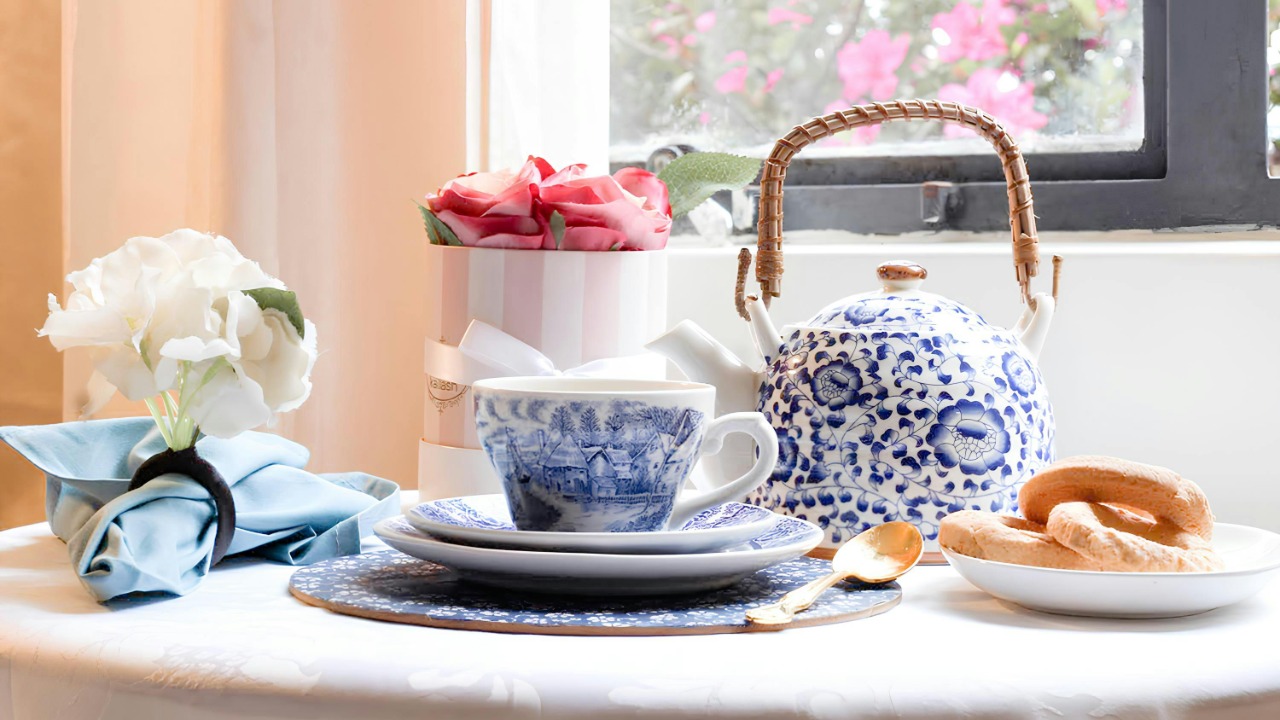
Assessing the value of your grandma’s china can be a sentimental and financially rewarding task. Before you part with these potentially valuable pieces, it’s important to take thoughtful steps to ensure you maximize your returns and preserve any cherished family history. Here’s a helpful guide to navigate the process smoothly.
Assess the Collection’s Condition
The first step in selling your grandma’s china is to thoroughly assess the condition of each piece. Carefully inspect for any chips, cracks, or signs of wear. Even minor imperfections can significantly impact the value, so it’s important to be honest about the condition when selling. Use a magnifying glass to check for hairline cracks that might not be visible at first glance.
Consider enlisting the help of a professional appraiser if the set is extensive or potentially valuable. They can provide you with a detailed condition report, which can be very useful when communicating with potential buyers. This can add credibility to your listing and assure buyers of the china’s quality.
Research the Market Value

Understanding the market value of your china is crucial before you set a price. Start by researching similar pieces on auction sites like eBay or Etsy. Take note of the prices and how they vary based on the condition and rarity. It might be beneficial to visit websites specializing in antique china, such as The Simple Daisy, for more insights on current market trends.
Keep in mind that the market for antique china can fluctuate. A pattern that is highly sought after today may not be as popular tomorrow. Therefore, it’s wise to keep an eye on market trends and adjust your expectations accordingly.
Authenticate and Identify the Pieces
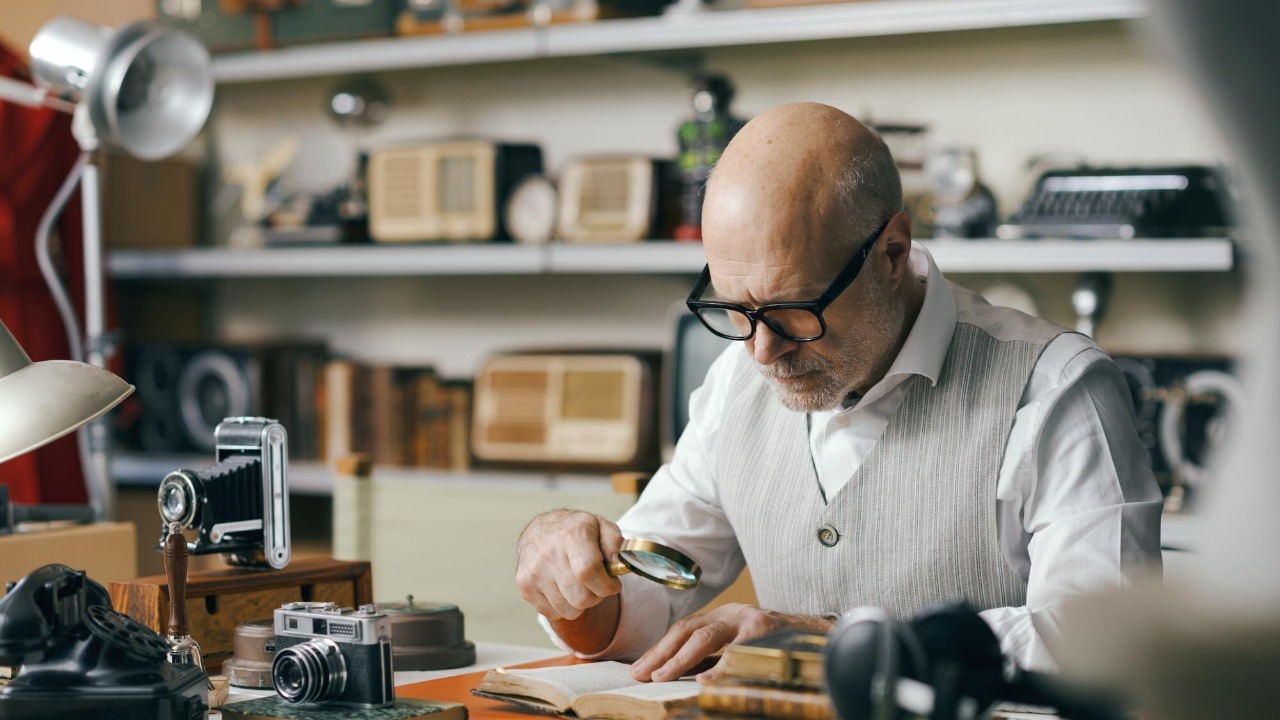
Authenticating and identifying your china is an essential step to ensure you are aware of what you have. Look for maker’s marks often found on the bottom of plates and cups. These marks can provide information about the manufacturer and the age of the pieces. Use collector’s guides or websites dedicated to china identification to match these marks with known manufacturers.
If you’re unsure about the authenticity, consider reaching out to an expert or a professional appraiser who can verify the pieces for you. Authentication can significantly affect the value, especially if your china is from a renowned manufacturer or part of a limited edition series.
Set a Realistic Price

Once you have a clear understanding of the condition and market value, it’s time to set a realistic price. Consider both the market research and the sentimental value attached to the pieces. While it might be tempting to set a high price, overly ambitious pricing can deter potential buyers.
Be open to negotiations; buyers often expect some flexibility. Research how similar items are priced and sold, and use this information to set a price that is competitive yet fair. Remember that pricing can also depend on the platform you choose to sell on, so factor in any fees or commissions that might affect your net profit.
Choose the Right Selling Platform
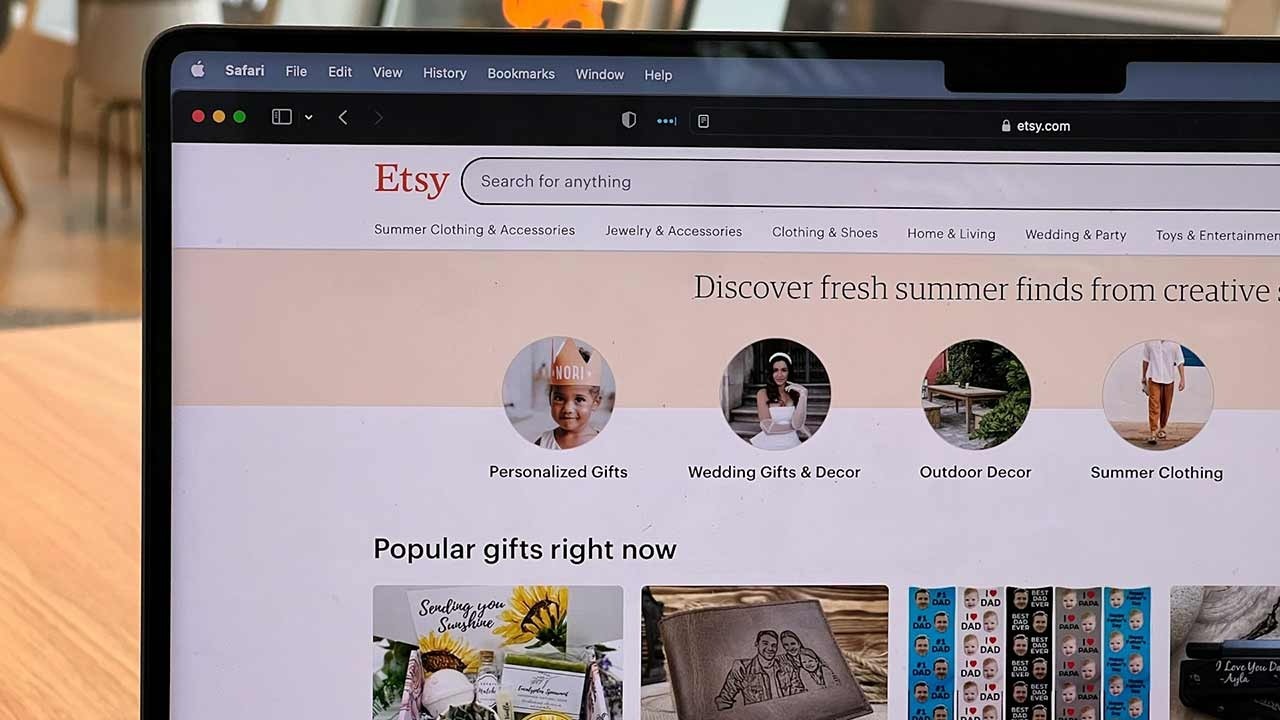
Choosing the right platform to sell your china is crucial for reaching the right audience. Online marketplaces like eBay and Etsy are popular choices due to their broad user base. For more specialized or high-value pieces, consider auction houses or antique dealers who have experience in selling china and porcelain.
Each platform has its pros and cons, so weigh them carefully. For instance, online auctions may offer a wider reach, but they often come with higher fees. Conversely, local antique shops might offer lower fees but a limited audience. Evaluate your options and select a platform that aligns with your selling goals.
Prepare the China for Sale
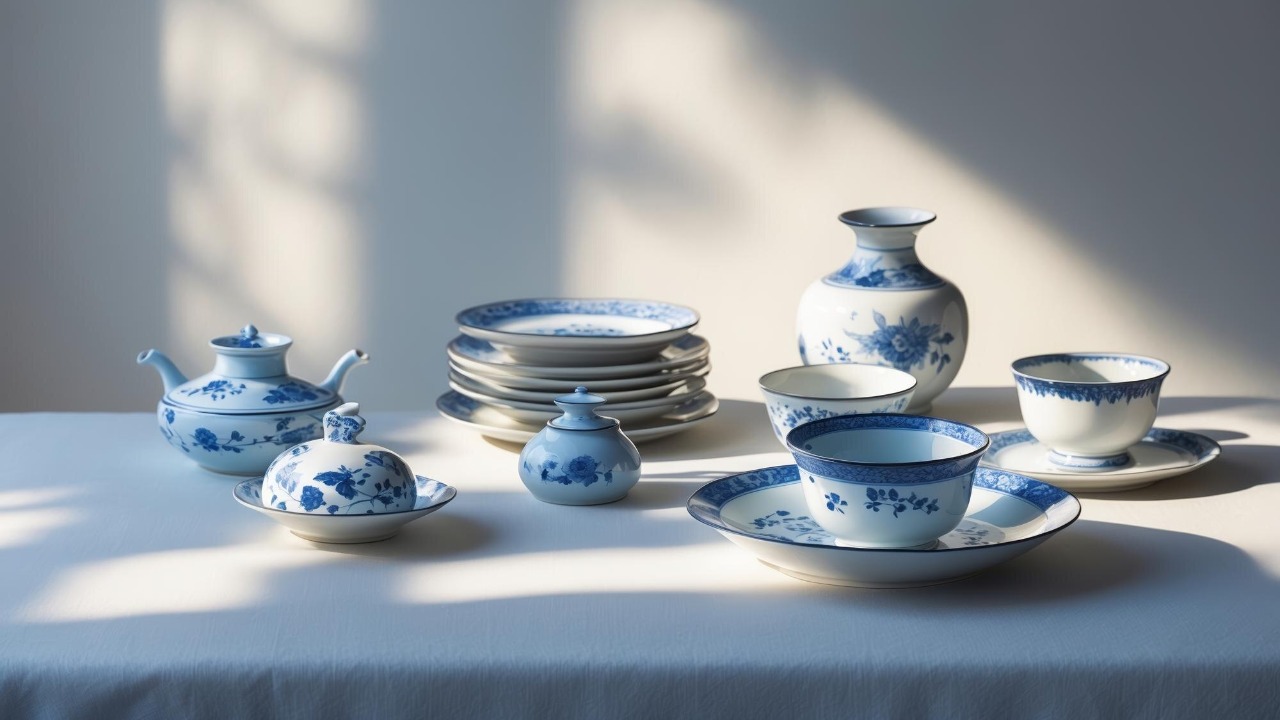
Proper preparation of your china is essential to make a good impression on potential buyers. Clean each piece carefully using a mild detergent and a soft cloth to avoid scratches. Avoid using abrasive materials that could damage the china’s surface.
Take high-quality photographs that accurately represent the pieces. Use natural light to highlight the details and any imperfections. Include multiple angles to give buyers a comprehensive view of what they’re purchasing. Well-prepared and presented items can enhance buyer confidence and lead to a successful sale.
Craft an Effective Listing

Your listing is your pitch to potential buyers, so it needs to be both informative and appealing. Write a clear and detailed description of the china, including the pattern name, manufacturer, and any known history. Highlight special features or unique aspects that might interest collectors.
Include keywords that potential buyers might search for, such as “vintage,” “antique,” or specific pattern names. This helps improve the visibility of your listing in search results. Offering insights from sources like specialist books can also enhance your listing’s credibility and help attract serious buyers.

Cole Whitaker focuses on the fundamentals of money management, helping readers make smarter decisions around income, spending, saving, and long-term financial stability. His writing emphasizes clarity, discipline, and practical systems that work in real life. At The Daily Overview, Cole breaks down personal finance topics into straightforward guidance readers can apply immediately.
