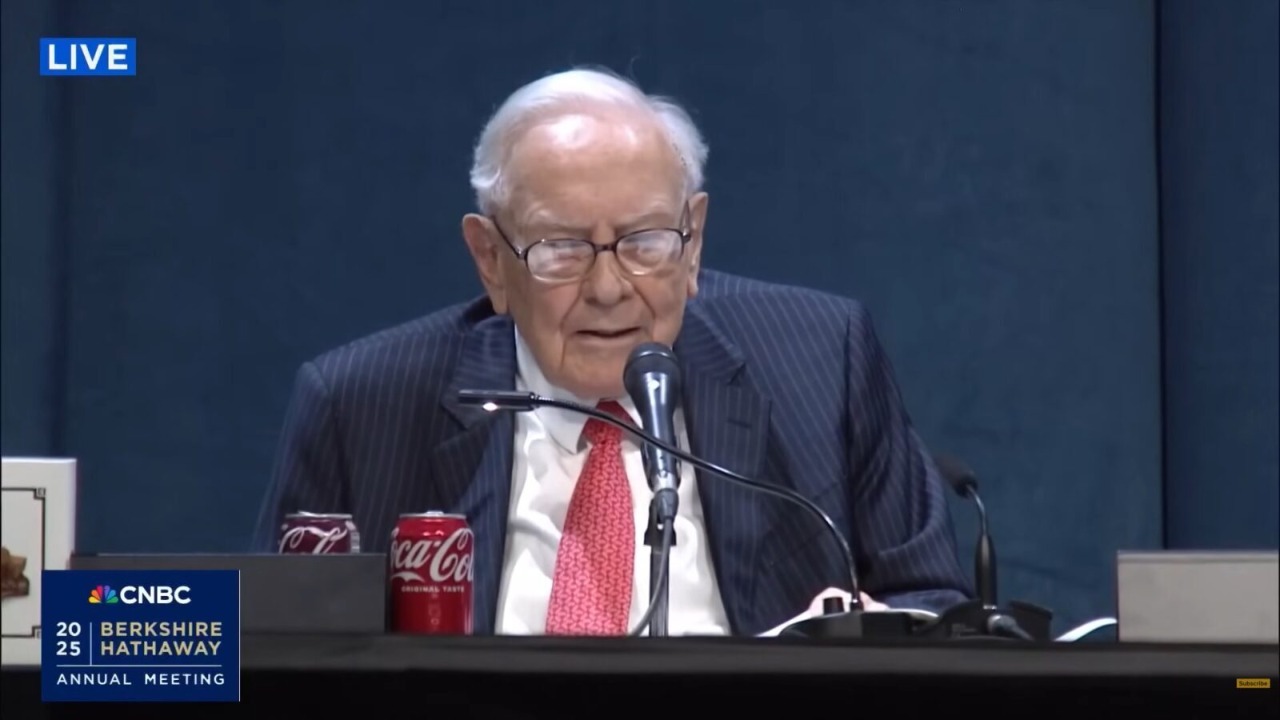
Warren Buffett’s grocery habits are famously plain, yet behind the cheap breakfast sandwiches and bulk staples sits a disciplined philosophy about money. His simple list of everyday items reflects how he thinks about value, routine, and tradeoffs, and it offers a practical template for anyone trying to stretch a paycheck without feeling deprived.
Look closely at what actually goes into his cart and onto his table, and it becomes clear that Buffett treats small purchases the same way he treats billion dollar investments. He buys what he genuinely likes, keeps costs low, and repeats the same choices over time, turning modest daily savings into meaningful long term advantages.
Value over fashion: why cheap staples beat trendy splurges
The first lesson in Buffett’s grocery list is that price and pleasure matter more than fashion. Reports on his diet describe a rotation of inexpensive, familiar items, from simple breakfasts to basic pantry goods, that he repeats day after day instead of chasing the latest superfood or gourmet brand. Rather than letting advertising or social pressure steer him toward whatever is trending, he focuses on what reliably delivers satisfaction at a low cost, mirroring his preference for companies that are profitable and understandable instead of flashy.
That same mindset shows up in how he evaluates everyday spending. Guidance drawn from his habits stresses that shoppers should Buy based on instead of novelty, and that the best choices are often boring, durable, and cheap. In practice, that could mean choosing store brand oatmeal over a designer cereal, or buying a reliable older Honda Civic instead of a new luxury SUV. The point is not to avoid all indulgence, but to make sure the bulk of a budget goes to items that quietly deliver long lasting usefulness rather than short lived excitement.
Consistency as a money habit, not a quirk
Buffett’s grocery list is also remarkably repetitive, and that consistency is not just personal eccentricity; it is a financial strategy. By eating similar meals, buying the same brands, and sticking to a narrow set of preferences, he reduces decision fatigue and keeps his spending predictable. Fewer choices at the supermarket mean fewer impulse buys, fewer half used products thrown away, and a better sense of what a week of food should actually cost.
Analysis of his routine highlights how he often returns to the same cheap and simple staples, and how that pattern reflects his broader preference to Prioritize consistency over experimentation when something already works. For a household budget, that can translate into building a short list of go to meals, buying ingredients in bulk, and automating bill payments and savings transfers. Instead of constantly reinventing a lifestyle, families can lock in routines that are comfortable and affordable, then reserve experimentation for areas that truly matter to them.
Frugality without deprivation: comfort still counts
Despite his wealth, Buffett has long been associated with modest, even frugal, daily choices that still feel comfortable. Coverage of his habits emphasizes that his money saving strategies are designed to help people live rich and spend smart, not to push them into joyless austerity. The focus is on trimming waste, such as unused subscriptions or overpriced status goods, while keeping low cost pleasures like a favorite snack or a simple night out.
Practical tips inspired by his approach, including advice to drive a paid off car, keep housing reasonable, and avoid lifestyle creep, show up in guides on how to live rich, spend on an ordinary income. These guides underline that real comfort comes from financial stability and freedom of choice, not from constantly upgrading to the latest model or dining at the most expensive restaurant. Buffett’s own life, with its simple meals and long held home, suggests that satisfaction comes from aligning spending with genuine preferences instead of social expectations.
The power of small, precise choices
One of the most striking details about Buffett’s routine is how exact he is about tiny, recurring costs. Accounts of his mornings describe how he calibrates his McDonald’s breakfast order to the day, with the price tag on these morning meals reported as $3.17 at most. He is so precise about his spending that he even communicates his preferred order based on how the market is doing, showing that he tracks tiny outlays with the same attention he gives to major capital allocation decisions.
That level of awareness translates into a broader rule set for daily expenses. In one account of his philosophy, author Alice Schroeder quotes him in “The Snowball: Warren Buffett and the Business of Life” on the value of moderation, and related coverage distills his thinking into seven rules for saving on everyday costs without sacrificing comfort. The message is that small, repeated decisions on coffee, snacks, and subscriptions compound over years, so it pays to be deliberate. Someone who tracks a daily rideshare habit, for example, might replace half those trips with public transit and redirect the savings into an index fund or high yield savings account.
Systems that protect long term goals
Buffett’s grocery list only makes sense when viewed alongside his broader systems for decision making. He has spoken about the need for a sound intellectual framework that keeps emotions from corroding judgment, a principle that applies just as much to a supermarket aisle as it does to a stock market panic. By pre deciding what he buys, how much he spends, and what he ignores, he limits the influence of mood, advertising, or social comparison on his wallet.
Commentary on his investing style stresses that he relies on clear rules and patience to avoid buying at the top or selling in fear, and the same logic underpins his consumer choices. Analysts who study his approach to decision making note that he favors simple checklists and long term thinking, which can be adapted to personal finance through tools like a written budget, automatic transfers to savings, and a short list of non negotiable financial priorities. As one summary of his investing lessons puts it, What is needed is a framework that resists emotional swings, so that both shopping carts and portfolios stay aligned with long term goals.
More From The Daily Overview
*This article was researched with the help of AI, with human editors creating the final content.

Cole Whitaker focuses on the fundamentals of money management, helping readers make smarter decisions around income, spending, saving, and long-term financial stability. His writing emphasizes clarity, discipline, and practical systems that work in real life. At The Daily Overview, Cole breaks down personal finance topics into straightforward guidance readers can apply immediately.
