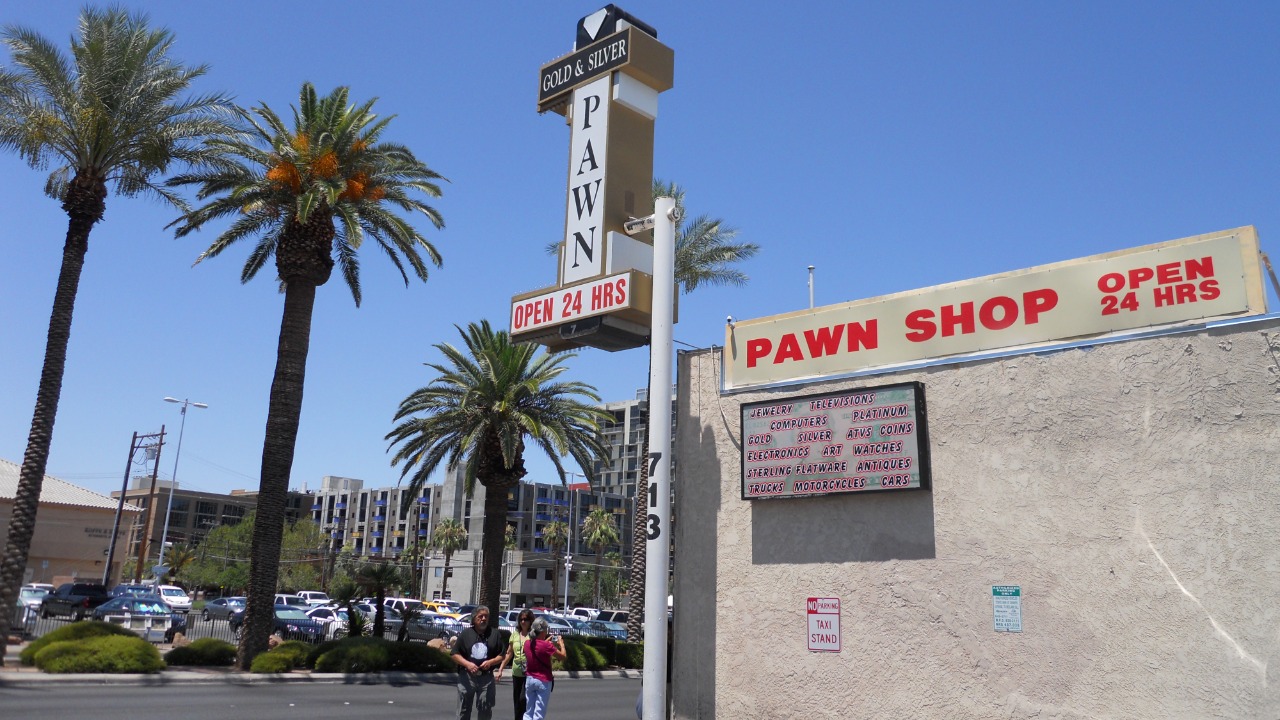
Despite their reputation as treasure troves of undiscovered gems, pawn shops often overlook items with significant value. Both sellers and buyers have the opportunity to identify and capitalize on these overlooked treasures by understanding how pawn shops operate and recognizing the types of items that are frequently undervalued.
The Nature of Pawn Shops: A Brief Overview

Historical Context and Evolution
Pawn shops have a rich history that dates back thousands of years, offering short-term loans in exchange for collateral. They have traditionally served as accessible financial resources for those in immediate need of cash. Over the years, pawn shops have adapted to meet the changing demands of consumers, integrating new technologies and expanding their reach.
In recent decades, the pawn industry has seen significant changes, particularly with the advent of online platforms and digital appraisal tools. These advancements have allowed pawn shops to enhance their business models and offer more precise valuations. However, despite these improvements, there remain instances where valuable items slip through the cracks, overlooked due to various factors.
The Business Model of Pawn Shops
Pawn shops operate on a straightforward business model: they offer loans based on the value of an item used as collateral, or they purchase items outright at a discounted rate to resell at a profit. The appraisal process is crucial as it determines the loan amount or purchase price. However, this process can be subjective, depending on the appraiser’s knowledge and expertise.
The typical clientele of pawn shops often includes individuals from diverse backgrounds, seeking quick cash solutions. Items commonly found in pawn shops range from electronics and jewelry to musical instruments and firearms. While many items are accurately appraised, others, particularly those requiring specialized knowledge, may not receive the attention they deserve.
Commonly Overlooked Items in Pawn Shops

Antique and Vintage Goods
Antiques and vintage items are often undervalued in pawn shops due to a lack of expertise in historical appraisal. Many staff members may not have the necessary background to accurately assess the worth of older items, leading to missed opportunities. For example, an unassuming piece of vintage jewelry or furniture can hold significant market value if properly identified.
One notable instance involved a customer who unknowingly pawned a valuable vintage watch, later revealed to be worth several times the pawned amount. Such cases highlight the importance of understanding the historical significance and market demand for older items, which can greatly enhance their value.
Collectibles and Memorabilia
Items like rare toys, comics, and sports memorabilia are often overlooked in pawn shops, largely due to their niche appeal and fluctuating market demand. Collectibles can appreciate significantly over time, but without the right knowledge, their true value may remain hidden. Consider the case of a rare comic book that was initially undervalued but later sold for a substantial profit when its rarity was recognized.
Case studies of such items underscore the potential financial gain in identifying and investing in collectibles. For those in the pawn industry, staying informed about market trends and demand can be a game-changer in recognizing these valuable assets.
Factors Leading to Missed Opportunities

Lack of Specialized Knowledge
The undervaluation of items in pawn shops often stems from a lack of specialized knowledge. Employees may not possess the expertise required to accurately appraise niche items, leading to potentially lucrative opportunities being overlooked. Continuous training and education are crucial for staff to recognize and evaluate valuable items effectively.
By investing in resources such as workshops and certification programs, pawn shops can enhance their staff’s ability to identify items with significant market value. This not only benefits the business but also builds trust with customers who appreciate knowledgeable service.
The Influence of Market Trends
Rapidly changing market trends present another challenge for pawn shops. Items that were once considered valuable may lose their appeal, while others gain popularity seemingly overnight. Staying updated with current trends is essential to accurately appraise and price items.
Pawn shops can mitigate these challenges by leveraging data analytics and market research to inform their appraisal processes. By understanding the ebb and flow of market demand, pawn shops can better position themselves to capitalize on valuable items that are easily missed.
Strategies for Identifying Hidden Gems
Leveraging Technology and Resources
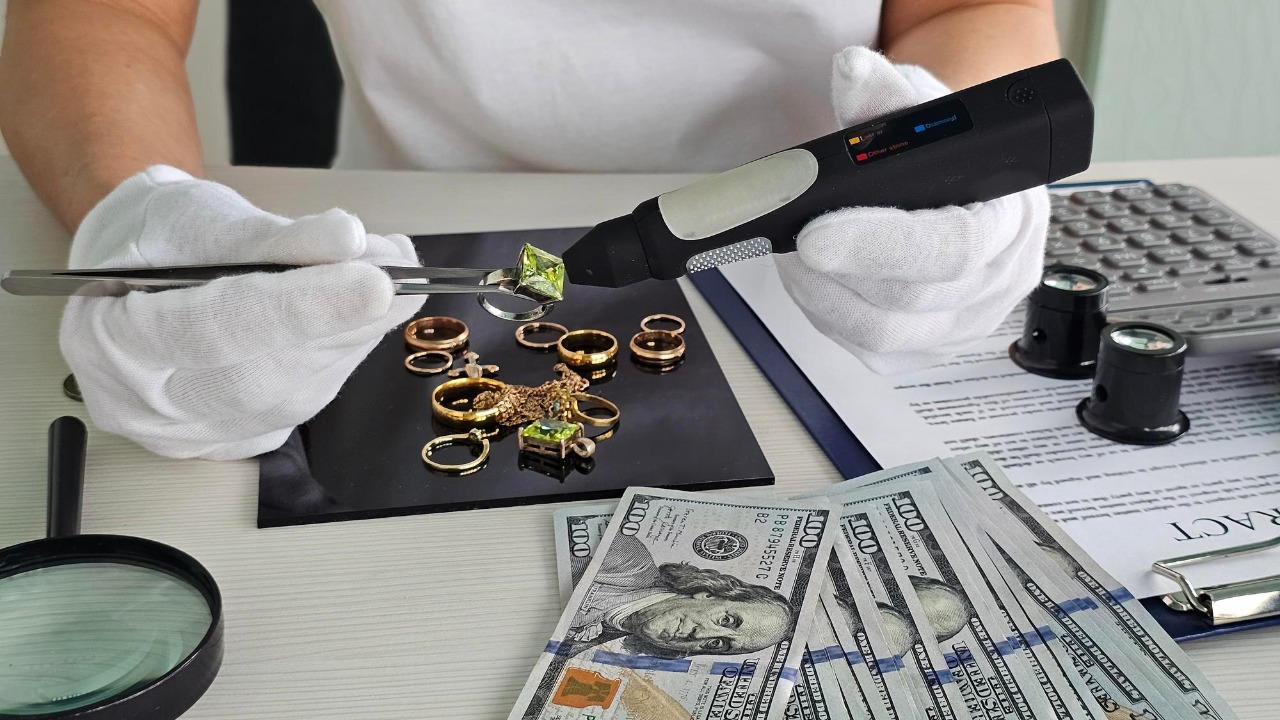
Modern technology offers numerous tools to aid in the accurate appraisal of items in pawn shops. Online databases and appraisal software can provide valuable insights into an item’s worth. Additionally, networking with experts in various fields can help staff gain a broader understanding of niche markets.
For instance, using platforms like Garage Journal can provide insights into market trends and customer preferences. By tapping into these resources, pawn shops can enhance their ability to recognize and capitalize on hidden gems.
Educating Staff and Customers
Education plays a pivotal role in improving the appraisal process within pawn shops. By providing training programs for staff, businesses can equip their employees with the skills necessary to identify valuable items. Additionally, educating customers about the value of their belongings can foster a more informed transaction environment.
Encouraging open communication and transparency between staff and customers can lead to mutually beneficial outcomes. When customers understand the potential worth of their items, they are more likely to engage in fair and equitable transactions.
The Future of Pawn Shops: Opportunities and Challenges

Adapting to a Digital World
The rise of e-commerce and online marketplaces has significantly impacted traditional pawn shop business models. To remain competitive, pawn shops must adapt by integrating digital platforms and expanding their reach to online audiences. This shift offers the potential to tap into a broader customer base and increase sales.
By establishing an online presence, pawn shops can showcase their inventory to a global audience, leveraging platforms like YouTube to engage with potential customers. This digital transformation presents both opportunities and challenges but is essential for sustained growth in a rapidly evolving market.
Embracing Change and Innovation
Innovation is key to the future success of pawn shops. By embracing new technologies and forming partnerships with tech companies and experts, pawn shops can improve valuation accuracy and enhance the customer experience. Such collaborations can lead to the development of innovative solutions that streamline operations and increase profitability.
As the pawn industry continues to evolve, businesses that are willing to adapt and innovate will be well-positioned to thrive. By staying informed and embracing change, pawn shops can maintain their relevance and appeal in an ever-changing marketplace.

Cole Whitaker focuses on the fundamentals of money management, helping readers make smarter decisions around income, spending, saving, and long-term financial stability. His writing emphasizes clarity, discipline, and practical systems that work in real life. At The Daily Overview, Cole breaks down personal finance topics into straightforward guidance readers can apply immediately.
