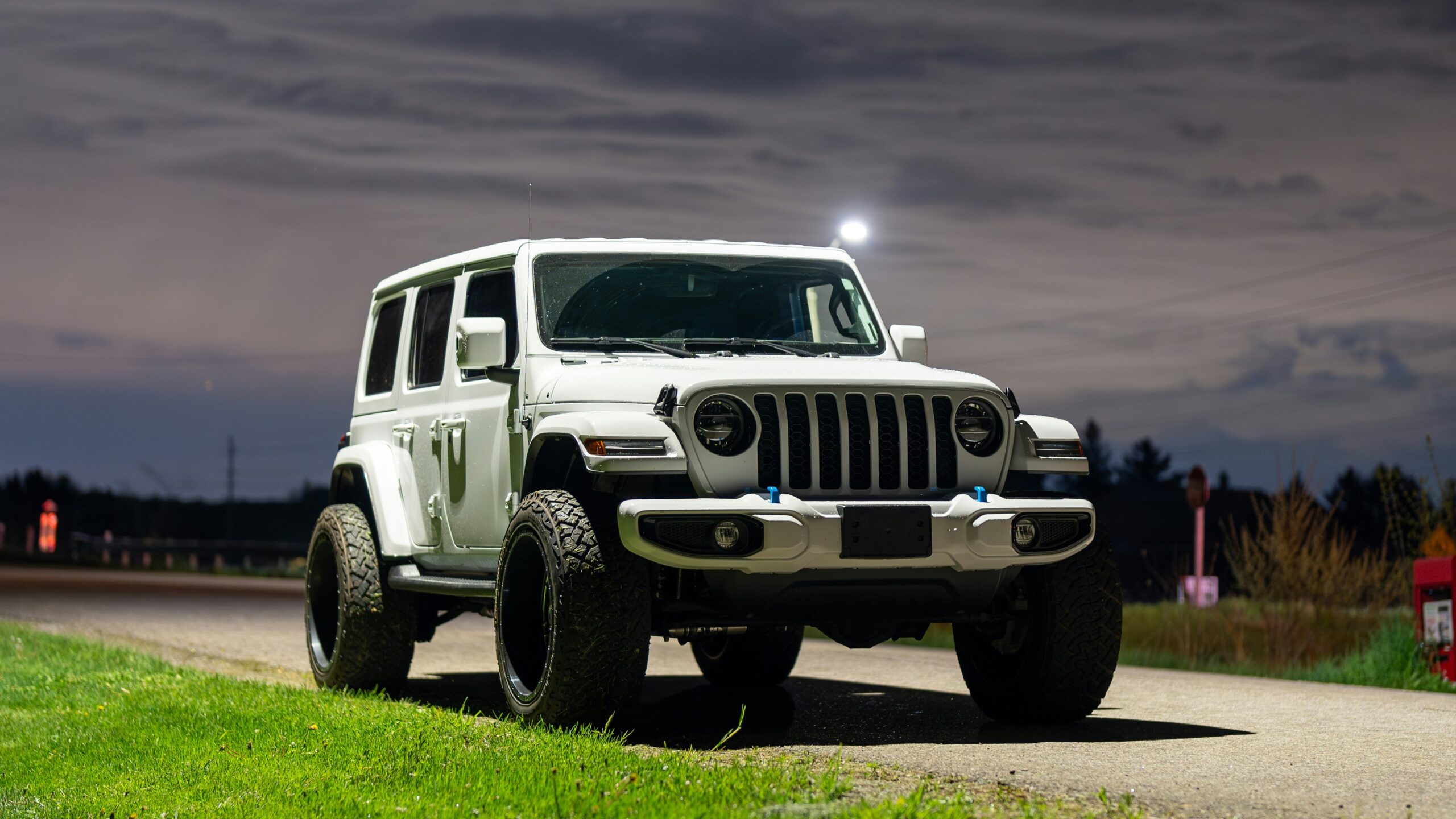
Stellantis is facing a serious credibility crisis after Chrysler expanded a recall to approximately 320,000 Jeep plug-in hybrid vehicles over batteries that can catch fire. The recall, which covers Jeep Grand Cherokee and Jeep Wrangler 4xe models, prompted federal regulators to issue an unusually blunt consumer alert telling owners to park outside and stop charging their vehicles entirely. While Tesla also drew scrutiny for a separate Cybertruck recall affecting 3,878 units, the sheer scale and severity of the Jeep situation puts Stellantis in a category of its own when it comes to reputational damage among major automakers.
320,000 Jeep Plug-In Hybrids and a Fire Risk
The expanded recall targets Jeep’s 4xe plug-in hybrid lineup, specifically the Grand Cherokee and Wrangler models equipped with batteries supplied by Samsung SDI America. A faulty battery design creates the possibility of thermal events that can lead to vehicle fires, a risk serious enough that the National Highway Traffic Safety Administration issued a detailed consumer alert under recall number 24V-720 with instructions that go well beyond standard recall language. Owners were told not just to schedule a dealer visit but to park their vehicles outside and away from structures and to avoid charging them until a fix is applied. That kind of directive from a federal safety agency signals a threat level that most vehicle recalls never reach and immediately raises alarm for owners who rely on garage charging and indoor parking.
The scope of the problem is hard to overstate. Approximately 320,000 vehicles fall under this recall expansion, making it one of the larger battery-related actions in recent memory for any automaker. For a brand built on the promise of rugged dependability, telling hundreds of thousands of customers that their vehicles might ignite in a garage overnight is a direct hit to the core of what Jeep is supposed to represent. The involvement of Samsung SDI America as the battery supplier adds a supply chain dimension, but the brand on the hood is what consumers remember, and right now that brand is Jeep. For Stellantis, the parent company, this means a flagship electrified product line is now associated with images of tow trucks and charred driveways rather than off-road adventures and family road trips.
Why This Recall Hits Harder Than Most
Not all recalls carry the same weight with consumers. A software update pushed over the air or a minor trim piece replacement barely registers in the public consciousness. Fire risk is different. When a federal regulator tells vehicle owners to keep their cars away from their homes, that message travels fast and sticks. The NHTSA’s guidance to park outside and not charge effectively renders these vehicles unusable as daily plug-in hybrids until Stellantis can deliver a repair. For owners who bought a 4xe specifically to commute on electric power and charge overnight in their garages, that capability has been suspended indefinitely, turning what was marketed as an eco-friendly upgrade into a source of anxiety.
This creates a practical hardship that goes beyond abstract safety statistics. Owners cannot use a key feature of the vehicle they purchased, and the interim period before a fix is available leaves them driving a heavier, less fuel-efficient SUV that they paid a premium for precisely because of its electric range. The gap between what was promised and what is now being delivered is wide, and that gap is where brand trust erodes fastest. Stellantis has not publicly detailed a comprehensive timeline for completing repairs across the full population of affected vehicles, which leaves owners in a prolonged state of uncertainty. That uncertainty extends to resale values as well. Used buyers may hesitate to touch recalled models, and current owners may find that trade-in offers reflect the stigma of a high-profile safety issue.
Tesla’s Cybertruck Recall Offers a Contrast
Tesla faced its own recall headache when the company filed with NHTSA to recall 3,878 Cybertrucks because the accelerator pedal can get stuck, potentially causing unintended acceleration. That is a genuine safety concern, and a stuck accelerator is the kind of defect that can lead to high-speed crashes. Yet the filing noted no injuries or deaths had been reported at the time, and the relatively small number of affected vehicles reflects the Cybertruck’s limited production run rather than a systemic failure across a major product line. For Tesla, the issue is serious but contained, and the fix focuses on a specific mechanical component rather than the vehicle’s core propulsion technology.
The comparison is instructive. Tesla’s recall involved fewer than 4,000 units of a vehicle that most Americans have never seen in person, let alone considered buying. Stellantis is recalling roughly 82 times as many vehicles, all of them mainstream SUVs sold through traditional dealerships to families and commuters. The nature of the defect also matters: a stuck pedal is dangerous but mechanical, while a battery fire risk introduces the specter of property damage and harm even when the vehicle is parked and turned off. One recall is a product hiccup for a niche truck. The other raises questions about whether a legacy automaker can safely execute the shift to electrified powertrains. For shoppers watching from the sidelines, it reinforces the perception that some brands are further along the learning curve on high-voltage systems than others.
The Broader Reputation Problem for Stellantis
Most coverage of auto recalls treats each incident as isolated, but the Jeep 4xe situation lands on top of broader concerns about Stellantis quality and strategic direction. The company has been juggling cost-cutting measures, leadership transitions, and slowing sales across several of its brands. A recall of this magnitude, tied to a flagship electrification effort, feeds a narrative that the company is struggling to manage the technical demands of building electrified vehicles at scale. Whether that narrative is fully fair is debatable, but perception often matters more than engineering reality when consumers are choosing where to spend $50,000 or more on a new vehicle. For a conglomerate overseeing multiple nameplates, the risk is that a Jeep fire story bleeds into how buyers view Chrysler minivans, Ram pickups, and other models that share corporate DNA.
What makes this particularly damaging is that plug-in hybrids were supposed to be the safe middle ground for automakers and buyers not yet ready to commit to fully electric vehicles. The 4xe lineup was Jeep’s answer to tightening emissions standards and shifting consumer preferences, a way to keep the brand relevant without abandoning the internal combustion engines its customers love. A fire-risk recall of this size turns that bridge strategy into a liability and gives hesitant buyers a reason to stick with conventional powertrains or look at competitors who have managed their electrification rollouts without similar safety incidents. The episode could also complicate Stellantis’s relationships with regulators and suppliers (as engineers and lawyers work through whether design choices, manufacturing processes, or quality checks failed first).
What Changes for Buyers Watching From the Sidelines
For anyone shopping for a plug-in hybrid SUV right now, the Jeep recall is a data point that is hard to ignore. The NHTSA’s “park outside” guidance is among the most severe interim measures the agency issues, and it signals that regulators see a non-trivial chance of a serious incident if owners continue using the affected feature as normal. Even shoppers who were not considering a Jeep may now ask more pointed questions about battery suppliers, thermal management, and recall histories across all brands on their shortlists. Dealerships selling rival plug-in hybrids and EVs are likely to lean into those concerns, positioning their products as safer or more mature in their engineering.
At the same time, the Stellantis recall does not mean plug-in technology as a whole is unsafe, but it does underscore that battery quality and system integration are not commodities. Buyers who want the benefits of electrification without taking on what feels like bleeding-edge risk may gravitate toward manufacturers with longer track records in hybrids and EVs or toward models with smaller, less complex battery packs. For Stellantis, winning those shoppers back will require more than a technical fix. It will demand transparent communication, clear timelines, and visible investments in safety and testing. Until then, the image of hundreds of thousands of Jeeps parked nervously in driveways rather than plugged in inside garages will remain a powerful symbol of how fragile consumer trust can be in the transition to electrified vehicles.
More From The Daily Overview
*This article was researched with the help of AI, with human editors creating the final content.

Grant Mercer covers market dynamics, business trends, and the economic forces driving growth across industries. His analysis connects macro movements with real-world implications for investors, entrepreneurs, and professionals. Through his work at The Daily Overview, Grant helps readers understand how markets function and where opportunities may emerge.

