
The world of billionaires extends far beyond financial markets and luxury goods, with substantial land ownership representing a significant facet of their wealth. This exploration delves into which billionaires own the most land globally, examining how they acquired such vast properties and the implications these holdings have for society and the environment.
The Concept of Billionaire Land Ownership

To understand the scope of billionaire land ownership, it’s essential to first define what constitutes a billionaire. According to Investopedia, a billionaire is someone whose net worth is at least one billion currency units in either USD or another currency. Land ownership holds a particular allure for billionaires as it represents a stable, appreciating asset that can serve as a hedge against market volatility and inflation.
Beyond financial considerations, owning land often signifies power and influence. For many billionaires, having substantial land holdings can enhance their societal impact, providing them with the ability to dictate land use and influence local economies. This intersection of wealth and land ownership underscores the broader dynamics of power that come with massive financial resources.
Key Players: The Largest Landowners Among Billionaires
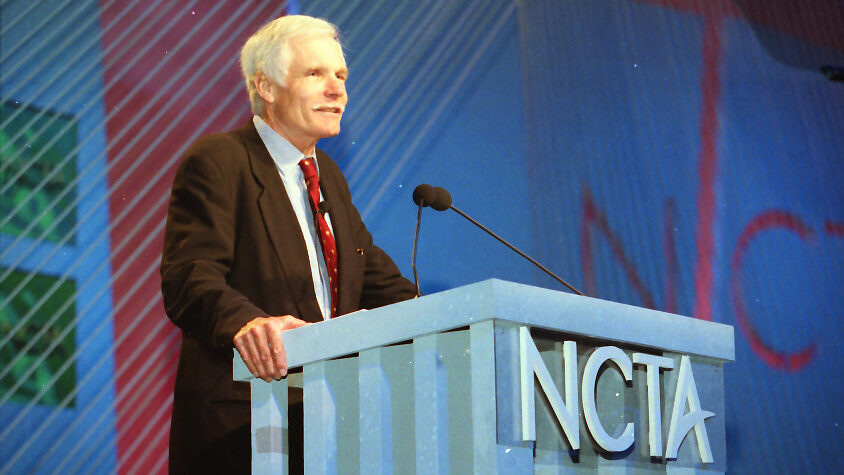
Among the global elite, several billionaires stand out for their extensive land holdings. Insights from One More Hectare highlight individuals such as John Malone, Ted Turner, and the Emmerson family as some of the most prominent landowners. Their properties span vast regions, from rural expanses in the United States to international holdings.
The motivations behind these acquisitions often vary. For some, land is a legacy investment intended for future generations. For others, it’s part of a strategic move to diversify their portfolios. In many cases, these landowners employ sophisticated strategies to acquire these assets, leveraging financial instruments and market opportunities to expand their holdings.
Economic and Environmental Impacts
The economic implications of large-scale land ownership by billionaires are profound. According to ScienceDirect, such ownership can significantly influence market dynamics and local economies. Large landowners have the power to affect land prices, potentially making it more difficult for smaller buyers to enter the market. This concentration of ownership can also lead to monopolistic tendencies, where a few individuals hold significant sway over the economic landscape.
From an environmental perspective, the consequences are equally significant. Large-scale land ownership can lead to changes in land use, affecting local ecosystems and biodiversity. The sustainability of these practices is often questioned, as the drive for profit can sometimes overshadow environmental concerns. This disruption of traditional land use patterns poses a threat to biodiversity and raises questions about the long-term sustainability of such concentrated ownership.
Social and Political Dimensions
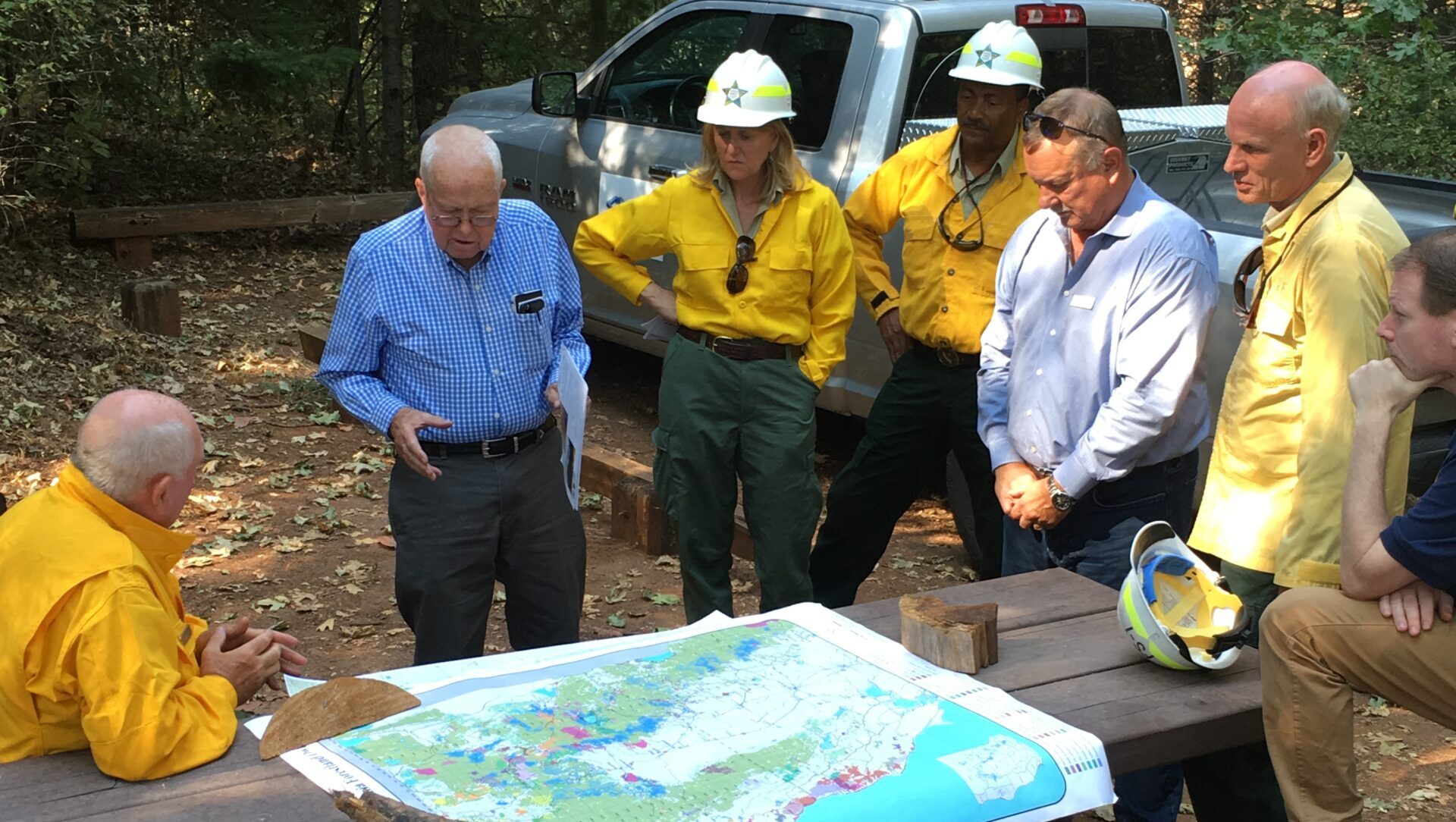
Billionaire land ownership also intersects with pressing social issues like inequality and housing affordability. Insights from Inequality.org reveal how these large acquisitions can exacerbate existing social divides, with significant portions of land being inaccessible to the general population. This concentration of wealth and land can further deepen societal inequalities, making it challenging for ordinary people to secure affordable housing.
Politically, billionaire landowners often wield significant influence. Their ability to lobby for land use regulations that favor their interests can shape policy and public discourse. This influence extends to shaping the legal and regulatory frameworks that govern land use, potentially leading to decisions that prioritize private gain over public benefit.
Future Trends and Challenges
Looking ahead, several trends are likely to influence the landscape of billionaire land ownership. Market dynamics and societal values are expected to shift, potentially leading to changes in how land is acquired and managed. The focus on sustainability and environmental stewardship may also prompt billionaire landowners to adopt more eco-friendly practices.
Challenges remain, however, as regulatory changes and public backlash against concentrated land ownership could pose obstacles. There is growing awareness around the impacts of such ownership, and calls for more equitable land distribution may gain momentum. Addressing these issues will require innovative solutions and strategies, balancing the interests of billionaires with the broader needs of society.

Grant Mercer covers market dynamics, business trends, and the economic forces driving growth across industries. His analysis connects macro movements with real-world implications for investors, entrepreneurs, and professionals. Through his work at The Daily Overview, Grant helps readers understand how markets function and where opportunities may emerge.

