
As billionaires continue to amass wealth at an unprecedented rate, the question arises: who bears the cost of their increasing fortunes? The far-reaching consequences of billionaire wealth accumulation affect economic inequality, social mobility, and democratic institutions, with implications that ripple through society in numerous ways.
The Widening Economic Gap

Income inequality has been a persistent issue, but the gap between the wealthy and the poor continues to grow as billionaires accrue more wealth. The concentration of wealth among a small elite exacerbates the economic divide, leaving a large segment of the population struggling to make ends meet. The impact on income inequality is profound, as the ultra-rich often have access to financial tools and opportunities that are unavailable to the average citizen.
Wealth concentration poses significant risks to economic stability and opportunity. When wealth is concentrated in the hands of a few, it limits economic mobility and reduces the resources available for public investment, such as infrastructure and education. The impact on poverty is also concerning, as policies that favor the wealthy tend to deepen poverty levels, leaving low-income individuals with limited access to essential services and opportunities.
Erosion of Social Mobility
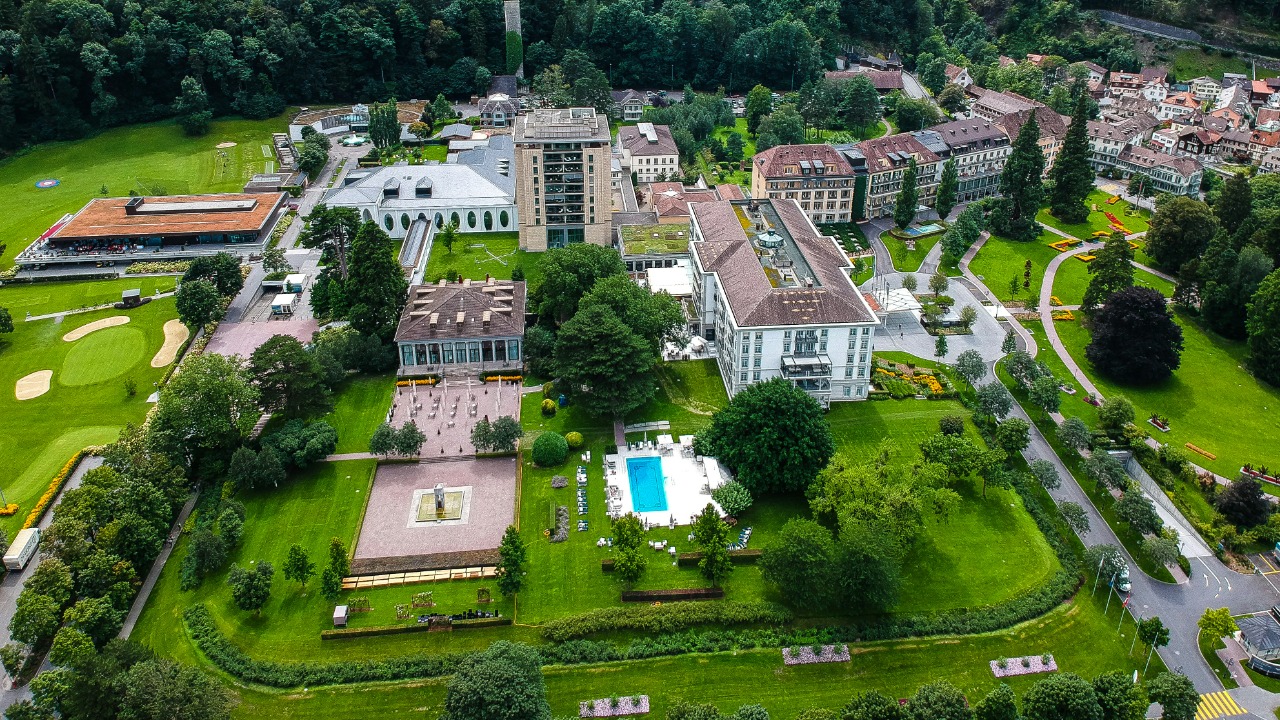
The growing wealth of billionaires creates significant barriers to social mobility for lower and middle-class individuals. As the rich become richer, the economic ladder becomes more difficult to climb, with fewer opportunities for advancement. The disparities in wealth directly impact the ability of individuals from less affluent backgrounds to access the same opportunities as their wealthier counterparts.
Education inequality is another critical issue linked to the concentration of wealth among billionaires. Access to quality education is often limited for those who cannot afford it, perpetuating cycles of poverty and limiting social mobility. The influence of billionaire-driven economic policies also affects labor market dynamics, often leading to job insecurity, stagnant wages, and poor working conditions for many workers.
Strain on Democratic Institutions

Billionaires wield significant political influence, often using their wealth to shape policy decisions in their favor. This influence can undermine the democratic process, as policies tend to prioritize the interests of the wealthy over the needs of the broader populace. The erosion of trust in democratic institutions is a growing concern, as citizens feel increasingly sidelined by systems that cater to the ultra-rich.
Policy prioritization that favors the wealthy often leads to the sidelining of the majority’s needs and voices. This dynamic can foster a sense of disenfranchisement among the general public, further eroding trust in democratic institutions. As a result, there is a growing perception that political systems are rigged in favor of those with the deepest pockets.
Effects on Public Services

Tax policies that favor billionaires often lead to reduced funding for essential public services such as healthcare, education, and infrastructure. When the wealthy benefit from tax breaks and loopholes, the burden of funding public services falls disproportionately on the middle and lower classes. This can lead to underfunded services, which impact the quality and accessibility of these essential resources.
Additionally, there is often a push towards the privatization of public services, driven by billionaire interests. This trend can compromise the quality and accessibility of services, as profit motives take precedence over public welfare. Social safety nets are also weakened due to budget cuts influenced by the wealthy elite, leaving vulnerable populations with fewer resources to rely on in times of need.
Global Implications
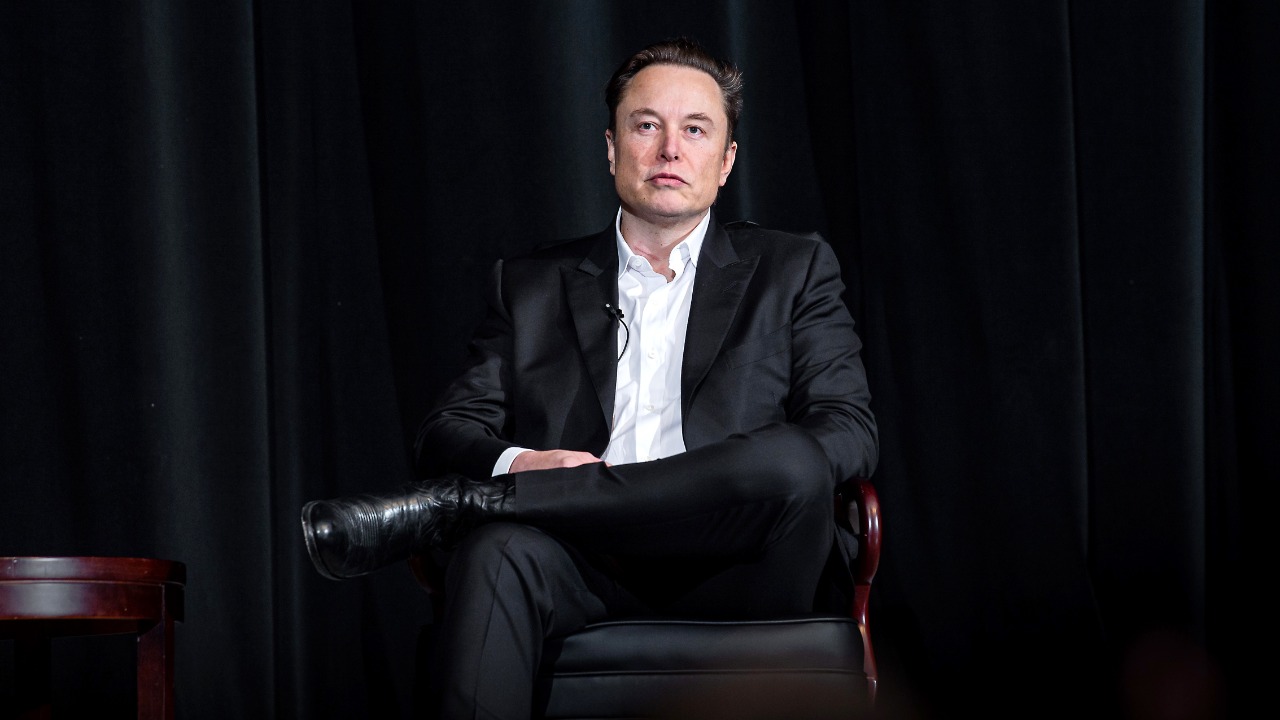
Billionaire wealth accumulation in developed countries can have global implications, particularly in widening the gap between wealthy and developing nations. The concentration of wealth can lead to the exploitation of resources in poorer countries, often with little regard for the welfare of local populations or environmental sustainability. This dynamic exacerbates international inequality and perpetuates cycles of poverty and dependency.
The global political and economic influence wielded by billionaires often comes at the expense of national sovereignty and autonomy. As these individuals exert their influence across borders, they can shape policies and economic frameworks in ways that prioritize their interests over those of individual nations. This cross-border influence can undermine local governance and limit the ability of countries to chart their own economic and political courses.

Grant Mercer covers market dynamics, business trends, and the economic forces driving growth across industries. His analysis connects macro movements with real-world implications for investors, entrepreneurs, and professionals. Through his work at The Daily Overview, Grant helps readers understand how markets function and where opportunities may emerge.