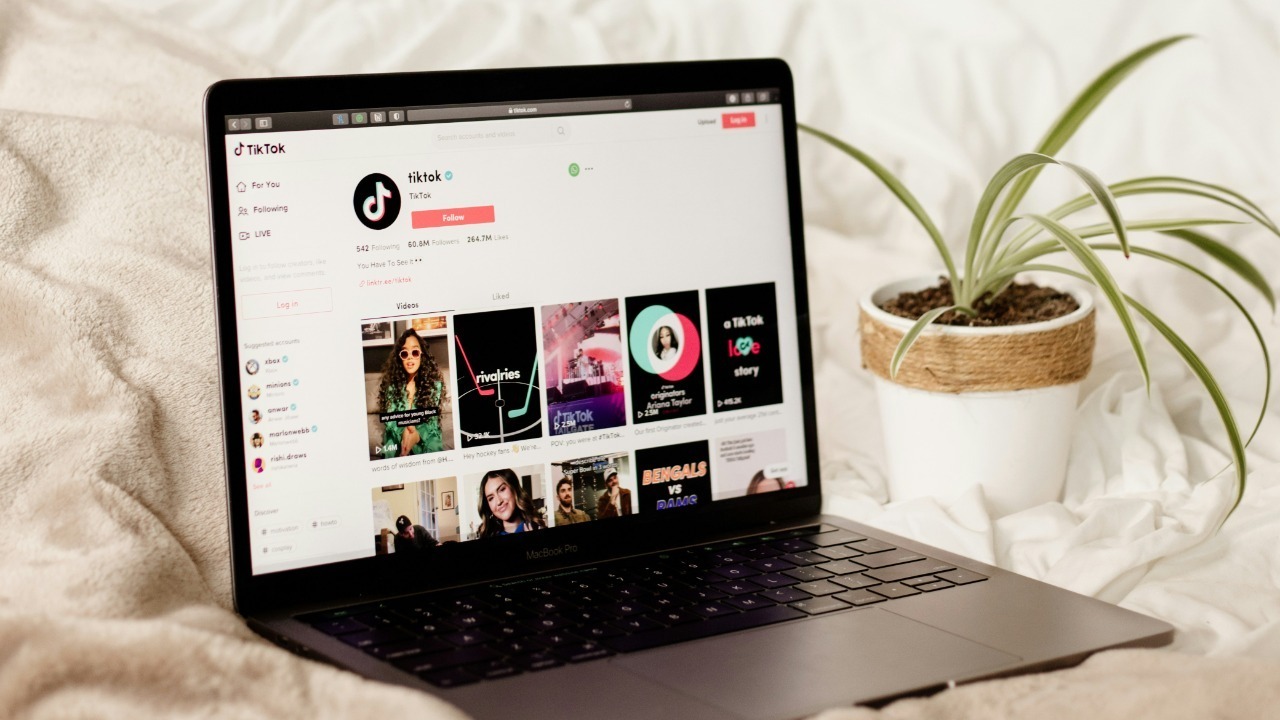
TikTok’s long running clash with Washington has finally produced a concrete answer to the question of who will control the app in the United States, at least on paper. ByteDance has agreed to carve out a new American led entity for its U.S. operations, handing majority ownership to a group of domestic investors while keeping a significant stake for itself. The result is a complex joint venture that tries to satisfy national security hawks without breaking the product that hundreds of millions of people use every month.
I see the emerging structure as less a clean sale than a carefully engineered power sharing arrangement, one that spreads ownership across big tech, private equity and sovereign capital while leaving ByteDance with meaningful influence. The real story now is how this investor mix, and the legal guardrails around it, will shape what TikTok looks like for creators, advertisers and ordinary users in the years ahead.
The basic deal: a new U.S. joint venture under American control
At the heart of the agreement is a new company that will hold TikTok’s U.S. business, often described as a TikTok USDS Joint Venture, which is valued at around $14 billion according to Vice President JD Vance’s comments on the investor group’s structure. Under the arrangement, 50% of the voting rights in this new entity will be held by American investors, while the remaining 50% of the voting rights and a 19.9% ownership stake will be retained by ByteDance, a setup that is designed to shift day to day control of U.S. data and operations away from Beijing while still recognizing the Chinese parent’s economic interest in the app’s success, as detailed in an internal memo from Shou Zi Chew and in reporting on the new joint venture.
The structure is explicitly crafted to comply with a U.S. law that forces TikTok to separate its American operations from Chinese control or face a nationwide ban, and it does so by requiring ByteDance to sell a majority of its U.S. assets to non Chinese investors while still allowing the company to participate in future upside. Officials have framed the TikTok USDS Joint Venture as a way to avoid an outright shutdown of the app in the United States, with the investor controlled entity taking over responsibility for U.S. user data, recommendation systems and content policies, a compromise that is central to the claim that TikTok has avoided a U.S. ban after ByteDance agreed to an investor deal.
Who is actually buying in: Oracle, Silver Lake and MGX
The most prominent corporate name in the investor group is Oracle, the enterprise software giant chaired by Florida billionaire Larry Ellison, which is taking a leading role in the new company’s governance and infrastructure. Oracle is part of the core consortium that will own and operate the U.S. business, and its involvement builds on its earlier role in hosting TikTok’s American user data, a relationship that is now being formalized and expanded through the joint venture, as described in detailed breakdowns of how Oracle and other American investors are being woven into the ownership structure.
Alongside Oracle sits Silver Lake, a major technology focused private equity firm that has long invested in large scale digital platforms and is now committing capital and expertise to the TikTok USDS Joint Venture. The investor roster also includes Abu Dhabi based investment firm MGX, which is joining the American led group as a significant foreign partner, a move that underscores how the deal is not just about U.S. versus Chinese control but also about drawing in allied capital from the Gulf region, a point that is spelled out in reporting on which investors, including Oracle, Silver Lake and MGX, are taking stakes in the new entity.
ByteDance’s role and what “Chinese” ownership really means now
ByteDance is not walking away from TikTok’s American audience, even as it cedes majority control of the U.S. assets to the new investor group. The company’s Chinese ownership is being reshaped rather than erased, with ByteDance agreeing to sell a majority of its U.S. assets to a group of investors while still holding that 19.9% stake and half of the voting rights in the joint venture, a balance that allows it to influence strategic decisions without directly managing U.S. user data, as described in accounts of how TikTok’s Chinese owner ByteDance agreed to sell control of the U.S. business.
From a political perspective, the key shift is that the U.S. government can now point to a legal separation between the Chinese parent and the American user base, with the new entity responsible for complying with national security requirements around data storage, algorithm transparency and content moderation. Yet the fact that ByteDance still holds a sizable economic interest and shared voting power means that debates over how “Chinese” TikTok really is are unlikely to disappear, especially as regulators and lawmakers scrutinize how much influence the parent company can exert over product design and recommendation systems through its remaining stake, a tension that is central to the framing of the deal as a way to protect U.S. data and shift assets to non Chinese investors.
How the White House and President Trump forced the issue
The political backdrop to this transaction is a yearslong standoff between TikTok and Washington that intensified under President Donald Trump, who pushed for a forced divestiture of the app’s U.S. operations on national security grounds. Senior White House officials made clear that the administration would not accept cosmetic changes to TikTok’s corporate structure, insisting instead on a sale of the U.S. business to American investors and signaling that a ban would move forward if ByteDance did not agree to a deal that met those conditions, a stance that shaped the eventual contours of the sale to an American investor group.
The White House’s pressure campaign culminated in legislation that effectively gave TikTok a deadline to separate its U.S. operations from Chinese control or be removed from American app stores, a law that the administration argued was within the bounds of the President’s power to address national security threats. That legal framework, and the looming threat of a ban, created the leverage that ultimately brought ByteDance to the table and led to Shou Zi Chew’s internal memo confirming that he had approved the Oracle led deal, a moment that was widely interpreted as the point at which the U.S. TikTok deal became official and the company acknowledged that it had to operate within the bounds of the President’s power.
What changes for users, creators and advertisers
For everyday users, the most immediate promise of the deal is continuity, since the joint venture structure is explicitly designed to keep TikTok running in the United States rather than pulling it from app stores. Under the agreement, TikTok will continue to operate under its familiar brand and interface, but U.S. user data will be stored and processed within the new company’s infrastructure, with Oracle playing a central role in hosting and securing that information, a shift that is laid out in summaries of what the deal means for users and how the new company is expected to handle data and algorithms.
Creators and advertisers are watching a different set of variables, particularly around how the new governance structure might affect recommendation algorithms, content moderation and monetization tools. TikTok’s parent company, ByteDance, has committed to transferring control of U.S. data, algorithms and content moderation to the investor controlled entity, while still providing technical support and product innovation from its global teams, a balance that is meant to reassure both regulators and business partners that the app will remain a powerful marketing and entertainment platform even as it adapts to new oversight, a point underscored in reporting that explains how TikTok’s parent company ByteDance has agreed to hand over key operational levers to the U.S. venture.
The power players behind the scenes: Larry Ellison and the investor bench
Behind the corporate logos, individual power brokers are shaping what TikTok’s American future will look like, starting with Florida billionaire Larry Ellison, whose company Oracle is both a technology provider and a major equity holder in the new entity. Ellison’s influence matters because Oracle is not just supplying cloud infrastructure, it is also expected to have a significant voice on the joint venture’s board, giving it a say in how security protocols are implemented and how the platform balances regulatory demands with user experience, a role that has been highlighted in coverage of how Florida billionaire Larry Ellison is now deeply tied to TikTok’s U.S. operations.
The broader investor bench includes a mix of institutional and sovereign players that bring their own priorities to the table, from Silver Lake’s focus on long term technology growth to MGX’s interest in strategic digital assets. Their presence reflects a belief that TikTok’s U.S. business, even under tighter regulation, remains a valuable asset with significant advertising and e commerce potential, and it also signals that the app’s future will be shaped by a coalition of financial interests rather than a single controlling shareholder, a dynamic that is evident in detailed rundowns of which investors are taking stakes and how ByteDance’s remaining 19.9% ownership fits into the picture.
What happens next as the deal moves toward closing
The agreement still has to clear a series of regulatory and legal hurdles, including formal reviews of the joint venture’s governance and data protection commitments, before it can be fully implemented. U.S. officials will be looking closely at how the 50 50 voting rights split between American investors and ByteDance is structured in practice, and whether the safeguards around data access and algorithm control are robust enough to satisfy the national security concerns that drove the legislation in the first place, a process that will test whether the TikTok USDS Joint Venture can truly function as an independent guardian of U.S. user data, as described in analyses of how the deal allowed TikTok to avoid a ban.
On the corporate side, TikTok’s leadership will have to navigate the practical challenges of splitting operations between the new U.S. entity and the global ByteDance ecosystem, from engineering workflows to content policy coordination. Shou Zi Chew has already signaled internally that the company is committed to making the structure work, and the fact that TikTok has signed the deal to spin off its U.S. entity with an American investor group suggests that both sides see this as the least disruptive path forward compared with a full shutdown or a fragmented regional app strategy, a calculation that is captured in reports on how TikTok signed a deal to form a new U.S. unit with investors including Oracle and Silver Lake and how that unit is expected to operate once the transaction closes.
Why the stakes extend beyond TikTok
Even though this saga centers on a single app, the TikTok deal is already being treated as a template for how the United States might handle other foreign owned platforms that raise security or data sovereignty concerns. By forcing a partial divestiture that keeps the product intact while shifting control of sensitive assets to a domestic joint venture, the U.S. government is signaling that it is willing to use its regulatory power to reshape global tech ownership without necessarily resorting to outright bans, a strategy that will be closely watched by companies from messaging services to gaming platforms that rely on cross border data flows, a point that is implicit in the way officials have framed the sale of TikTok’s U.S. entity as a model for future enforcement.
For TikTok’s users and creators, the hope is that the politics recede into the background and the app continues to function as a place to watch, create and monetize short form video, from dance trends to product reviews of specific cars like a 2024 Toyota Camry or a 2023 Ford F 150 Lightning. For policymakers and investors, however, the new TikTok USDS Joint Venture is a live experiment in whether a platform can be both globally integrated and locally controlled, a balancing act that will shape not just who is buying TikTok’s U.S. business today but how digital power is distributed across borders in the years to come, a question that sits at the center of the broader debate over data and U.S. national security.
More From TheDailyOverview

Grant Mercer covers market dynamics, business trends, and the economic forces driving growth across industries. His analysis connects macro movements with real-world implications for investors, entrepreneurs, and professionals. Through his work at The Daily Overview, Grant helps readers understand how markets function and where opportunities may emerge.

