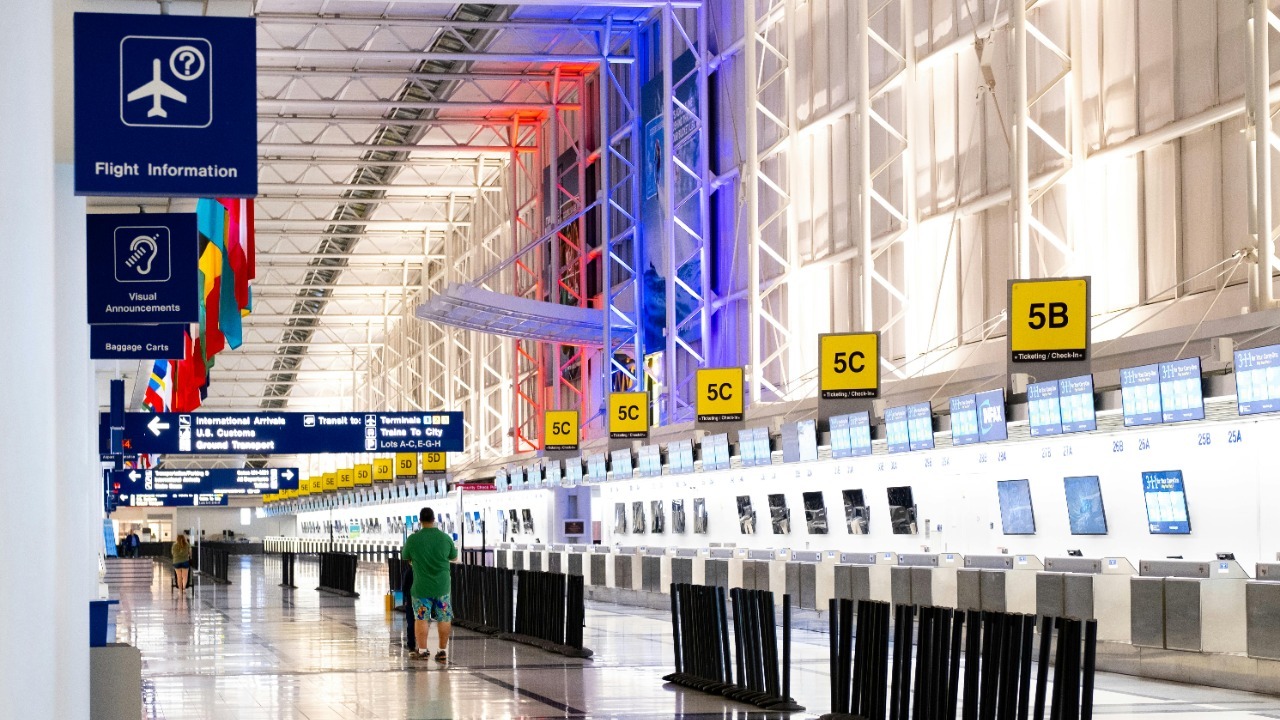
Airport terminals have quietly become some of the most expensive places in America to buy the basics, from bottled water to a quick sandwich. Travelers feel the sting in every concourse, yet the forces behind those markups are far more complex than simple corporate greed. I want to unpack how airport economics, security rules, and traveler behavior combine to push prices far above what most people see on the street.
The hidden economics of airport concessions
High prices at the gate start with the way airports make money. Most major hubs rely heavily on what they call “non-aeronautical revenue,” which includes rent from shops and restaurants, parking fees, and other services that have nothing to do with takeoff or landing. In many cases, these commercial streams account for a large share of total income, so airport authorities lean on concession leases and percentage-of-sales deals to fund everything from terminal renovations to debt payments on new runways, a structure that encourages operators to charge more per item to cover steep fixed costs and revenue-sharing obligations.
Those obligations are not small. Concessionaires typically pay high base rents plus a cut of every sale, and they must operate in spaces that are expensive to build out and tightly controlled by security and safety rules. Retailers face limited storage, restricted delivery windows, and specialized construction standards, all of which raise operating costs compared with a strip mall or downtown storefront. When a coffee stand has to absorb premium rent, security-badged staff, and off-hours deliveries that require extra labor, the easiest lever is a higher price on each latte or breakfast sandwich, a pattern that shows up across many airport retail contracts and financial disclosures airport revenue.
Security, scarcity and captive customers
Security rules also reshape the basic supply and demand equation. Since passengers cannot bring large bottles of liquids through checkpoints and face limits on outside food, they arrive in the secure area with constrained options. That captive demand gives airport vendors unusual pricing power, especially in terminals where a single operator controls multiple brands or where lease structures limit direct competition. When travelers have a tight connection or only a few minutes before boarding, they are far more likely to accept a $5 bottle of water or a marked-up salad than to hunt for a cheaper alternative in another concourse, and concessionaires design their offerings around that time pressure and restricted choice security rules.
On the supply side, getting goods into the terminal is more complicated than stocking a typical store. Deliveries often must pass through secure loading docks, with drivers and shipments subject to screening and access controls that slow down logistics and add labor. Some airports require consolidated distribution centers or specific vendors, which can limit bargaining power and raise wholesale costs. When every case of snacks or soft drinks has to clear extra layers of security and coordination, the per-unit cost climbs, and those higher inputs show up in the final price that travelers see on the shelf secure logistics.
Brand expectations, “street pricing” promises and what travelers can do
Many airports publicly promise “street pricing,” a policy that is supposed to keep terminal prices close to what the same brands charge in town. In practice, those pledges often include fine print that allows a markup, such as a cap of 10 percent above off-airport prices, and enforcement can be uneven. Some hubs have audited concession menus and forced rollbacks after viral complaints about $27 beers or double-digit breakfast tabs, but others rely on self-reporting by vendors or only spot-check a small sample of items. The result is a patchwork where a traveler might find near-normal prices in one terminal and eye-watering markups in another, even under the same airport authority’s umbrella street pricing.
Branding further complicates expectations. When a familiar chain like Starbucks, Shake Shack, or Hudson appears behind security, passengers often assume they will pay roughly what they do in the city, only to discover that the same latte or burger costs significantly more. In many cases, those airport locations are run by third-party concession companies under licensing deals, not by the brands themselves, which means pricing decisions are driven by local lease economics rather than national menus. Some airports have pushed operators to post clear comparisons with off-airport prices or to highlight value options, but the underlying incentives still favor higher margins on a captive audience licensed outlets.
Travelers are not entirely powerless, although their options are limited by security rules. Planning ahead can blunt the worst of the markups: filling a reusable bottle at a post-security water fountain, using airline lounges that offer food and drinks as part of a membership or premium ticket, or relying on mobile apps to compare menus across the terminal before committing to a sit-down meal. Some airports publish concession maps and price guidelines online, and a few have experimented with delivery apps that let passengers order from multiple vendors at once, which can introduce a bit more competition on both convenience and cost. Those tools do not change the structural economics that keep airport prices elevated, but they can help individual travelers navigate a system that is designed, from the lease level up, to squeeze more revenue out of every layover traveler strategies.
More From TheDailyOverview
- Dave Ramsey says these two simple questions show whether you’re rich or poor
- Retired But Want To Work? Try These 18 Jobs for Seniors That Pay Weekly
- IRS raises capital gains thresholds for 2026 and what’s new
- 12 ways to make $5,000 fast that actually work

Grant Mercer covers market dynamics, business trends, and the economic forces driving growth across industries. His analysis connects macro movements with real-world implications for investors, entrepreneurs, and professionals. Through his work at The Daily Overview, Grant helps readers understand how markets function and where opportunities may emerge.

