
Despite the rising popularity of vintage items among younger generations, baby boomers seem to consistently undervalue and undersell their vintage gear. Exploring the reasons behind this trend reveals a complex interplay of generational perceptions, market dynamics, and emotional factors.
Understanding the Boomer Mindset

Baby boomers often have a unique connection with vintage items, viewing them through a lens of nostalgia and practicality. For many boomers, these items are not just commodities but sentimental keepsakes that remind them of a bygone era. This emotional attachment often leads them to undervalue such items when considering their resale potential. The thought of parting with an item that holds personal memories can overshadow its monetary value, leading to an underestimation of what younger generations might be willing to pay.
Their formative years, marked by economic growth and consumerism, shaped boomers’ views on ownership and value differently compared to today’s collectors. Raised in a time of plenty, many boomers developed a tendency to accumulate items without a keen focus on their future market value. This contrasts with younger generations who often see value in rarity and historical significance. Furthermore, boomers may not fully grasp the current market dynamics, where vintage is no longer just old—it’s in vogue. The rising demand for vintage fashion among younger consumers is often overlooked by those who aren’t actively engaged with these trends.
Economic and Market Dynamics

The economic principles of supply and demand play a significant role in the undervaluation of vintage goods by boomers. The visible supply of such items often exceeds the immediate demand perceived by boomers, creating a false impression of low value. This imbalance is partly due to the proliferation of online platforms where vintage goods are abundant but not always accurately priced. Without thorough market research, boomers may list items based on outdated or erroneous beliefs about their worth.
Moreover, the lack of familiarity with modern resale platforms like eBay or Depop can hinder boomers from setting competitive prices. These platforms, which younger generations frequent, have reshaped the pricing strategies for vintage goods. Boomers might fear alienating potential buyers by pricing items too high, resulting in lower asking prices. The influence of these platforms on pricing strategies cannot be overstated, as they offer a wider audience but also require a certain degree of digital literacy that some boomers may lack.
Cultural and Emotional Factors

Sentimental attachment plays a crucial role in how boomers price their vintage items. The emotional value attached to a cherished item from one’s past can lead to a reluctance to part with it at market value. For example, a boomer might have held onto a vinyl record collection for decades, valuing it more for the memories it evokes rather than its market price. This emotional connection can skew their perception of what the item is worth to others.
Additionally, there is a fear of overpricing. Many boomers worry that asking too much for their items could alienate potential buyers. This fear is compounded by a perception that their items, while old, might not hold the same value for others. The difference between intrinsic and market value becomes apparent here, as boomers often see the former as more significant. The disconnection between these perspectives can lead to a significant undervaluation of vintage goods.
Generational Differences in Value Perception

Fashion and aesthetic trends have shifted dramatically over the decades, contributing to differing perceptions of value between boomers and younger generations. What was once considered out of style is now sought after by those who appreciate its vintage charm. Boomers, however, might not see the appeal in an old leather jacket or a retro lamp, failing to recognize their resurgence in popularity. This generational gap in fashion and aesthetics can make it challenging for boomers to gauge the true market value of their items.
Technology plays a pivotal role in assessing the value of vintage goods. Many boomers might not be as tech-savvy, which can affect their ability to navigate online marketplaces and accurately assess the value of their items. The lack of familiarity with digital tools and resources can be a barrier to realizing the potential worth of their vintage gear. Furthermore, boomers often intend to pass down their possessions as part of their legacy, which can lead to an emotional undervaluation. The intention to leave items as an inheritance can diminish the perceived need to sell them at their market value.
The Future of Vintage Resale
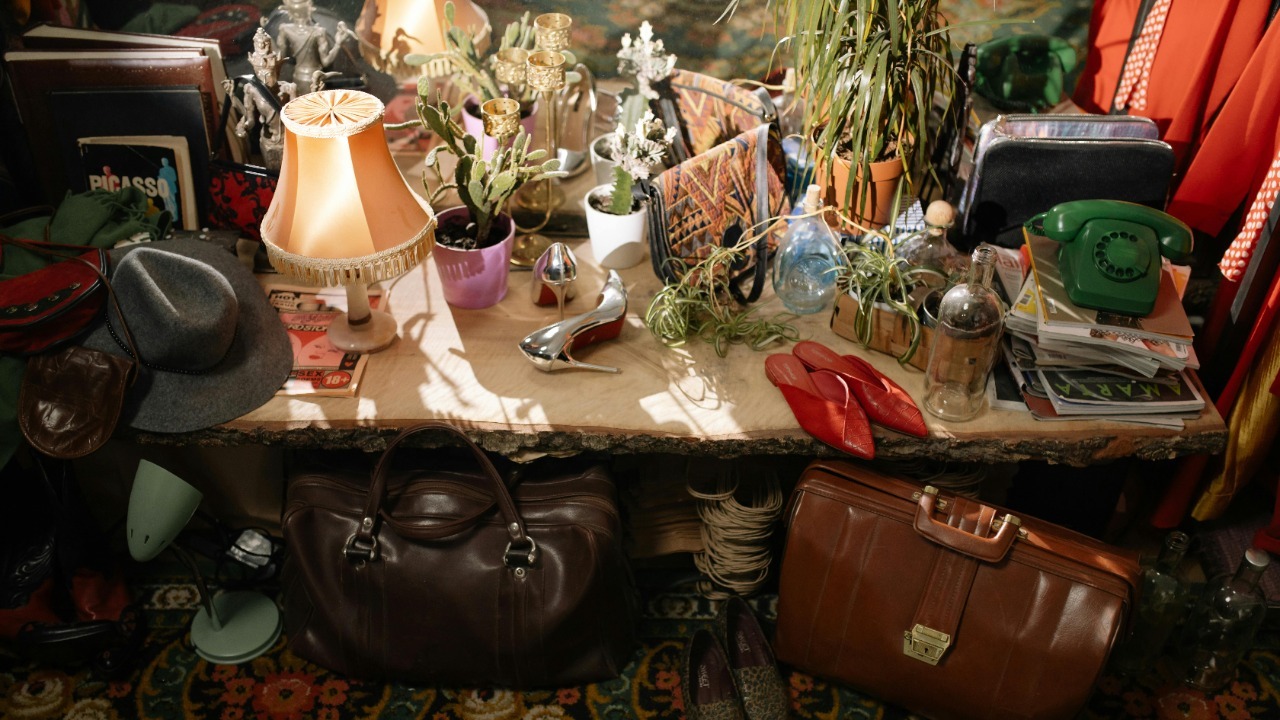
Educating boomers about the current market dynamics can help bridge the knowledge gap and enable them to appreciate the true value of their vintage items. Workshops and online resources can be effective in providing the necessary insights into pricing strategies and market trends. By understanding the demand for vintage goods, boomers can make informed decisions that align more closely with the expectations of younger buyers.
As attitudes shift, boomers might start to embrace the environmental benefits of selling vintage items. The growing awareness of sustainability and environmental consciousness can encourage them to see resale not just as a financial transaction but as a contribution to reducing waste. By adopting this perspective, boomers can find greater motivation to engage with the vintage market, benefiting both financially and environmentally.

Cole Whitaker focuses on the fundamentals of money management, helping readers make smarter decisions around income, spending, saving, and long-term financial stability. His writing emphasizes clarity, discipline, and practical systems that work in real life. At The Daily Overview, Cole breaks down personal finance topics into straightforward guidance readers can apply immediately.

