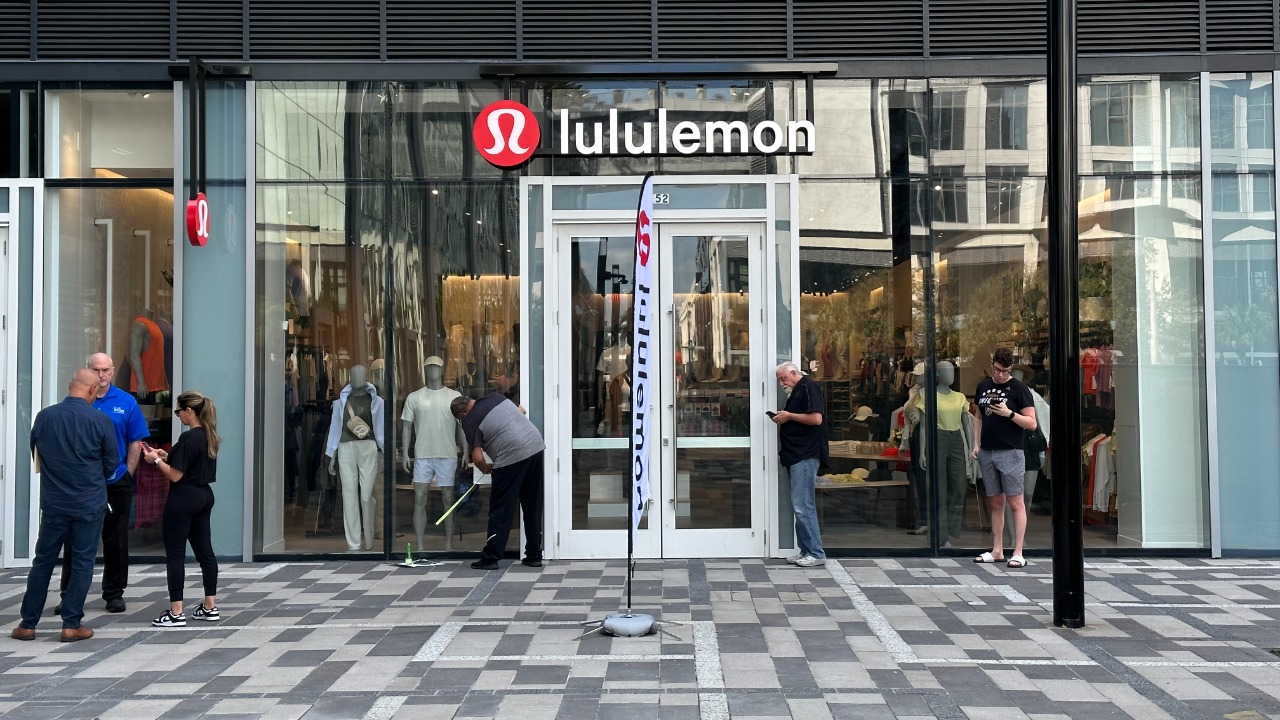
In recent years, premium brands like Lululemon and Smucker’s have increasingly turned to the courts to combat the rise of store-brand products that closely mimic their signature offerings. This legal trend is exemplified by Lululemon’s lawsuit against Costco, filed on July 1, 2025, which accuses the retailer of copying its athleisure designs. Such cases underscore a growing tension between protecting brand identity and retailers’ strategies to offer affordable alternatives. As highlighted in recent reports, these legal battles are not limited to clothing but extend to everyday items like jams and yogurts, reflecting a broader conflict over intellectual property rights.
Lululemon’s Battle Against Costco Dupes
Lululemon’s lawsuit against Costco centers on allegations that the retailer’s Kirkland Signature line has copied its athleisure designs, particularly leggings and sports bras. The lawsuit, filed on July 1, 2025, claims that Costco’s products infringe on Lululemon’s trademarked “Scarecrow” and “Luon” fabrics. Lululemon argues that these imitations dilute its brand’s unique selling points and mislead consumers. In response, Costco maintains that its products are independently developed and do not violate any intellectual property rights. This case highlights the challenges premium brands face in safeguarding their innovations against cheaper alternatives.
Smucker’s Pushback on Store-Brand Jams
Smucker’s has also taken legal action against retailers for producing store-brand jams that closely resemble its own fruit spreads. The company claims that these generic products infringe on its trademarks by mimicking Smucker’s packaging and flavor profiles. Key allegations include the use of labels that evoke Smucker’s iconic glass jars and branding elements, which the company argues erode its market dominance in the $1 billion U.S. preserves sector. These lawsuits illustrate the financial stakes involved, as Smucker’s seeks to protect its position in a highly competitive market.
The Broader Trend of Brand vs. Retailer Litigation
The legal battles between brands and retailers extend beyond apparel and food, with cosmetics companies also suing over similar store-brand copycats. Big-box retailers like Walmart and Target have been accused of accelerating the production of dupes to undercut premium pricing. This trend has led to a 30% increase in such lawsuits since 2023, as reported in aggregated legal filings. The cases involve a wide range of products, from skincare to snacks, highlighting the pervasive nature of this issue across various industries.
Reasons Driving These Courtroom Clashes
The motivations behind these lawsuits often revolve around intellectual property concerns, with brands citing the dilution of unique selling points as a primary issue. For instance, Lululemon emphasizes its fabric innovations, while Smucker’s focuses on its recipe secrecy. On the other hand, retailers face economic pressures to boost private-label sales, which now account for 20% of grocery revenue in major chains. Additionally, consumer confusion plays a role, with surveys indicating that shoppers mistake store brands for originals in 40% of purchases.
Potential Outcomes and Industry Impacts
The outcomes of these legal battles could lead to settlements requiring label changes or product redesigns for store-brand dupes. Such resolutions may stabilize prices for these products if lawsuits succeed, but could also result in higher costs if retailers are forced to pull imitations from shelves. In the long term, brands may increase patent filings and marketing efforts to differentiate themselves from generics. For consumers, these developments could impact product availability and pricing, depending on the success of the lawsuits.
As brands like Lululemon and Smucker’s continue to pursue legal action against retailers, the implications for the industry are significant. These cases not only highlight the ongoing struggle to protect intellectual property but also reflect broader economic and consumer trends. The outcomes of these lawsuits will likely shape the strategies of both brands and retailers in the years to come.
More From TheDailyOverview
- Dave Ramsey warns to stop 401(k) contributions
- 11 night jobs you can do from home (not exciting but steady)
- Small U.S. cities ready to boom next
- 19 things boomers should never sell no matter what

Grant Mercer covers market dynamics, business trends, and the economic forces driving growth across industries. His analysis connects macro movements with real-world implications for investors, entrepreneurs, and professionals. Through his work at The Daily Overview, Grant helps readers understand how markets function and where opportunities may emerge.

