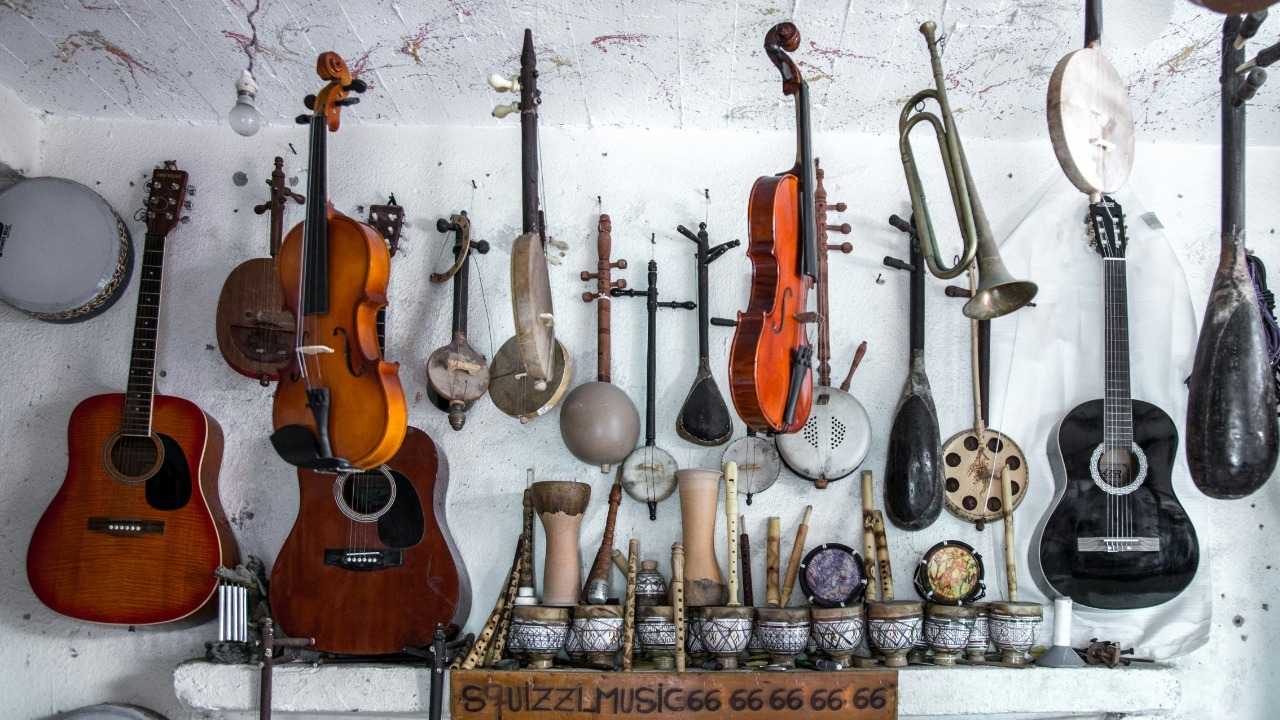
Broken instruments might seem worthless at first glance, but their value extends far beyond their ability to create music. These seemingly useless pieces often fetch significant sums for various reasons, ranging from historical significance to artistic repurposing. Understanding the underlying factors that drive this market can provide insights into the cultural and economic forces at play.
Historical Significance and Provenance
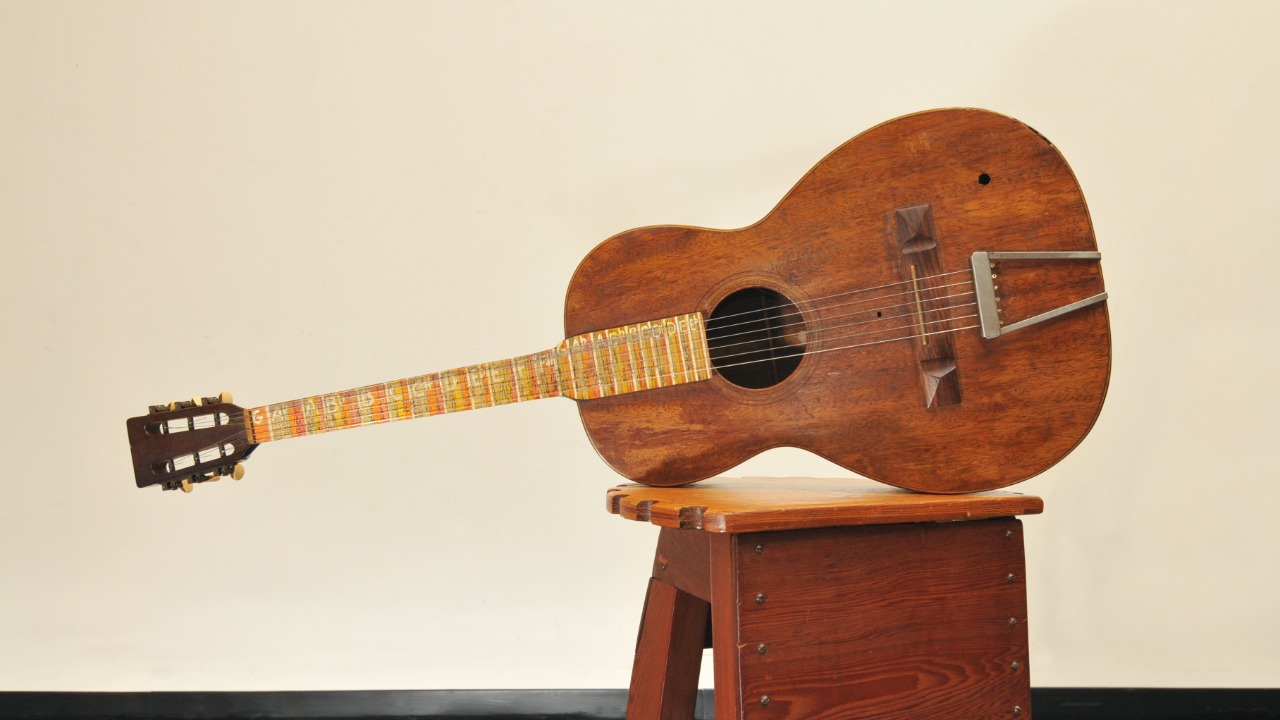
Instruments with a connection to famous musicians can become valuable collectibles, regardless of their condition. For instance, a guitar that belonged to Jimi Hendrix or a piano once played by Beethoven holds intrinsic value due to its association with these iconic figures. Even if these instruments are no longer in playable condition, their historical significance is undiminished. Collectors and fans alike are often willing to pay a premium for the chance to own a piece of music history, providing a tangible link to the creative geniuses who once used them.
Beyond individual musicians, broken instruments can also possess cultural and historical value. They serve as tangible connections to pivotal moments in music history or cultural movements. For example, a damaged saxophone from the Harlem Renaissance era or a broken guitar from the Woodstock festival carries with it the essence of these transformative times. These instruments become artifacts that tell stories of cultural evolution and societal change, making them highly sought after by collectors and historians.
The role of provenance in establishing an instrument’s authenticity cannot be overstated. Proper documentation and authentication are crucial in verifying an instrument’s history and establishing its market value. Provenance provides a verified history of ownership and usage, which can significantly increase an instrument’s worth. Collectors rely on this information to ensure they are acquiring genuine pieces, and a well-documented provenance can make all the difference in a sale.
Artistic and Creative Repurposing
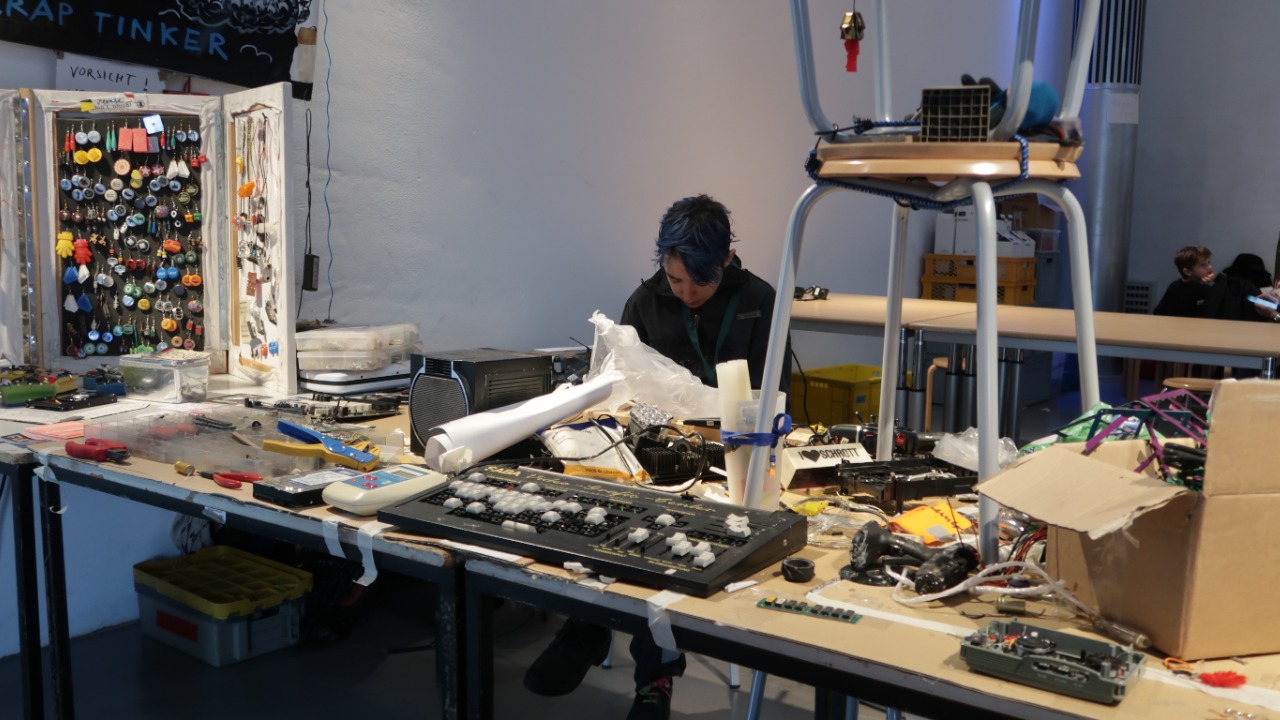
Artists and designers have long been drawn to the challenge of transforming damaged instruments into unique works of art. This process, known as upcycling, gives broken instruments new life and purpose. For example, a shattered violin might be reimagined as a stunning sculpture, or a dented trumpet could become a striking piece of modern art. These creations not only highlight the beauty and craftsmanship of the original instruments but also showcase the artist’s ingenuity and creativity.
Beyond their aesthetic value, broken instruments carry rich potential for symbolism and storytelling. In artistic expression, they often serve as metaphors for resilience and transformation. A fragmented cello, for instance, might symbolize the perseverance of music through adversity, resonating deeply with audiences. This narrative potential adds layers of meaning to the artwork, making it more than just a visual piece but a story that engages the viewer on multiple levels.
Collaborative artistic projects further illustrate the potential of broken instruments to foster creativity and engagement. Community initiatives like the “Broken Orchestra” project in Philadelphia, which involved repairing damaged school instruments, demonstrate the power of collective action in artistic endeavors. Such projects not only breathe new life into discarded instruments but also bring people together, fostering a sense of community and shared purpose.
Technical and Educational Value
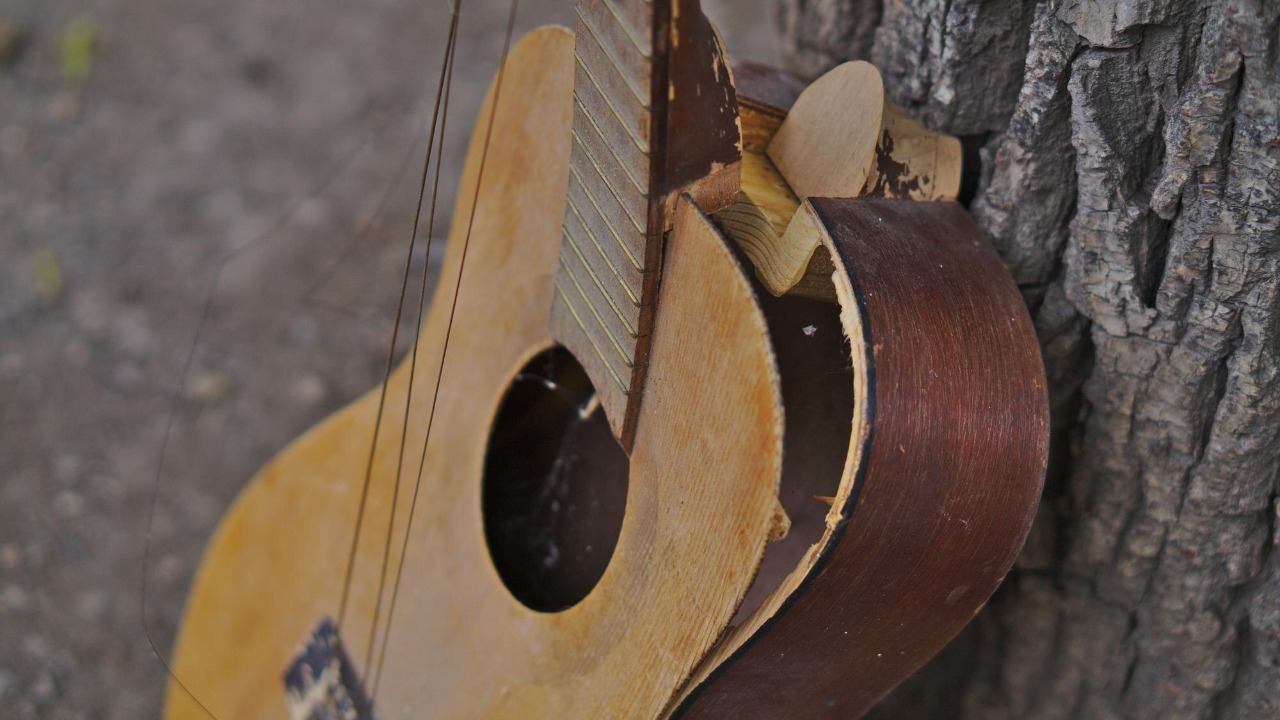
Broken instruments hold considerable educational value, particularly in the field of restoration and repair. They provide a practical learning experience for students and craftsmen, teaching them the skills and techniques necessary to restore musical instruments. By working on damaged pieces, learners gain hands-on experience and develop a deeper understanding of the intricacies involved in instrument repair. This knowledge is invaluable for preserving the longevity of musical instruments and ensuring their continued use.
Moreover, damaged instruments offer insights into the design and construction methods of different eras. By studying these instruments, researchers and craftsmen can learn about historical techniques and materials, which can inspire new innovations in instrument design. For instance, examining a broken Stradivarius violin might reveal secrets about its unique sound quality, influencing modern violin making. This technical study not only helps preserve historical craftsmanship but also drives innovation within the field.
Broken instruments also play a role in academic and scientific research. They contribute to fields such as acoustics and material science, where researchers study the properties of different materials and their impact on sound production. By analyzing damaged instruments, scientists can gain insights into how specific materials affect tone and resonance, leading to advancements in instrument design and acoustic technology.
Market Dynamics and Economic Factors
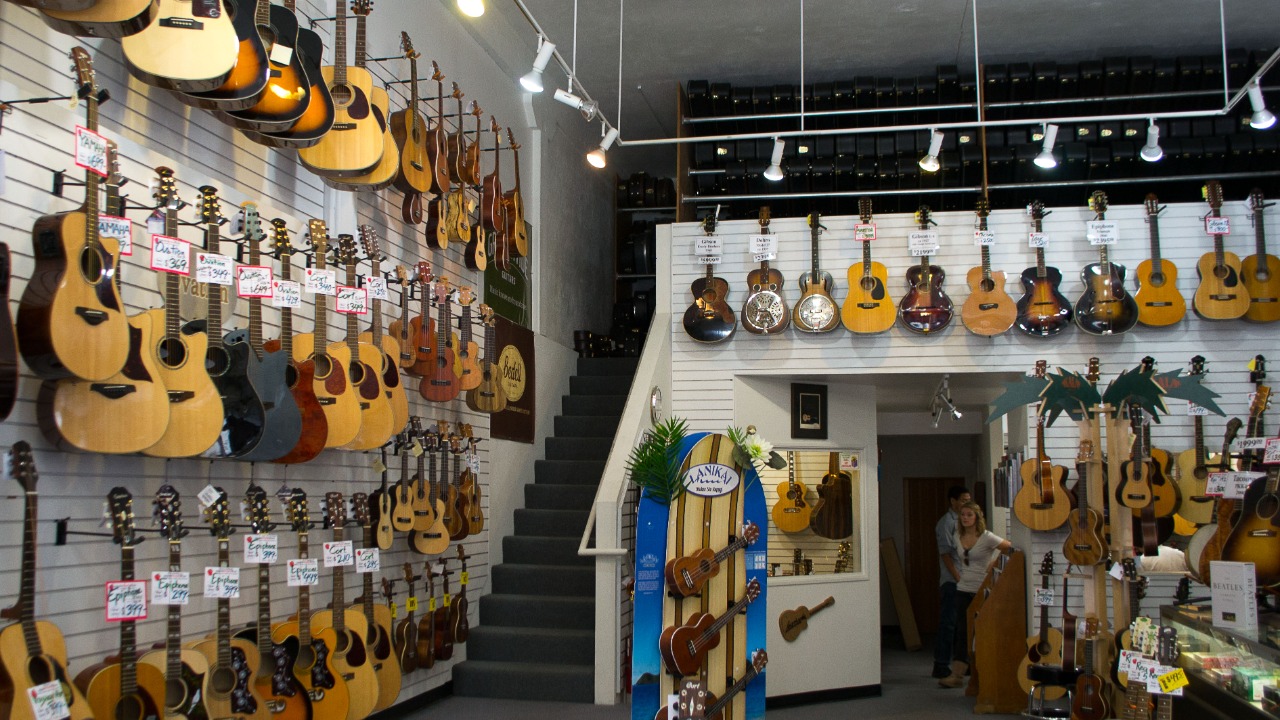
The rarity and scarcity of broken instruments significantly impact their perceived value within the collector’s market. Instruments that are rare or have a unique history tend to command higher prices, even in a damaged state. This scarcity creates a competitive market where collectors are willing to pay a premium for the chance to own a one-of-a-kind piece. The limited availability of such instruments enhances their allure and drives demand among enthusiasts.
Recent trends in auction sales of broken instruments reflect broader economic and cultural shifts. For example, a broken Fender Stratocaster guitar used by Kurt Cobain sold for a substantial sum at auction, highlighting the enduring appeal of iconic musicians and their instruments. These auction trends indicate a growing appreciation for the historical and cultural significance of broken instruments, as well as their potential as investment opportunities. Collectors view these instruments as valuable assets that can appreciate over time, influenced by factors such as market demand and cultural relevance.
Furthermore, the investment potential of broken instruments cannot be overlooked. In niche markets, collectors see these pieces as not only valuable cultural artifacts but also as investment opportunities. The factors influencing their appreciation or depreciation include market trends, the instrument’s provenance, and its historical significance. As the market for musical memorabilia continues to grow, broken instruments are increasingly viewed as a viable investment option, offering both cultural enrichment and financial returns.
Cultural and Emotional Connections
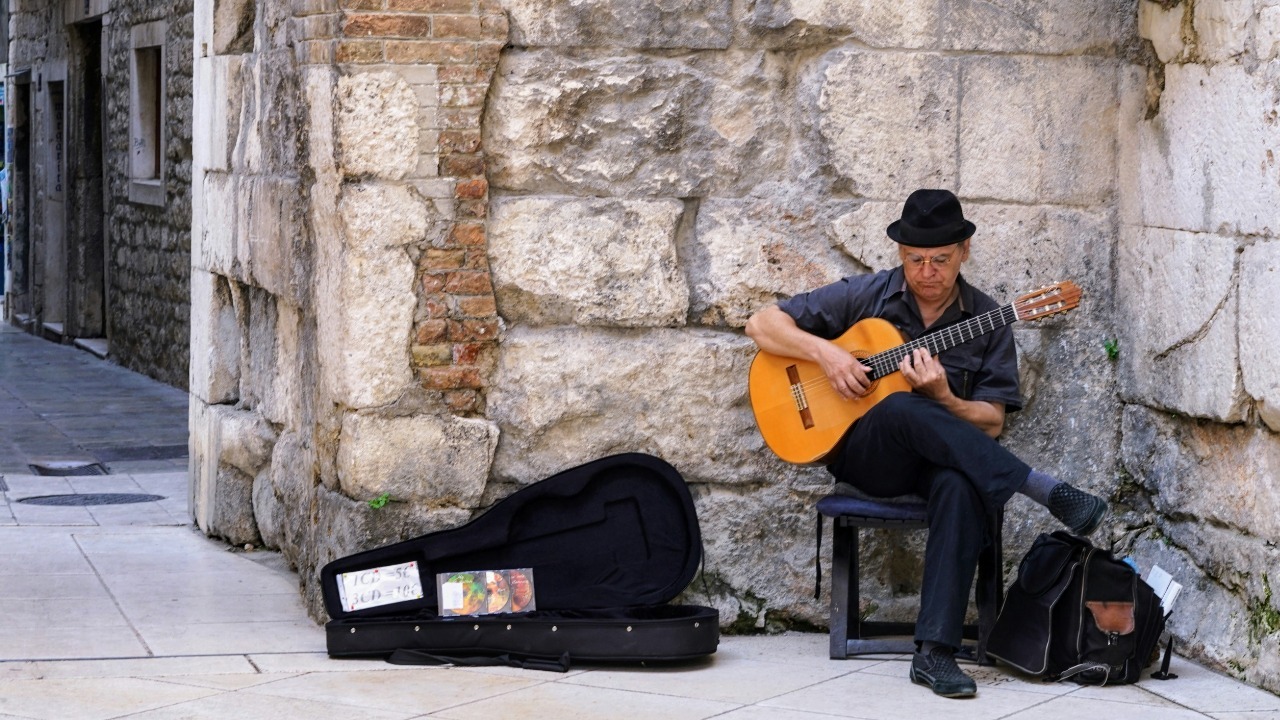
Nostalgia and sentimentality play a significant role in driving demand for broken instruments. Many individuals have emotional connections to certain instruments, whether they are reminiscent of a favorite musician or a cherished era in music history. This emotional attachment can lead to a strong desire to own a piece of that history, even if the instrument is no longer in playable condition. The sentimental value of these instruments often outweighs their physical imperfections, making them highly sought after by collectors and fans alike.
Broken instruments also contribute to a sense of community and identity among collectors and enthusiasts. These pieces serve as symbols of shared interests and passions, bringing together individuals with a common love for music and history. Collectors often form communities centered around their shared appreciation for these instruments, fostering connections and friendships through their mutual interests. This sense of belonging enhances the perceived value of broken instruments, as they become more than just collectibles but also catalysts for community building.
Moreover, broken instruments are often used as a means of memorialization and tribute. They serve as poignant reminders of artists, movements, or historical events, enhancing their perceived value. For instance, a damaged guitar from the punk rock era might be used to pay tribute to the rebellious spirit of the movement, while a broken piano from the jazz age could honor the genre’s cultural impact. These instruments become symbols of remembrance, preserving the legacy of the past and celebrating the artists and moments that shaped music history.

Cole Whitaker focuses on the fundamentals of money management, helping readers make smarter decisions around income, spending, saving, and long-term financial stability. His writing emphasizes clarity, discipline, and practical systems that work in real life. At The Daily Overview, Cole breaks down personal finance topics into straightforward guidance readers can apply immediately.

