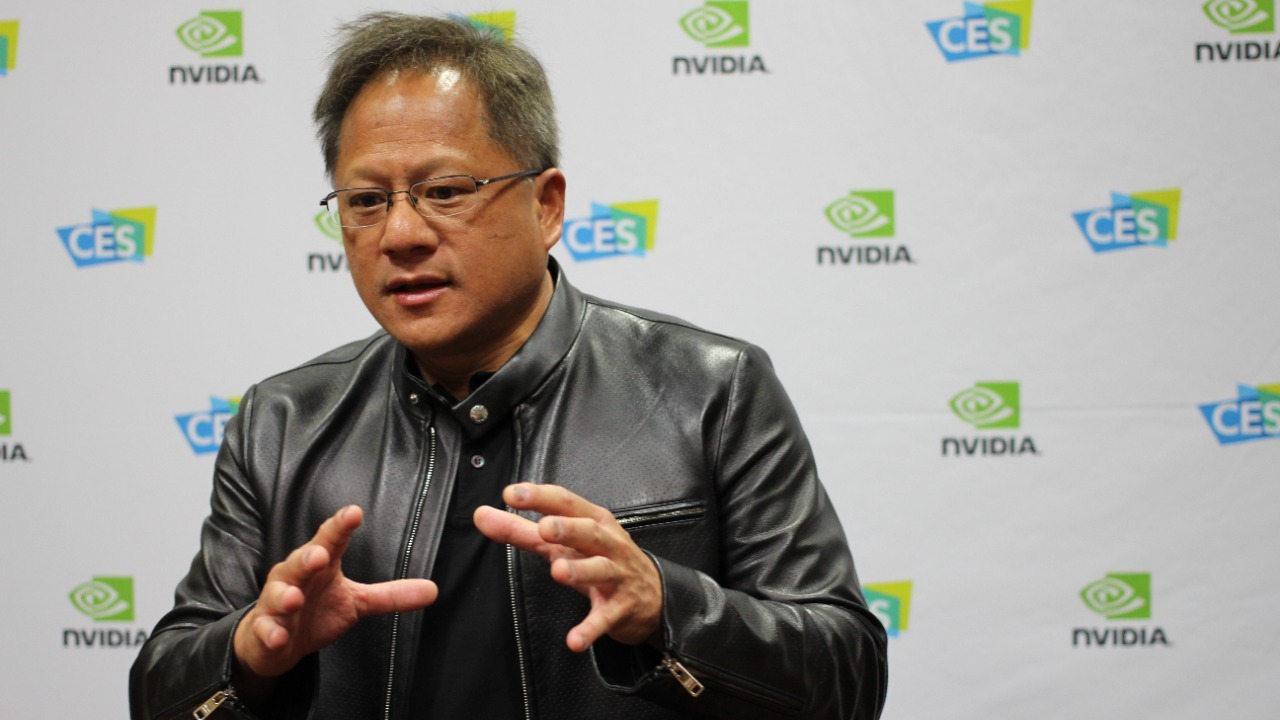
Nvidia CEO Jensen Huang’s recent meeting with Taiwan Semiconductor Manufacturing Company (TSMC) is a pivotal moment for Nvidia’s strategic positioning in the AI sector. As demand for AI technologies surges, Huang’s request for increased wafer production capacity from TSMC underscores the critical need for advanced chip manufacturing. This move is particularly significant as it involves ramping up production of Nvidia’s next-generation Blackwell chips, which are essential for AI applications and could significantly enhance Nvidia’s revenue growth. Investors are closely monitoring these developments, as such supply chain alignments often indicate strong growth potential for Nvidia’s stock.
The Meeting’s Key Details and Requests
Jensen Huang’s direct appeal to TSMC for additional wafer production is a strategic response to the strong demand for AI technologies. Huang emphasized the necessity for TSMC to significantly increase its output to support Nvidia’s expansion in AI hardware. This request is not just about meeting current demand but also about positioning Nvidia to capture a larger share of the AI market. The meeting, held in Taiwan, highlights TSMC’s crucial role as Nvidia’s primary manufacturing partner for advanced semiconductors. This partnership is vital for Nvidia to maintain its competitive edge in the rapidly evolving AI landscape.
The strategic location of the meeting in Taiwan is significant, given TSMC’s status as a leading semiconductor manufacturer. By securing more production capacity from TSMC, Nvidia aims to ensure a steady supply of its high-performance chips, which are essential for powering AI applications. This move aligns with Nvidia’s broader strategy to dominate the AI hardware market and reflects Huang’s commitment to leveraging TSMC’s capabilities to meet the growing demand for AI technologies. The implications of this meeting extend beyond immediate production needs, as it reinforces the long-term reliability of Nvidia’s supply chain.
Implications for Nvidia’s AI Strategy
The request for more wafers from TSMC aligns with the strong demand for Nvidia’s Blackwell chips, positioning the company to capture a larger share of the AI market. This demand surge is driven by the increasing adoption of AI technologies across various industries, necessitating a robust supply of high-performance chips. By securing additional production capacity, Nvidia can accelerate its delivery timelines for AI infrastructure to cloud providers and enterprises, thereby enhancing its competitive position in the market.
Huang’s prior endorsement of TSMC as a “Very Smart” buy in the AI space further underscores the strategic importance of this partnership. This endorsement, made on August 29, 2025, highlights TSMC’s role in ensuring long-term supply chain reliability for Nvidia. By aligning with TSMC, Nvidia not only addresses immediate production needs but also reinforces its strategic positioning in the AI sector. This partnership is crucial for Nvidia to maintain its leadership in the AI hardware market and capitalize on the growing demand for AI technologies.
The broader AI story is one of rapid growth and innovation, with increased TSMC production playing a key role in accelerating Nvidia’s delivery timelines. By securing more wafers, Nvidia can meet the growing demand for AI infrastructure, enabling cloud providers and enterprises to deploy AI technologies more efficiently. This capability is essential for Nvidia to maintain its competitive edge and drive revenue growth in the AI sector.
Impact on NVDA Stock and Market Dynamics
Jensen Huang’s meeting with TSMC is positioned as a major catalyst for Nvidia’s stock performance. By securing additional wafer production capacity, Nvidia can enhance its chip supply, leading to potential revenue uplifts. This development is particularly significant as it addresses the growing demand for AI technologies, which is a key driver of Nvidia’s revenue growth. Investors are optimistic about Nvidia’s ability to meet this demand through its partnership with TSMC, which is reflected in the positive market reactions following the news.
Market reactions to the news from November 8, 2025, onward have been largely positive, with investors expressing confidence in Nvidia’s ability to meet AI demand through its partnership with TSMC. This confidence is based on Nvidia’s strategic positioning in the AI sector and its ability to leverage TSMC’s manufacturing capabilities to secure a steady supply of high-performance chips. The implications of this partnership extend beyond immediate production needs, as it reinforces Nvidia’s long-term growth potential in the AI market.
However, there are also risks and opportunities associated with this development. Geopolitical factors in Taiwan could potentially affect supply chains, posing a risk to Nvidia’s production capabilities. Despite these challenges, the projected growth in AI chip sales presents significant opportunities for Nvidia to drive revenue growth and maintain its leadership in the AI sector. By securing additional production capacity from TSMC, Nvidia is well-positioned to capitalize on these opportunities and continue its growth trajectory in the AI market.
More From TheDailyOverview
- Dave Ramsey says these two simple questions show whether you’re rich or poor
- Retired But Want To Work? Try These 18 Jobs for Seniors That Pay Weekly
- IRS raises capital gains thresholds for 2026 and what’s new
- 12 ways to make $5,000 fast that actually work

Elias Broderick specializes in residential and commercial real estate, with a focus on market cycles, property fundamentals, and investment strategy. His writing translates complex housing and development trends into clear insights for both new and experienced investors. At The Daily Overview, Elias explores how real estate fits into long-term wealth planning.

