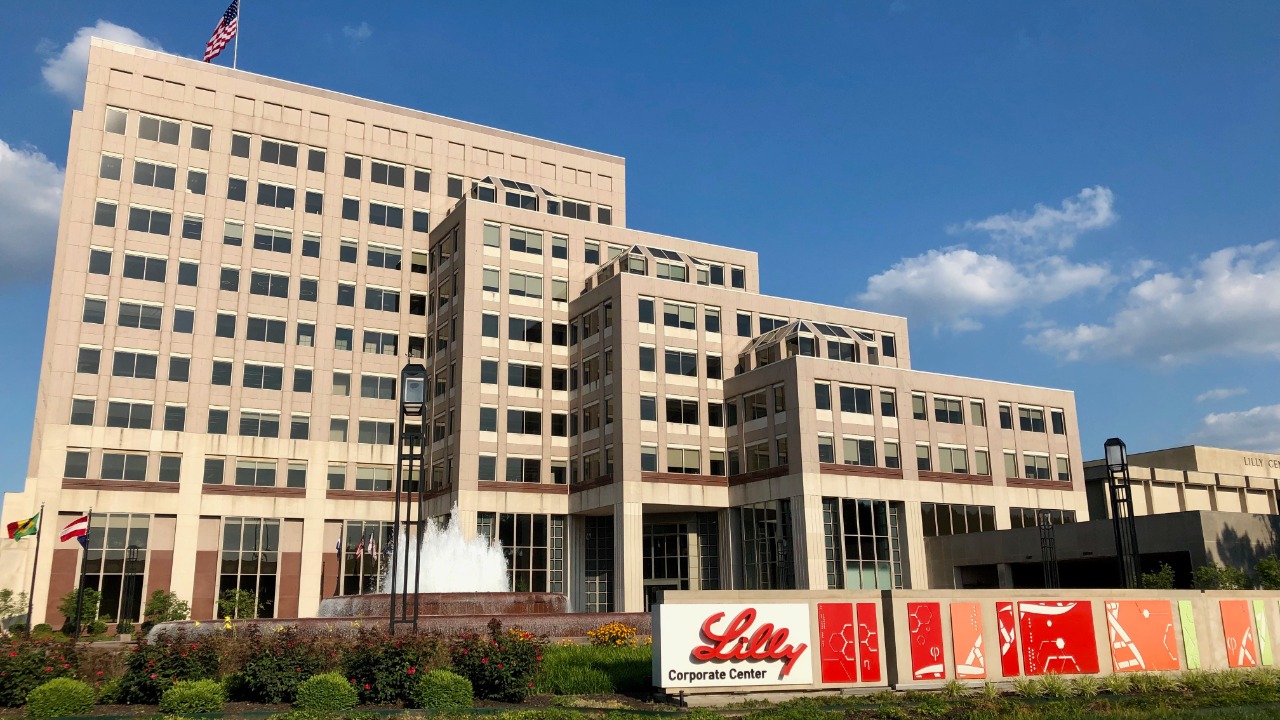
Eli Lilly’s stock is experiencing a remarkable surge, nearing an all-time high as strategic price cuts on key drugs like Zepbound boost demand and market share. Despite initial concerns over pricing risks, the company’s shares recently traded at $732, driven by a surge in GLP-1 sales. This follows impressive earnings reported on October 30, 2025, which exceeded forecasts and enhanced the company’s outlook for the year. However, the stock did face a dip on August 7, 2025, when broader indexes like the Dow and S&P 500 ended lower due to disappointing drug data.
Strategic Price Reductions Driving Demand
Eli Lilly’s decision to reduce drug prices, particularly for its weight-loss treatment Zepbound, is proving to be a savvy move that is expanding access and increasing volume sales. By lowering prices, Eli Lilly has alleviated competitive pressures in the GLP-1 sector, which in turn is pushing its stock toward an all-time high. The market has responded positively to these reductions, as they have made treatments more accessible to a broader patient base, thereby increasing overall revenue. This strategy is detailed in a recent analysis that highlights how these pricing adjustments are directly impacting patient uptake and market dynamics.
The specific pricing adjustments have had an immediate impact on patient adoption rates. By making Zepbound more affordable, Eli Lilly has not only increased its market penetration but also strengthened its position against competitors. This approach has been particularly effective in the GLP-1 sector, where competition is fierce, and price sensitivity is high. As a result, Eli Lilly’s stock is experiencing a significant boost, reflecting investor confidence in the company’s ability to navigate the competitive landscape successfully.
Blowout Earnings and Upbeat Forecasts
On October 30, 2025, Eli Lilly reported earnings that significantly exceeded analyst forecasts, driven by strong contributions from its GLP-1 products. This performance has fueled stock gains and led to an upward revision of the company’s 2025 outlook. The earnings report highlighted robust sales figures from treatments like Zepbound, which have been instrumental in offsetting any short-term pricing concessions.
The lifted outlook for 2025 emphasizes Eli Lilly’s projections for continued growth in high-demand drug categories. This optimistic forecast is supported by the company’s strategic pricing decisions, which have not only increased sales volumes but also enhanced profitability. The strong earnings performance underscores Eli Lilly’s ability to capitalize on market opportunities and maintain its competitive edge in the pharmaceutical industry.
GLP-1 Sales Surge Amid Pricing Dynamics
The surge in GLP-1 sales is playing a crucial role in sustaining Eli Lilly’s stock at $732, even as drug pricing risks rise in a competitive landscape. Zepbound, in particular, has been a key driver of this momentum. By lowering prices, Eli Lilly has accelerated the adoption and market penetration of Zepbound, which has contributed significantly to the company’s overall sales growth. This dynamic is explored in a recent report that highlights the impact of pricing strategies on market performance.
Despite the positive momentum, Eli Lilly’s stock did experience volatility earlier in the year. On August 7, 2025, the stock fell following disappointing drug data, coinciding with declines in the Dow and S&P 500. This incident underscores the challenges and risks associated with drug pricing and market competition. However, the subsequent recovery and sustained growth in GLP-1 sales demonstrate Eli Lilly’s resilience and strategic acumen in navigating these challenges.
Broader Market Context and Stock Trajectory
Eli Lilly’s stock trajectory toward an all-time high is closely linked to the interplay of price cuts and blockbuster drug performance. The company’s strategic pricing decisions have not only driven demand but also positioned it favorably within the broader market context. External factors, such as index movements, have also played a role in shaping the stock’s performance. For instance, on August 7, 2025, tech shares provided some lift to the market despite Eli Lilly’s dip, as reported by Yahoo Finance.
Looking ahead, Eli Lilly’s ongoing pricing strategies are expected to sustain its stock at record levels. The company’s ability to adapt to market dynamics and leverage its competitive advantages will be crucial in maintaining its upward trajectory. As reported by Barron’s, the momentum generated by Zepbound’s success is likely to continue driving the company’s growth and stock performance in the foreseeable future.
More From TheDailyOverview
- Dave Ramsey says these two simple questions show whether you’re rich or poor
- Retired But Want To Work? Try These 18 Jobs for Seniors That Pay Weekly
- IRS raises capital gains thresholds for 2026 and what’s new
- 12 ways to make $5,000 fast that actually work

Elias Broderick specializes in residential and commercial real estate, with a focus on market cycles, property fundamentals, and investment strategy. His writing translates complex housing and development trends into clear insights for both new and experienced investors. At The Daily Overview, Elias explores how real estate fits into long-term wealth planning.

