
As inflation continues to challenge economies worldwide, small towns are emerging as unexpected champions in this financial battle. With their unique economic structures and community-oriented approaches, these towns are managing to keep inflation at bay more effectively than their urban counterparts. This exploration delves into how small towns are succeeding in this economic environment and provides insights into their strategies and advantages.
Community-Centric Economic Models

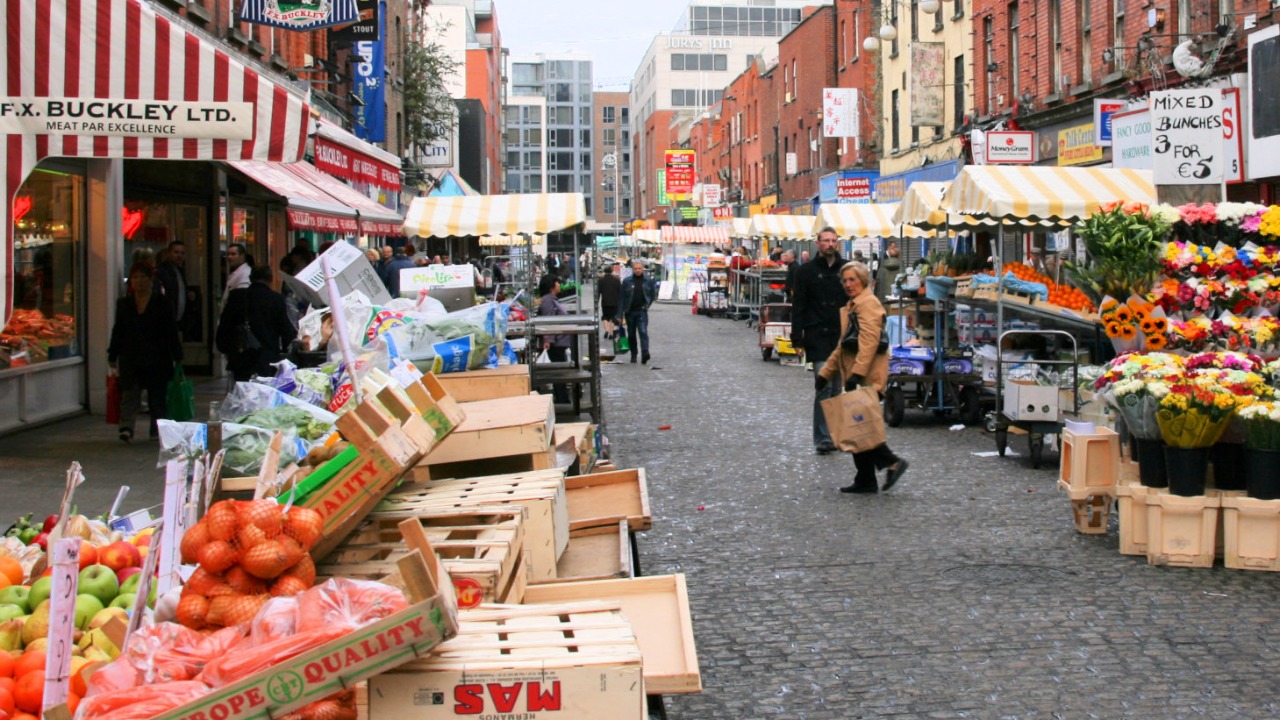
Small towns often prioritize supporting local businesses, which helps stimulate the local economy and create a resilient economic environment that can better withstand inflationary pressures. By focusing on local enterprises, these communities ensure that money circulates within the town, benefiting residents directly. This approach contrasts with urban areas, where large chain stores often dominate, siphoning profits out of the local economy.
In addition to supporting local businesses, many small towns have adopted or maintained barter systems and trade networks. These systems reduce reliance on cash transactions, thereby mitigating the impact of inflation on day-to-day expenses. For example, a local farmer might trade produce with a neighbor who provides carpentry services, allowing both parties to benefit without exchanging money. This kind of economic interaction fosters a sense of community and mutual support.
The close-knit nature of small towns means that community members often come together to support one another financially and resourcefully, creating a buffer against economic hardships. Whether it’s through informal lending circles or community fundraising events, these support networks provide a safety net that helps residents weather financial storms.
Cost of Living Advantages

One of the primary reasons small towns can beat inflation is their significantly lower housing costs compared to urban areas. With less demand and more space available, housing prices in small towns remain relatively stable, making living expenses more manageable for residents. This stability is a stark contrast to the volatile housing markets in many cities, where prices can skyrocket due to high demand and limited supply.
Residents of small towns often enjoy lower transportation costs, as well. With everything closer at hand, there’s less need for long commutes, reducing fuel expenses and wear and tear on vehicles. This proximity also means that public transportation, if available, is often more affordable and convenient than in sprawling urban areas.
The cost of goods and services in small towns remains relatively stable, even in inflationary periods, due to lower overhead costs for businesses. Local shops and service providers can often offer competitive prices because they don’t face the same high rent and operational costs as their urban counterparts. This affordability extends to everyday necessities, helping residents maintain their standard of living despite broader economic challenges.
Resourcefulness and Self-Sufficiency

Many small towns focus on sustainable practices, such as local farming and renewable energy sources, reducing dependency on external, inflation-affected resources. By producing their own food and energy, these communities can insulate themselves from price fluctuations in global markets. This emphasis on sustainability not only helps combat inflation but also promotes environmental stewardship.
The prevalence of a do-it-yourself culture and skills-sharing networks allows residents to save money and reduce their exposure to inflation by producing and repairing their own goods. Whether it’s through community workshops or informal skill exchanges, small town residents often have the knowledge and resources to tackle projects themselves, avoiding the need to hire expensive outside help.
Small towns may engage in local investment initiatives that encourage residents to invest in local projects, keeping money circulating within the community and shielding it from broader economic fluctuations. These initiatives can take many forms, from community-supported agriculture programs to local business cooperatives, all aimed at fostering economic resilience.
Financial Strategies and Education

Residents in small towns often have access to community banks and credit unions that offer competitive interest rates, helping them safeguard their savings against inflation. While the choice of inflation-beating savings accounts may be lower than a year ago, these local financial institutions often provide personalized service and tailored financial products that meet the specific needs of their communities.
Many small towns prioritize financial education, equipping residents with the knowledge to make savvy financial decisions that protect their assets in times of inflation. Workshops and seminars on budgeting, investing, and saving are common, empowering individuals to take control of their financial futures.
Small town communities often come together to share financial planning strategies and resources, further insulating themselves from the impacts of inflation. Whether through formal financial planning groups or informal discussions among neighbors, this collaborative approach helps residents navigate economic challenges more effectively.
Cultural and Lifestyle Considerations
The cultural emphasis on a simpler lifestyle in small towns reduces the demand for high-cost consumer goods that are more susceptible to inflationary pressures. By valuing experiences and relationships over material possessions, residents can maintain a high quality of life without the need for constant consumption.
Regular community events and longstanding traditions provide low-cost entertainment and socialization options, decreasing the need for spending on expensive leisure activities. From local festivals to community sports leagues, these events foster a sense of belonging and enjoyment that doesn’t rely on costly venues or activities.
Small towns tend to promote well-being and life satisfaction over material wealth, reducing the psychological urge to overspend in times of economic uncertainty. This focus on well-being is reflected in the strong community ties and support networks that characterize small-town life, offering residents a sense of security and contentment that money can’t buy.
While small towns may not be the first places that come to mind when considering economic resilience, their unique approaches to community, cost of living, and resourcefulness provide valuable lessons in managing inflation. As larger cities continue to grapple with economic challenges, these small communities offer a model of stability and sustainability that is worth emulating. For more insights on financial strategies and consumer advice, you can explore resources like the Money blog on Sky News.

Grant Mercer covers market dynamics, business trends, and the economic forces driving growth across industries. His analysis connects macro movements with real-world implications for investors, entrepreneurs, and professionals. Through his work at The Daily Overview, Grant helps readers understand how markets function and where opportunities may emerge.

