
Recent reports highlight a worrying trend: millennials are being fired at an alarming rate, a phenomenon that mirrors the experiences of Gen Z in the workforce. This development is not isolated, as bosses have similarly reported firing Gen Z employees shortly after hiring them, indicating underlying issues in work expectations and adaptability. The challenges faced by these generations in the workplace are prompting a reevaluation of employer expectations and the skills gap that seems to persist.
Millennial Workforce Challenges

Millennials are encountering unique challenges in the workplace, leading to higher termination rates. According to a report from FinanceBuzz, employers have identified a significant skills gap between what millennials expect from their roles and their actual performance. This gap often results in unmet expectations on both sides, leading to increased job dissatisfaction and turnover.
Employers have noted that millennials often enter the workforce with high expectations for rapid advancement and flexibility, yet they may lack the necessary skills or experience to meet these ambitions. This disconnect can create friction in traditional work environments where structured hierarchies and established processes are the norms. As a result, millennials may find themselves struggling to adapt, leading to higher rates of termination compared to previous generations.
Comparative Analysis with Gen Z

Both millennials and Gen Z are experiencing similar firing trends, suggesting a broader generational issue. Reports from MSN highlight that Gen Z graduates are often fired just months after being hired due to unmet expectations. This pattern indicates that the challenges faced by millennials are not unique to their generation but are also affecting their younger counterparts.
The rapid pace at which Gen Z employees are being let go suggests that the issues of adaptability and skills alignment are pervasive across younger generations. Employers have expressed concerns that both millennials and Gen Z may not be fully prepared for the realities of the workplace, which often require a balance of technical skills and soft skills such as communication and teamwork.
Employer Expectations and Realities

There is a notable mismatch between what employers expect from millennial employees and the reality of their performance. As reported by FinanceBuzz, organizations are finding it challenging to integrate millennials into traditional work structures. This difficulty arises from differing expectations regarding work-life balance, career progression, and the nature of work itself.
Employers often expect millennials to quickly adapt to existing workflows and contribute to organizational goals. However, millennials may prioritize personal development and work-life balance, leading to a clash of priorities. This misalignment can result in frustration for both parties, ultimately leading to higher turnover rates as millennials seek environments that better align with their values.
Moreover, the traditional metrics of success, such as long-term loyalty and hierarchical progression, are being challenged by millennials who often seek immediate impact and meaningful work. This shift in perspective can lead to misunderstandings, as employers may perceive a lack of commitment or patience from millennial employees. According to FinanceBuzz, this generational shift requires employers to reconsider how they define and reward success, potentially moving towards more dynamic and project-based evaluations.
Additionally, the integration of technology in the workplace has further complicated expectations. Millennials, who are generally tech-savvy, may expect more digital solutions and remote work opportunities than traditional employers are ready to offer. This technological expectation gap can hinder effective communication and collaboration, as noted by FinanceBuzz. Bridging this gap requires employers to not only invest in technology but also in training programs that enhance digital literacy across all generations in the workforce.
Potential Solutions and Adaptations
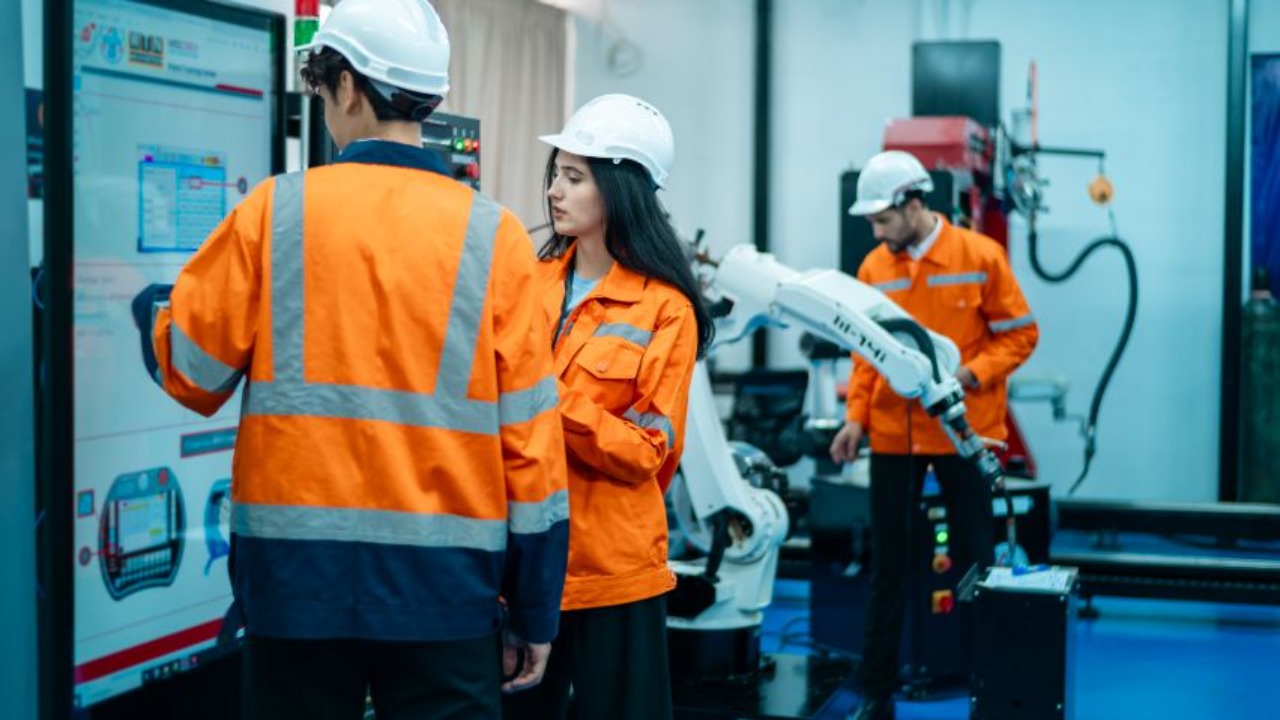
To address these challenges, companies are exploring new strategies to bridge the skills gap and improve retention rates among millennials. According to FinanceBuzz, some organizations are investing in training programs and mentorship opportunities to help millennials develop the skills needed to succeed in their roles. By providing clear pathways for career advancement and skill development, employers hope to align expectations and reduce turnover.
Additionally, there is a push for more adaptability in workplace environments to cater to the strengths of both millennials and Gen Z. As noted by Yahoo Finance, creating flexible work arrangements and fostering a culture of continuous learning can help retain younger employees. By embracing these changes, companies can create a more inclusive and supportive work environment that leverages the unique talents of each generation.
Future Workforce Considerations
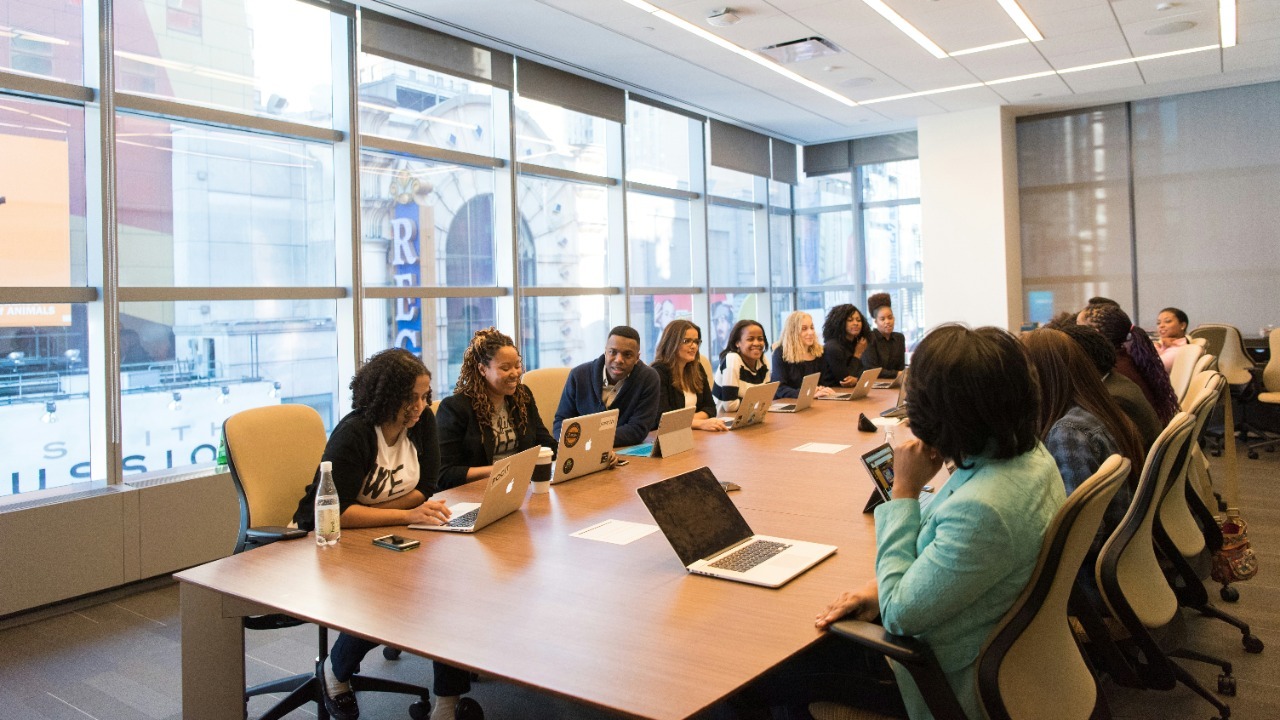
As the workforce evolves, understanding the distinct needs and contributions of millennials and Gen Z becomes crucial. Employers are reevaluating their hiring and management practices to better align with the skills and expectations of younger generations. This reevaluation involves not only adjusting job roles and responsibilities but also rethinking how success is measured and rewarded.
According to MSN, companies are increasingly recognizing the importance of fostering a culture that values diversity, innovation, and adaptability. By doing so, they can create an environment where millennials and Gen Z feel valued and motivated to contribute their best work. As these generations continue to shape the future of work, their influence will likely drive further changes in how organizations operate and succeed.
Looking ahead, the evolving landscape of work necessitates a proactive approach from employers to remain competitive and attractive to younger talent. As highlighted by MSN, companies are increasingly focusing on creating roles that offer a blend of stability and innovation, allowing employees to explore new ideas while contributing to core business objectives. This approach not only helps in retaining talent but also in fostering a culture of creativity and resilience.
Furthermore, as the workforce becomes more diverse, there is a growing emphasis on inclusivity and equity. Employers are encouraged to implement policies that support diverse hiring practices and create pathways for underrepresented groups to advance within the organization. By doing so, as noted by MSN, companies can harness a wider range of perspectives and ideas, driving innovation and growth in an increasingly globalized market.

Grant Mercer covers market dynamics, business trends, and the economic forces driving growth across industries. His analysis connects macro movements with real-world implications for investors, entrepreneurs, and professionals. Through his work at The Daily Overview, Grant helps readers understand how markets function and where opportunities may emerge.