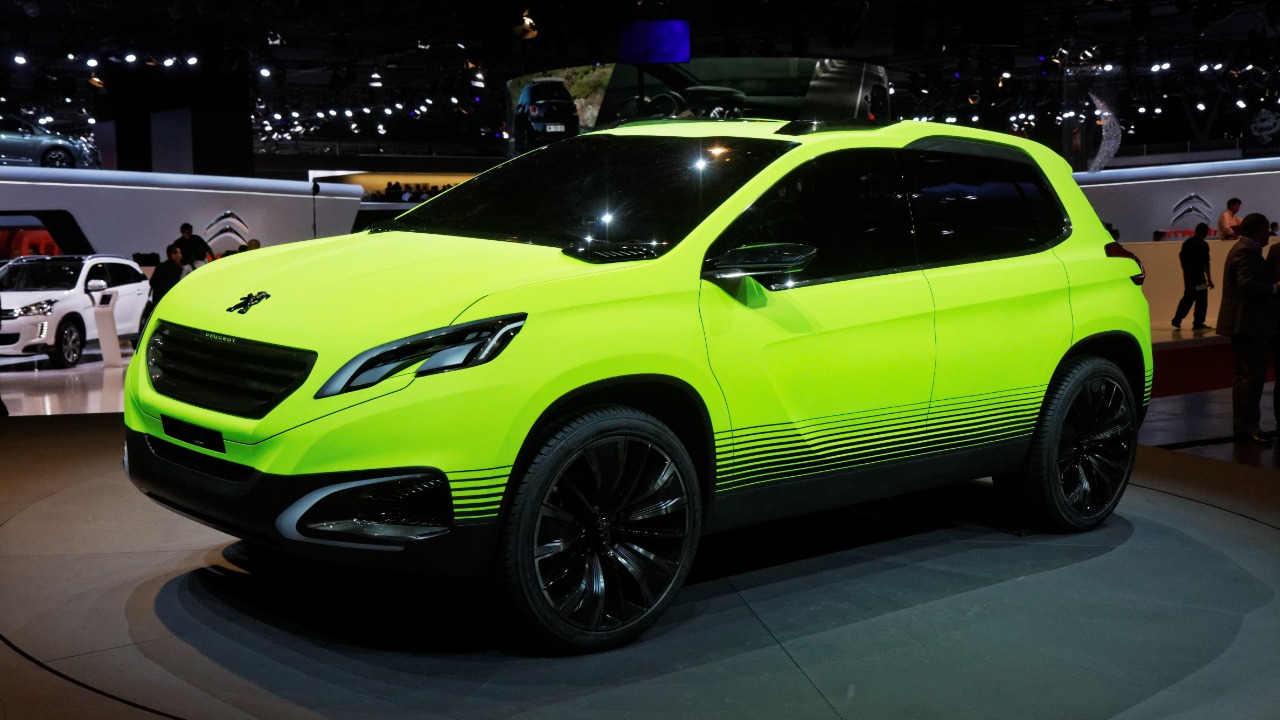
Sport Utility Vehicles (SUVs) have long been a favorite among American drivers, offering a blend of space, power, and versatility. However, some SUV owners have turned into critics, voicing concerns over issues such as fuel efficiency, safety, and environmental impact. Understanding these criticisms is crucial for both consumers and manufacturers aiming to address these concerns effectively.
Fuel Efficiency Concerns
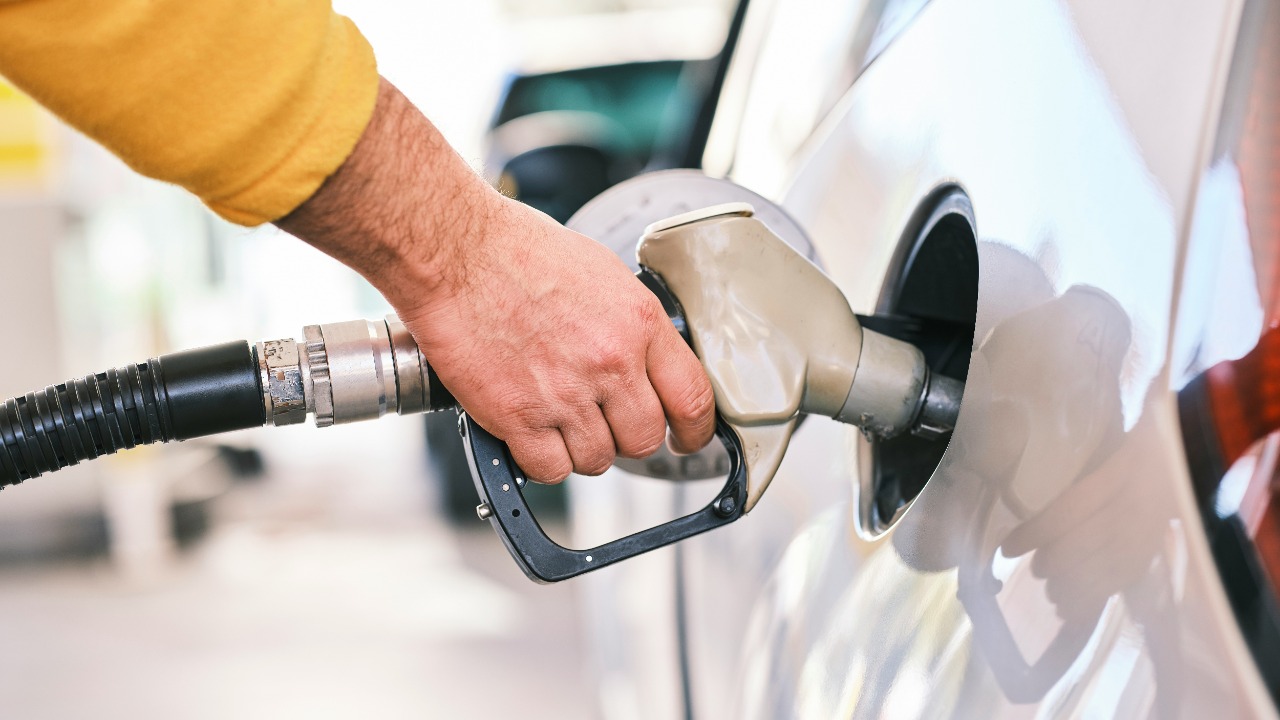
One of the most common criticisms of SUVs is their fuel efficiency. Many SUV models are known for their high fuel consumption compared to smaller vehicles, which can lead to increased costs for owners and a larger carbon footprint. According to a report by the Environmental Protection Agency (EPA), the average fuel economy for SUVs is significantly lower than that of sedans, with some models achieving less than 20 miles per gallon in city driving conditions. This discrepancy has led to growing dissatisfaction among environmentally conscious consumers who feel that their vehicle choice is at odds with their sustainability goals.
Manufacturers have attempted to address these concerns by introducing hybrid and electric SUV models. For instance, the Ford Escape Hybrid and the Toyota RAV4 Hybrid offer improved fuel efficiency without sacrificing the space and power that SUV owners expect. However, these models often come with a higher price tag, which can be a barrier for some consumers. The transition to more fuel-efficient SUVs is a complex issue that involves balancing consumer demand, technological advancements, and environmental considerations.
Safety and Handling Issues
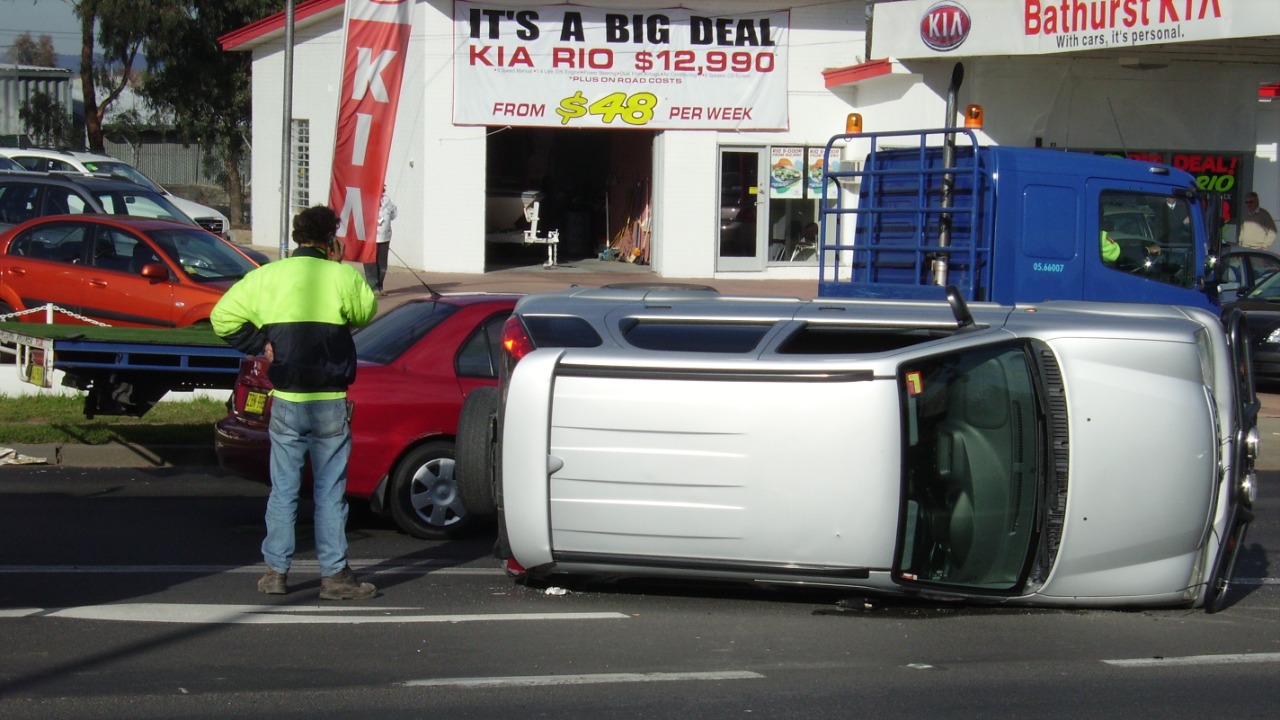
Safety is another area where some SUV owners have expressed dissatisfaction. Due to their larger size and higher center of gravity, SUVs are more prone to rollover accidents compared to smaller cars. The National Highway Traffic Safety Administration (NHTSA) has highlighted that rollover crashes account for a significant percentage of fatalities in SUV accidents. This has raised concerns among safety advocates and has led to calls for improved design and safety features in SUVs.
In response, manufacturers have been incorporating advanced safety technologies such as electronic stability control, lane departure warnings, and automatic emergency braking systems to enhance the safety of their SUV models. Despite these advancements, some critics argue that the inherent design of SUVs still poses a risk, particularly in high-speed or off-road conditions. As a result, potential buyers are advised to carefully consider the safety ratings and features of SUVs before making a purchase.
Environmental Impact
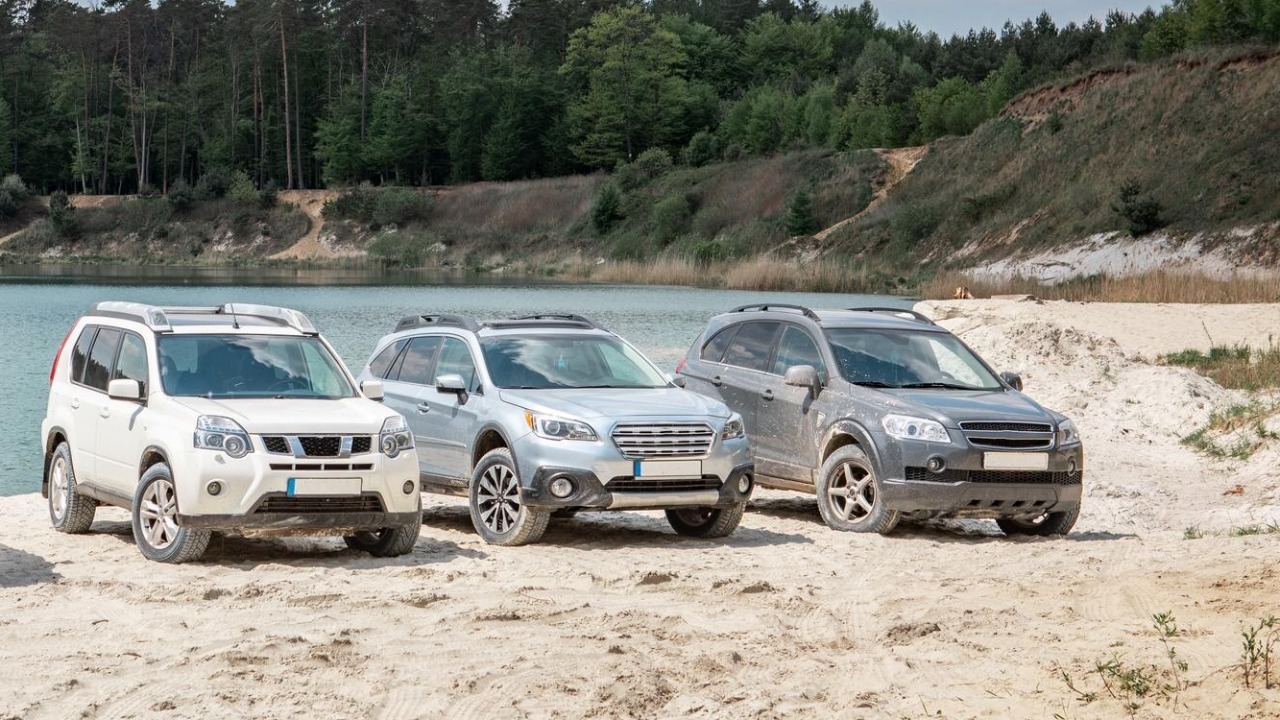
The environmental impact of SUVs is a significant concern for many critics. SUVs typically produce more emissions than smaller vehicles, contributing to air pollution and climate change. According to the International Energy Agency (IEA), SUVs were the second-largest contributor to the increase in global carbon dioxide emissions from 2010 to 2018. This statistic has fueled debates about the role of SUVs in a sustainable future and has prompted calls for stricter emissions regulations.
To mitigate their environmental impact, some manufacturers are investing in electric SUVs. Tesla’s Model X and the Audi e-tron are examples of fully electric SUVs that aim to offer the benefits of traditional SUVs while reducing emissions. However, the adoption of electric SUVs is still in its early stages, and widespread acceptance will depend on factors such as charging infrastructure, battery technology, and consumer willingness to transition from gasoline-powered vehicles.
Cost and Maintenance

Another factor that turns some SUV owners into critics is the cost and maintenance associated with these vehicles. SUVs generally have higher purchase prices compared to sedans or compact cars, and their maintenance and repair costs can also be more expensive. This is partly due to the complexity of their design and the specialized parts required for repairs.
Additionally, insurance premiums for SUVs can be higher due to their increased risk of accidents and the potential for more costly repairs. These financial considerations can lead to buyer’s remorse among some SUV owners, particularly if they did not fully anticipate the long-term costs associated with their vehicle choice. As a result, potential buyers are encouraged to conduct thorough research and consider the total cost of ownership before purchasing an SUV.
Conclusion
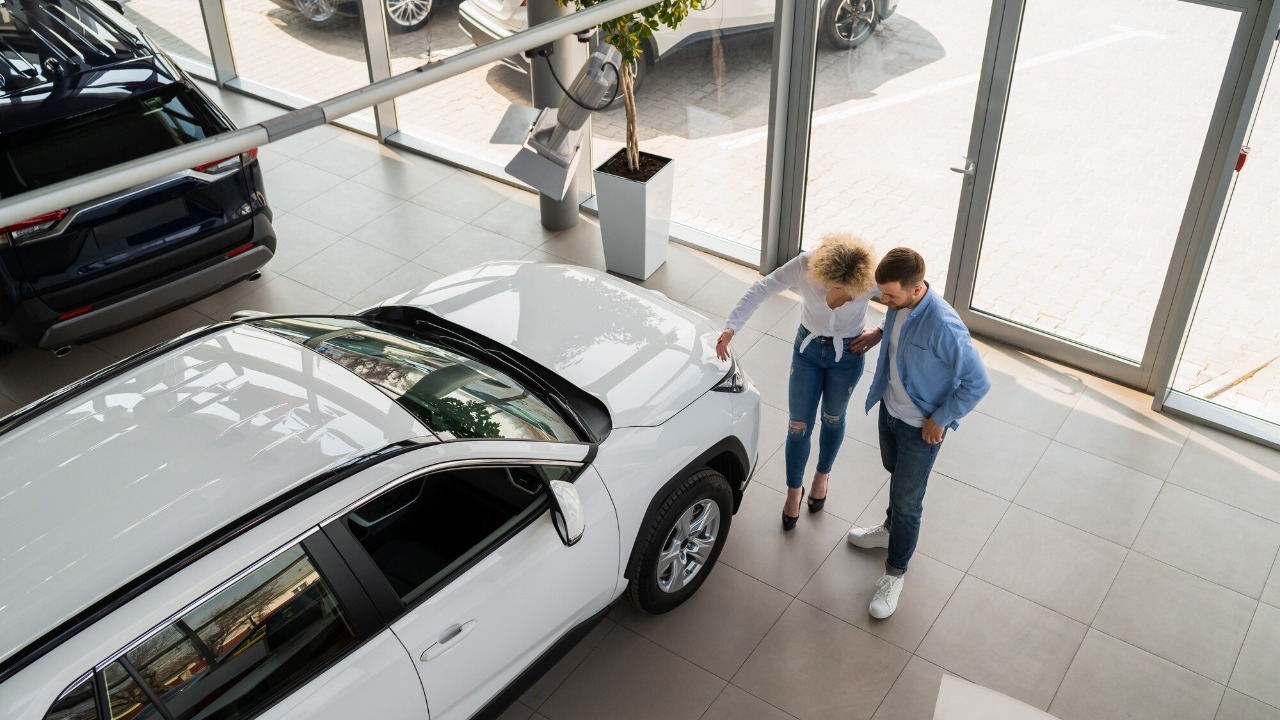
While SUVs continue to be popular for their versatility and space, the criticisms from some owners highlight important areas for improvement. Issues such as fuel efficiency, safety, environmental impact, and cost are significant factors that influence consumer satisfaction. As the automotive industry evolves, addressing these concerns will be crucial for manufacturers aiming to maintain consumer trust and loyalty. By focusing on innovation and sustainability, the industry can work towards creating SUVs that meet the needs of modern drivers without compromising on performance or environmental responsibility.
Moreover, the evolution of consumer preferences and regulatory landscapes will play a pivotal role in shaping the future of SUVs. As governments worldwide implement stricter emissions standards and promote greener technologies, manufacturers are compelled to innovate and adapt. This shift not only challenges traditional automotive paradigms but also opens opportunities for advancements in hybrid and electric vehicle technologies. Consumers, on the other hand, are becoming more informed and discerning, demanding vehicles that align with their values of sustainability and safety. This dynamic interaction between consumer expectations and industry capabilities will likely drive the next generation of SUVs towards a more sustainable and efficient future.
In addition, the role of technological advancements cannot be understated. The integration of artificial intelligence and connectivity features in SUVs is transforming the driving experience, offering enhanced safety, convenience, and personalization. These innovations, while promising, also raise questions about data privacy and cybersecurity, which manufacturers must address to ensure consumer confidence. As the automotive industry continues to evolve, the balance between technological innovation, environmental responsibility, and consumer satisfaction will be crucial in determining the success and acceptance of future SUV models.

Cole Whitaker focuses on the fundamentals of money management, helping readers make smarter decisions around income, spending, saving, and long-term financial stability. His writing emphasizes clarity, discipline, and practical systems that work in real life. At The Daily Overview, Cole breaks down personal finance topics into straightforward guidance readers can apply immediately.
