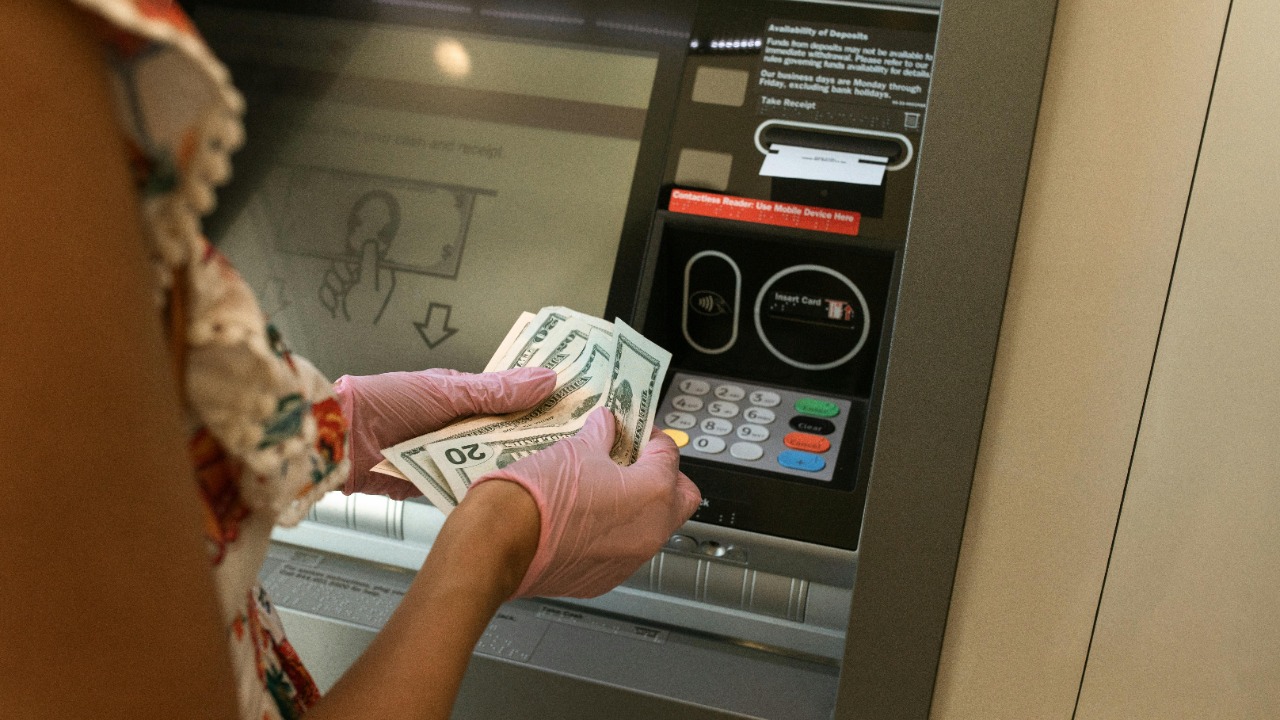
Withdrawing $10,000 or more in cash from a U.S. bank account automatically triggers a report to the federal government. This requirement is part of a broader effort to monitor financial activities that could indicate money laundering or tax evasion. The rule, which applies to single or related transactions, aims to balance the need for security with the protection of individual privacy. Recent discussions have focused on how this system manages to maintain transparency in banking while respecting personal freedoms.
The Origins of the $10,000 Reporting Rule
The $10,000 reporting rule has its roots in the Bank Secrecy Act of 1970, which was designed to combat organized crime and illicit financial activities. This legislation required financial institutions to report large cash transactions, setting the $10,000 threshold as the cutoff for mandatory Currency Transaction Reports (CTRs). Banks must file these reports using Form 104 within 15 days of the transaction. Over the years, the rule has been updated, notably by the Patriot Act in 2001, which expanded monitoring capabilities without changing the core dollar amount. These updates reflect ongoing efforts to adapt to evolving financial crime tactics while maintaining the original intent of the legislation.
What Triggers a Bank to Report Your Withdrawal
A bank is required to report any single cash withdrawal of $10,000 or more, as well as multiple related withdrawals that total this amount within one business day. Banks determine “related” transactions by looking at factors such as whether they are conducted by the same person or for the same purpose across different accounts or branches. However, certain non-cash transactions or legitimate business activities, like payroll deposits, may be exempt from triggering a report. This distinction helps ensure that routine business operations are not unnecessarily scrutinized while still capturing potentially suspicious activities.
The Process of Government Notification
When a reportable transaction occurs, the bank files a CTR with the Financial Crimes Enforcement Network (FinCEN). This report includes details such as the customer’s name, account information, and the purpose of the transaction. The data collected is shared with agencies like the IRS for tax compliance checks and the FBI for criminal investigations. However, not every report leads to an audit. Privacy protections are in place to ensure that customers are not notified of the filing, and banks are prohibited from disclosing the existence of a report under penalty of law. This system aims to protect individual privacy while enabling effective monitoring of financial activities.
Consequences of Attempting to Avoid Reporting
Attempting to avoid the $10,000 reporting requirement by breaking up a large withdrawal into smaller amounts is known as “structuring,” and it is illegal. This practice triggers a separate Suspicious Activity Report (SAR). Penalties for structuring can be severe, including civil fines up to $250,000 or criminal charges with up to five years in prison under 31 U.S.C. § 5324. Real-world cases have shown that individuals caught structuring can face asset forfeiture or account freezes, highlighting the significant risks involved in trying to circumvent the law. These consequences serve as a deterrent against attempts to evade financial scrutiny.
Practical Tips for Large Withdrawals
For those needing to withdraw large sums legally, alternatives like wire transfers or cashier’s checks can be considered. While these methods may avoid CTRs, they could still prompt SARs if deemed suspicious. It’s advisable to document the purpose of any large withdrawal, such as for a home purchase or an emergency, to address potential inquiries from bank staff. Consulting a financial advisor or attorney before planning significant cash needs can help ensure compliance with regulations and minimize unnecessary scrutiny. By understanding the rules and preparing accordingly, individuals can manage their finances effectively while staying within legal boundaries.
More From TheDailyOverview
- Dave Ramsey warns to stop 401(k) contributions
- 11 night jobs you can do from home (not exciting but steady)
- Small U.S. cities ready to boom next
- 19 things boomers should never sell no matter what

Julian Harrow specializes in taxation, IRS rules, and compliance strategy. His work helps readers navigate complex tax codes, deadlines, and reporting requirements while identifying opportunities for efficiency and risk reduction. At The Daily Overview, Julian breaks down tax-related topics with precision and clarity, making a traditionally dense subject easier to understand.

