
Despite being among the highest earners in the nation, many individuals in the top 10% of income still report feeling financially strained. This paradox highlights the complexities of modern economic pressures, where rising costs and lifestyle inflation can erode even substantial incomes. Understanding why these high earners feel broke provides insights into broader financial challenges facing Americans today.
The Illusion of Wealth

High Cost of Living in Urban Areas
For many high earners, the illusion of wealth is shattered by the reality of living in metropolitan areas where the cost of living is exceedingly high. Cities like New York, San Francisco, and Los Angeles are known for their exorbitant housing costs, which can absorb a large portion of even a substantial salary. When housing, transportation, and everyday expenses are factored in, what might seem like a comfortable income can quickly be stretched thin.
This concentration of high-paying jobs in expensive cities means that high earners often find themselves living paycheck to paycheck, despite earning salaries that would be considered exceptional in other parts of the country. The necessity to live near workforces that offer these high salaries further exacerbates financial pressures, making a significant income feel insufficient.
Lifestyle Inflation
Another factor contributing to the financial strain experienced by the top 10% is lifestyle inflation. As salaries increase, so do expectations and perceived needs. There is often a societal and personal pressure to upgrade one’s lifestyle to match income, leading to increased spending on housing, cars, and luxury goods. This phenomenon can lead to a situation where, despite earning more, individuals do not feel financially secure.
Maintaining a lifestyle that aligns with high-income levels can be expensive. From dining at upscale restaurants to taking international vacations, these expenses can quickly add up. Over time, the pressure to keep up appearances can result in financial strain, even for those who are technically well-off.
Debt and Financial Obligations

Student Loans and Mortgage Debt
Even among high earners, student loans and mortgage debt can consume a substantial portion of income. Many high-income individuals carry significant debt from their education, which can take decades to repay. Despite earning high salaries, these debts can severely limit disposable income, making it difficult to save or spend on non-essential items.
Mortgage debt also plays a significant role. The desire to own a home in a desirable area often leads to substantial mortgage payments. Coupled with property taxes and maintenance costs, these obligations can further erode financial security, leaving less room for savings and other financial pursuits.
Credit Card and Consumer Debt
Reliance on credit cards to maintain high lifestyle standards is another contributing factor to financial strain. Credit cards offer a convenient way to finance purchases, but they also lead to accumulating debt. This cycle of debt can quickly spiral out of control, impacting financial stability and creating a sense of being financially trapped.
Moreover, consumer debt can be a hidden burden for many high earners. The ease of obtaining credit can lead to overspending, with monthly payments cutting into income that could otherwise be allocated to savings or investments. The pressure to keep up with expenses can make even high earners feel financially vulnerable.
The Pressure to Save and Invest

Retirement Savings Expectations
For high earners, the expectation to save aggressively for retirement can be daunting. With longer life expectancies and the uncertainty of social security, there is a growing pressure to ensure financial stability in retirement. This pressure can be overwhelming, even for those with substantial incomes, as the need to save significant amounts each month can feel constricting.
The emphasis on retirement savings can lead to a scenario where individuals prioritize long-term security over current financial comfort, creating a tension between present and future needs.
Investment Risks and Returns
Investment is another area where high earners face financial pressure. The risk associated with investing in volatile markets can affect financial security, even for the wealthiest individuals. The pressure to achieve high returns can lead to risky financial decisions, which can, in turn, result in significant losses.
The unpredictability of market conditions can make it challenging to feel secure, as even a slight downturn can have a substantial impact on financial portfolios. This financial vulnerability adds to the sense of feeling broke, as high earners navigate the complexities of investment risks and returns.
Healthcare and Education Costs

Rising Healthcare Expenses
Healthcare costs are another significant burden for high earners. As healthcare expenses continue to rise, they consume a larger portion of income, impacting disposable income and financial security. Despite being well-compensated, many individuals find themselves struggling to cover healthcare costs, which can include insurance premiums, out-of-pocket expenses, and unexpected medical bills.
The financial impact of healthcare can be particularly pronounced for those with families, as the costs associated with medical care for dependents add up quickly. This situation can lead to a feeling of financial strain, even among high-income earners.
Private Education and Childcare
The financial burden of private schooling and childcare is another factor that strains high-income families. The desire to provide the best education and care for children often leads to significant expenses that can deplete resources. Private school tuitions, extracurricular activities, and childcare costs can add up to a substantial amount, impacting the overall financial well-being of families.
For many high earners, these expenses are necessary to maintain a certain standard of living and to provide opportunities for their children. However, they also contribute to the feeling of being financially stretched, as the costs associated with education and childcare continue to rise.
Social and Psychological Factors

Comparison and Status Anxiety
Social and psychological factors play a crucial role in the financial perceptions of high earners. Comparison with wealthier peers can create a sense of inadequacy, leading to financial anxiety. This phenomenon, often referred to as “status anxiety,” can drive individuals to spend beyond their means in an attempt to keep up with their peers.
The pressure to maintain a certain social status can lead to overspending on luxury items, vacations, and social events. This spending, driven by comparison and status anxiety, can contribute to financial strain, even for those earning substantial incomes.
Cultural Expectations and Norms
Cultural expectations and norms also influence the financial behaviors of high earners. There is often a societal expectation to spend in ways that are commensurate with income levels, which can lead to financial stress. The pressure to conform to these norms can result in spending patterns that compromise financial well-being.
For many high earners, the desire to meet cultural expectations can result in a disconnect between income and financial security. The need to uphold these standards can lead to financial decisions that prioritize appearance over financial health, contributing to the feeling of being financially strained.
Taxation and Economic Policies
Tax Burden on High Earners
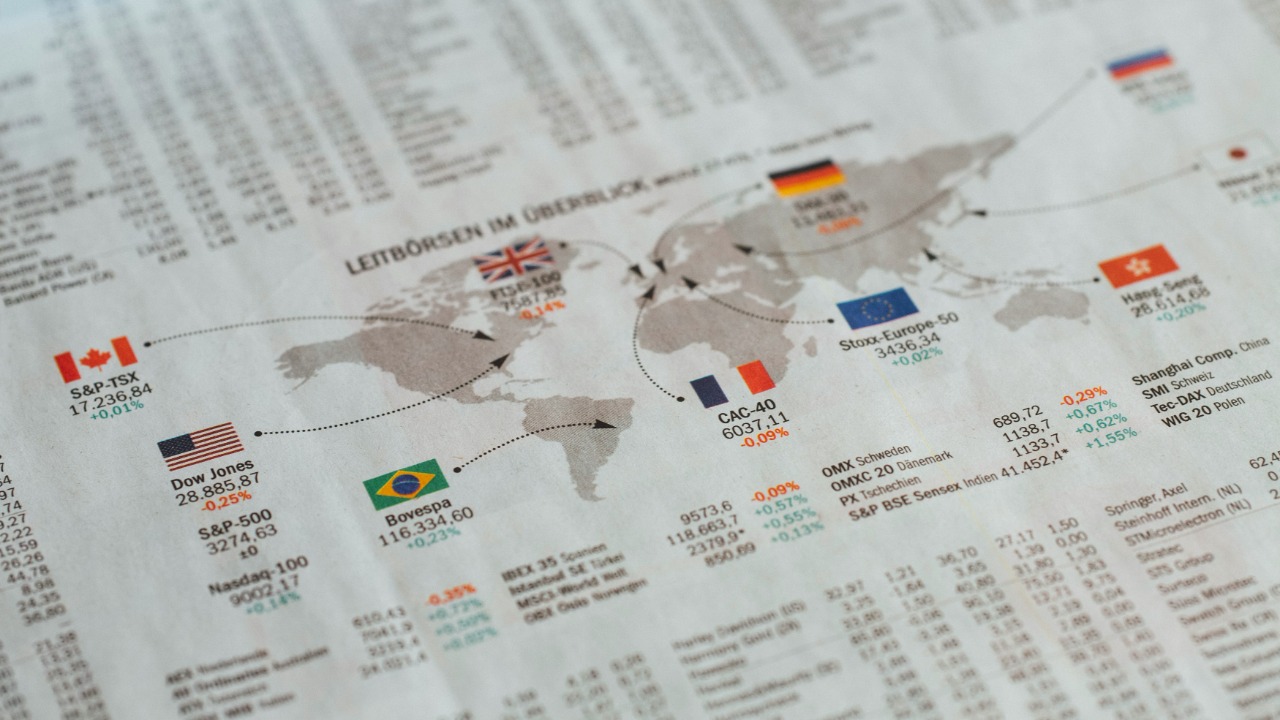
High earners often face a significant tax burden, which can disproportionately affect their take-home pay. Despite earning substantial incomes, the combination of federal, state, and local taxes can significantly reduce the amount of money they have available for spending and saving. This tax burden can contribute to the feeling of being financially constrained, as high earners struggle to balance their obligations with their income.
Tax policies are often designed to be progressive, which means that high earners pay a larger percentage of their income in taxes. While these policies aim to address income inequality, they can also create financial challenges for those who are already struggling with high expenses.
Economic Policy Impacts
Broader economic policies and changes can also create financial instability for high-income individuals. Policies that affect interest rates, inflation, and market conditions can have a significant impact on financial security, making it difficult for high earners to feel financially stable.
Economic fluctuations, such as recessions and changes in employment opportunities, can further exacerbate financial pressures. For high earners, these changes can lead to uncertainty and concern about the future, contributing to the feeling of being financially strained despite substantial incomes.

Cole Whitaker focuses on the fundamentals of money management, helping readers make smarter decisions around income, spending, saving, and long-term financial stability. His writing emphasizes clarity, discipline, and practical systems that work in real life. At The Daily Overview, Cole breaks down personal finance topics into straightforward guidance readers can apply immediately.

