
In the financial realm, the idea of owning your home outright is alluring, but paying off your mortgage early might not always be the best move. While eliminating debt can provide peace of mind, there are several compelling reasons to consider keeping a mortgage longer. Maintaining a mortgage might be more beneficial than paying it off early for various strategic reasons.
Opportunity Cost of Capital

Choosing to pay off your mortgage early means tying up capital that could be used for investment opportunities with potentially higher returns. The stock market, for instance, has historically provided returns that outpace the interest saved by paying down a low-interest mortgage. By investing instead of paying off your mortgage, you might benefit from compound interest, significantly enhancing your financial position over time.
Liquidity concerns also come into play when you consider paying off your mortgage early. Home equity represents a large sum of money that is not easily accessible without refinancing or selling your home. In the event of an emergency or financial downturn, having liquid assets available can be crucial. Maintaining a balance between your mortgage and investments allows for greater financial flexibility.
Diversification is another factor to consider. By keeping your mortgage, you can invest in a diverse portfolio, reducing the risk associated with having a substantial amount of wealth tied up in real estate. This diversified approach can provide stability and potentially higher returns in the long term.
Tax Benefits
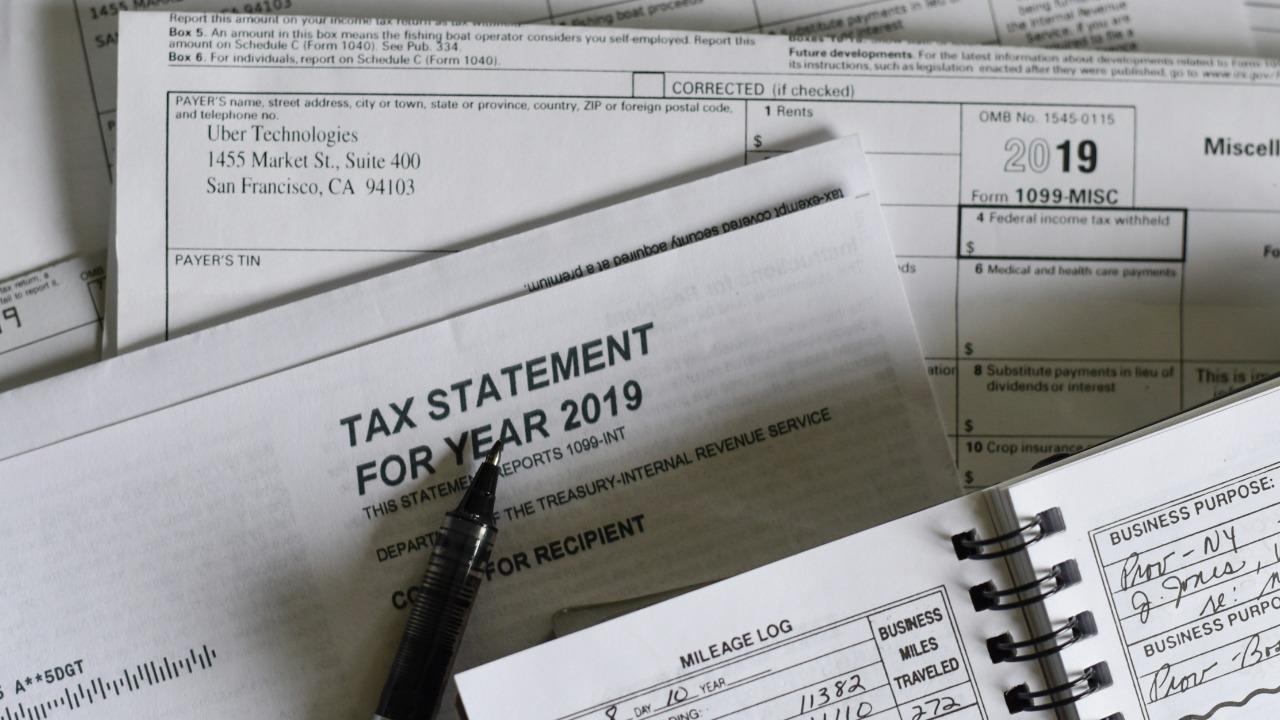
One of the significant advantages of maintaining a mortgage is the mortgage interest deduction on your taxes. This deduction can be a substantial benefit, especially for those in higher tax brackets. By keeping your mortgage, you can leverage these deductions to reduce your taxable income, enhancing your overall financial strategy.
Engaging in strategic tax planning can further amplify the benefits of keeping a mortgage. For high-income earners, the ability to deduct mortgage interest can play a crucial role in minimizing their overall tax liability. By incorporating mortgage interest deductions into a broader tax strategy, individuals can optimize their financial outcomes.
Inflation and Debt Management

Inflation can work in favor of those who maintain a mortgage. Over time, inflation decreases the real value of fixed-rate mortgage debt, effectively making it cheaper to repay with today’s dollars. This inflation advantage means the real cost of the mortgage diminishes over time, allowing your income and investments to grow while the debt remains constant.
Moreover, with low fixed interest rates, the cost of borrowing is minimal compared to potential returns on investments that outpace inflation. By taking advantage of these low rates, homeowners can allocate their resources towards investments that provide higher returns, rather than focusing solely on paying off a mortgage early.
Retirement Planning Considerations

When planning for retirement, cash flow becomes a critical consideration. Maintaining a mortgage can preserve cash flow, allowing retirees to use their savings for living expenses and enjoy a more comfortable retirement. By keeping a mortgage, retirees can allocate their resources towards more liquid investments that can be easily accessed when needed.
Moreover, retaining a mortgage can be part of a broader asset allocation strategy. Ensuring that not all wealth is tied up in illiquid assets like real estate can provide greater financial security during retirement. This approach allows for more flexibility in managing resources and responding to changing financial needs.
Psychological and Financial Flexibility

Keeping a mortgage provides financial flexibility to adapt to changing circumstances or opportunities. With cash reserves or investments, individuals can respond to unexpected expenses or capitalize on favorable investment opportunities without the need to liquidate substantial assets or take on additional debt.
For some, the psychological comfort of having cash reserves or investments outweighs the peace of mind from owning a home outright. This comfort can provide a sense of security and control over one’s financial future, enabling individuals to make informed decisions that align with their long-term goals.
Ultimately, the decision to maintain or pay off a mortgage early is a personal one, influenced by various financial and psychological factors. By weighing the opportunity cost of capital, tax benefits, inflation advantages, retirement planning considerations, and psychological comfort, individuals can make choices that best align with their unique circumstances and financial objectives.

Elias Broderick specializes in residential and commercial real estate, with a focus on market cycles, property fundamentals, and investment strategy. His writing translates complex housing and development trends into clear insights for both new and experienced investors. At The Daily Overview, Elias explores how real estate fits into long-term wealth planning.

