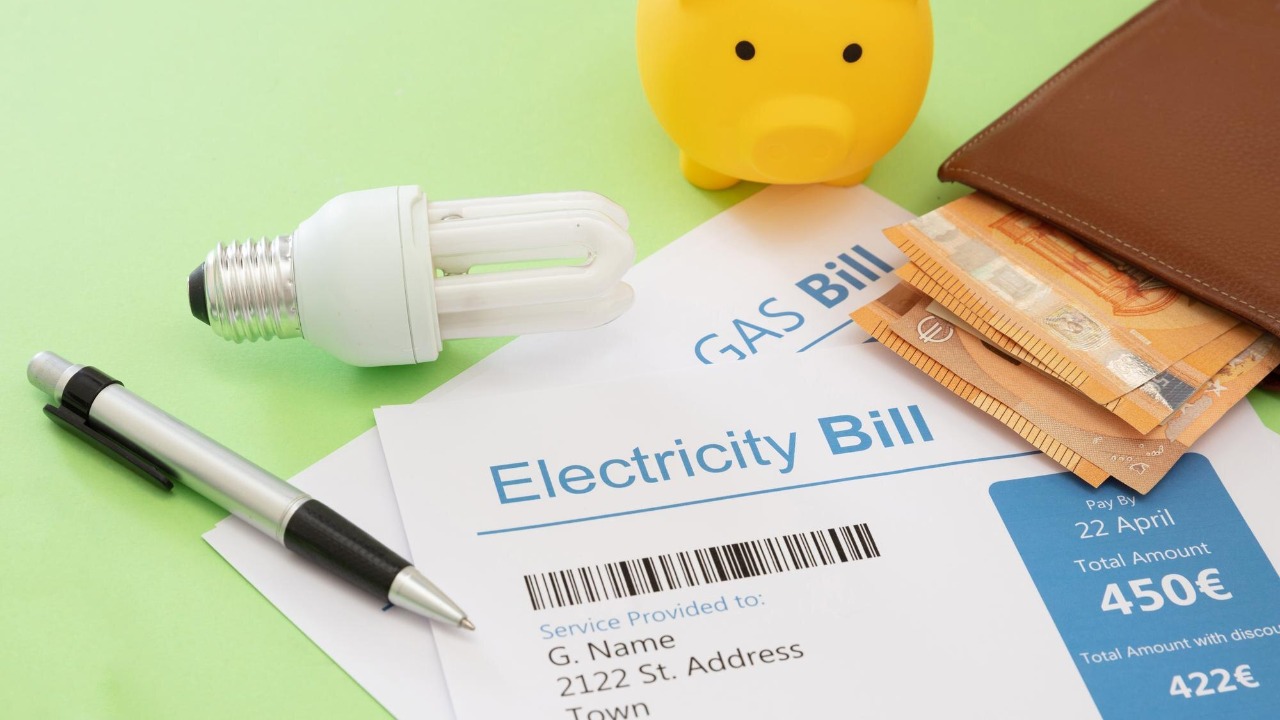
Electricity bills have surged across the United States in the first quarter of 2025, with residential rates climbing sharply. This increase is largely attributed to the growing energy demands from massive infrastructure builds, particularly the proliferation of data centers and AI operations. These tech expansions consume vast amounts of power, far outpacing traditional grid capacity. While some misconceptions persist about clean energy driving up costs, analyses point to tech expansion and policy shifts under figures like President Trump as the real culprits behind the regional hikes seen in places like Chicago.
The Surge in AI-Driven Energy Demand
Artificial intelligence is at the forefront of the rising electricity bills, with its training and operations in hyperscale facilities projected to double U.S. electricity usage by 2030. This surge in demand has been linked to immediate bill increases for households. AI companies, particularly those developing large language models, require gigawatts of power, with data center electricity needs now rivaling the consumption of entire cities. This unprecedented demand places a significant strain on the existing grid infrastructure, leading to higher costs for consumers.
Geographically, the concentration of these facilities in states like Virginia and Texas has exacerbated local grid strains. These states have seen rate hikes passed on to consumers as utility companies struggle to meet the increased demand. The energy-intensive nature of AI operations, combined with the need for constant cooling and computing power, has made these facilities some of the most power-hungry operations in the country. This trend is expected to continue as AI technology advances and becomes more integrated into various sectors.
Data Centers as Power-Hungry Behemoths
The rapid expansion of data centers is another significant factor contributing to the rise in electricity bills. In 2024 alone, over 5,000 new facilities were announced globally, fueling a 15% year-over-year rise in U.S. commercial electricity demand. These centers are among the most energy-intensive operations due to their cooling and computing requirements, accounting for up to 4% of national power use and growing. This increase in demand has placed additional pressure on utility companies, particularly in regions like the Midwest.
Utility companies serving areas such as Chicago have faced blackouts and emergency builds to accommodate the needs of tech giants. The strain on the grid has led to increased operational costs, which are ultimately passed on to consumers in the form of higher electricity bills. As data centers continue to expand, the pressure on the grid and the associated costs are expected to rise, further impacting residential electricity rates.
Policy and Regulatory Factors Amplifying Costs
Deregulated energy markets and federal incentives for tech infrastructure have indirectly raised residential rates. These policies, influenced by 2025 discussions tied to political figures like President Trump, have prioritized corporate growth over stable pricing for everyday users. State-level decisions, such as expedited permitting for data centers in energy-rich regions, have further contributed to this trend. These policies have allowed for rapid expansion of tech infrastructure, often at the expense of consumer electricity costs.
Additionally, international supply chain pressures on hardware for AI have contributed to higher transmission costs embedded in bills. The increased demand for specialized hardware has driven up costs, which are then passed on to consumers. These factors, combined with the growing energy demands of AI and data centers, have created a perfect storm for rising electricity bills across the country.
Debunking Myths: Clean Energy Isn’t the Villain
Despite some claims, renewable sources like solar and wind have actually helped moderate long-term rates. These sources have provided a more stable and sustainable energy supply, countering claims in early 2025 debates that pinned blame on green transitions. Data shows that fossil fuel dependencies and grid upgrades for AI loads are the primary drivers of the Q1 2025 spikes, not the expansion of clean tech.
Consumers can benefit from understanding the true causes of their rising electricity bills. By distinguishing between tech-induced surges and other factors, consumers can make informed decisions about their energy usage. Utility rate structures often reflect the costs associated with maintaining and upgrading the grid to accommodate new technologies, rather than the costs of renewable energy sources. As such, consumers should focus on these tech-driven factors when considering the reasons behind their increased electricity bills.
In conclusion, the surge in electricity bills across the U.S. is primarily driven by the rapid expansion of AI and data centers, compounded by policy and regulatory factors. While clean energy has played a role in moderating long-term rates, the immediate increases are largely due to the growing energy demands of tech infrastructure. As these trends continue, consumers can expect further impacts on their electricity bills, highlighting the need for strategic energy planning and policy adjustments.

Cole Whitaker focuses on the fundamentals of money management, helping readers make smarter decisions around income, spending, saving, and long-term financial stability. His writing emphasizes clarity, discipline, and practical systems that work in real life. At The Daily Overview, Cole breaks down personal finance topics into straightforward guidance readers can apply immediately.
