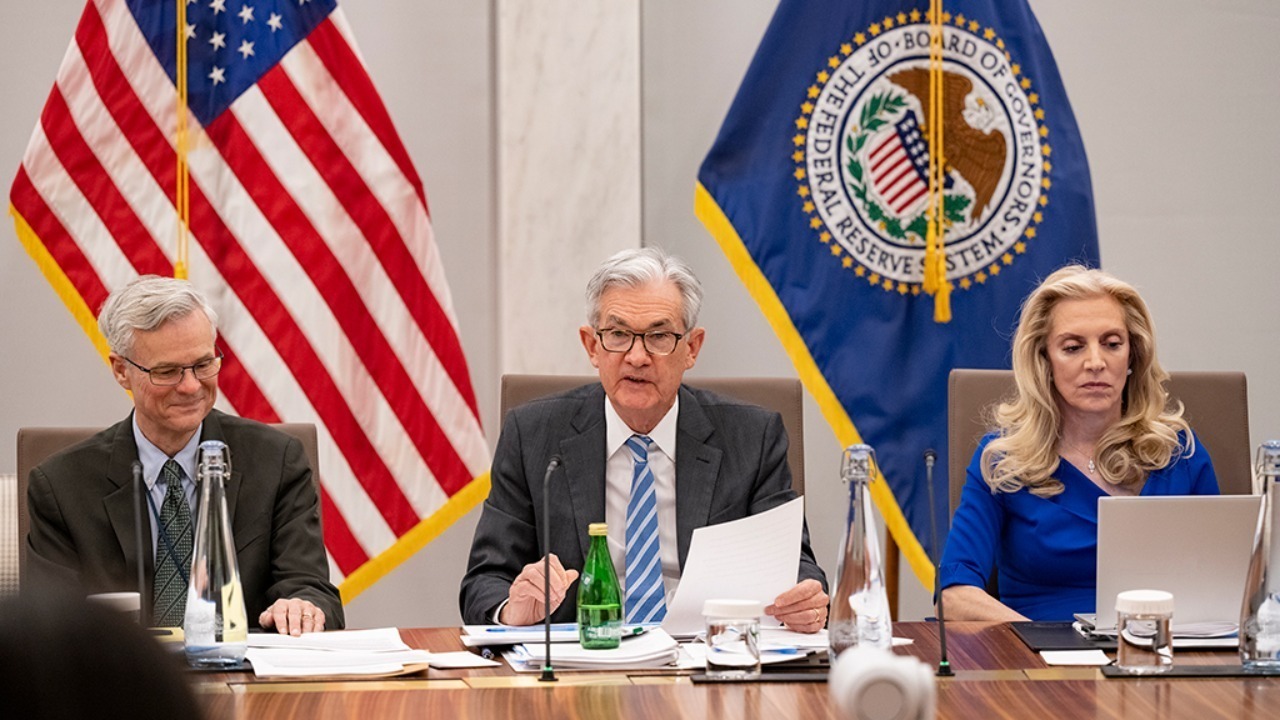
The Federal Reserve held its benchmark interest rate steady at 3.50%-3.75% after the January 27-28 meeting, but the minutes released today reveal a shift in tone that should concern anyone with money in the market. Some officials openly discussed the possibility of raising rates again, putting hikes “back on the table” just as investors had grown comfortable expecting the next move to be downward. With two FOMC meetings still scheduled before May, the window for a surprise increase is narrower than most portfolios are prepared for, particularly if inflation data continue to come in hotter than policymakers would like.
This change in tone follows nearly a year of cautious optimism that inflation was gliding toward target without the need for additional tightening. Markets had largely priced in a benign path of steady or lower rates, helping fuel a rally in growth stocks and compressing credit spreads. The latest minutes, however, underscore that the Fed’s confidence is wavering. Officials are debating whether current financial conditions are too loose relative to the inflation outlook, and that debate alone is enough to reintroduce two-way risk for interest rates, equity valuations, and the broader cost of capital.
Sticky Inflation Is Keeping the Fed on Edge
The central tension behind the rate-hike discussion is straightforward: inflation is not falling fast enough. The PCE price data from the Bureau of Economic Analysis showed year-over-year inflation of 2.8% for November 2025, well above the Fed’s 2% target and uncomfortably sticky in services categories. Meanwhile, the Bureau of Labor Statistics reported that the Consumer Price Index for January 2026 showed core CPI rising 0.3% month over month and 2.5% year over year, with headline CPI-U up 0.2% on the month. None of these readings suggest the kind of decisive, broad-based disinflation that would give the Fed room to relax without risking a reacceleration later in the year.
The January 28 FOMC statement itself noted that “economic activity has been expanding at a solid pace,” language that frames persistent growth as a reason inflation could remain stubborn rather than quickly converging to target. Reuters analysis of the same meeting characterized the Fed’s posture as leaning hawkish, noting that the committee acknowledges inflation remains above target and may be leveling off rather than trending steadily lower. The omission of any reference to “progress” on inflation was described as carrying “a bit of a hawkish undertone.” That phrasing matters because it signals the committee is no longer confident that simply holding rates steady will be enough to finish the job, especially if wage growth and demand in interest-sensitive sectors stay firm.
Two Meetings Left Before May, and the Data Calendar Is Tight
The next PCE inflation report lands on February 20, 2026, just weeks before the March FOMC gathering on the 17th and 18th. If core services inflation accelerates in that report, the committee will face its first real decision point on whether to move from talk to action. A second opportunity comes at the late April meeting, scheduled for the 28th and 29th, which falls just before May begins and will be closely watched for any change in the policy rate or in forward guidance. The March meeting minutes, due out in early April, will also give markets an early read on how seriously officials weighed a hike at that session and whether there is an emerging bloc pushing for a preemptive move.
The January implementation note confirmed that the directive maintains the federal funds rate in its current target range of 3.50%-3.75%. But the operational plumbing matters for portfolios: interest on reserve balances, standing repo operations, and the overnight reverse repo facility all anchor short-term borrowing costs. Even a single 25-basis-point hike would ripple through money-market yields and push front-end rates higher, compressing bond prices and pressuring valuations in rate-sensitive sectors like technology, real estate, and small-cap growth. Duration-heavy bond funds would feel the sharpest sting because their prices move inversely to yields, while leveraged strategies that borrowed cheaply in short-term markets could see funding costs jump just as asset prices adjust.
What a Surprise Hike Would Mean for Investors
For now, the baseline remains that rates are on hold, but the latest communication from policymakers makes that stance more conditional than markets had assumed. In a fresh signal released after the most recent policy review, the Fed’s February policy announcement again kept the target range unchanged but emphasized that inflation is still above 2% and that risks are now seen as more balanced between growth and price stability. That balance-of-risks language is important: it gives the committee flexibility to move in either direction, and it reminds investors that a renewed inflation surprise could justify another tightening step even after a long pause. With only the March and April meetings before May, the calendar gives the Fed two clear windows in which to act if incoming data force its hand.
Against that backdrop, investors should treat the remaining pre-May meetings as live events rather than routine check-ins. The schedule for the late-April policy gathering underscores how little time there is between key data releases and decision dates, raising the odds that a single hot inflation print or an unexpectedly strong labor report could swing the debate. Portfolios that have extended duration, concentrated in high-valuation growth names, or leaned heavily on cheap short-term funding are most exposed if the Fed decides to deliver a “surprise” 25-basis-point hike. Prudent positioning now means stress-testing holdings against higher front-end yields, considering some tilt toward shorter-duration fixed income, and recognizing that the era of one-way bets on lower rates has, at least for the moment, come to an end.
More From The Daily Overview
*This article was researched with the help of AI, with human editors creating the final content.

Grant Mercer covers market dynamics, business trends, and the economic forces driving growth across industries. His analysis connects macro movements with real-world implications for investors, entrepreneurs, and professionals. Through his work at The Daily Overview, Grant helps readers understand how markets function and where opportunities may emerge.

