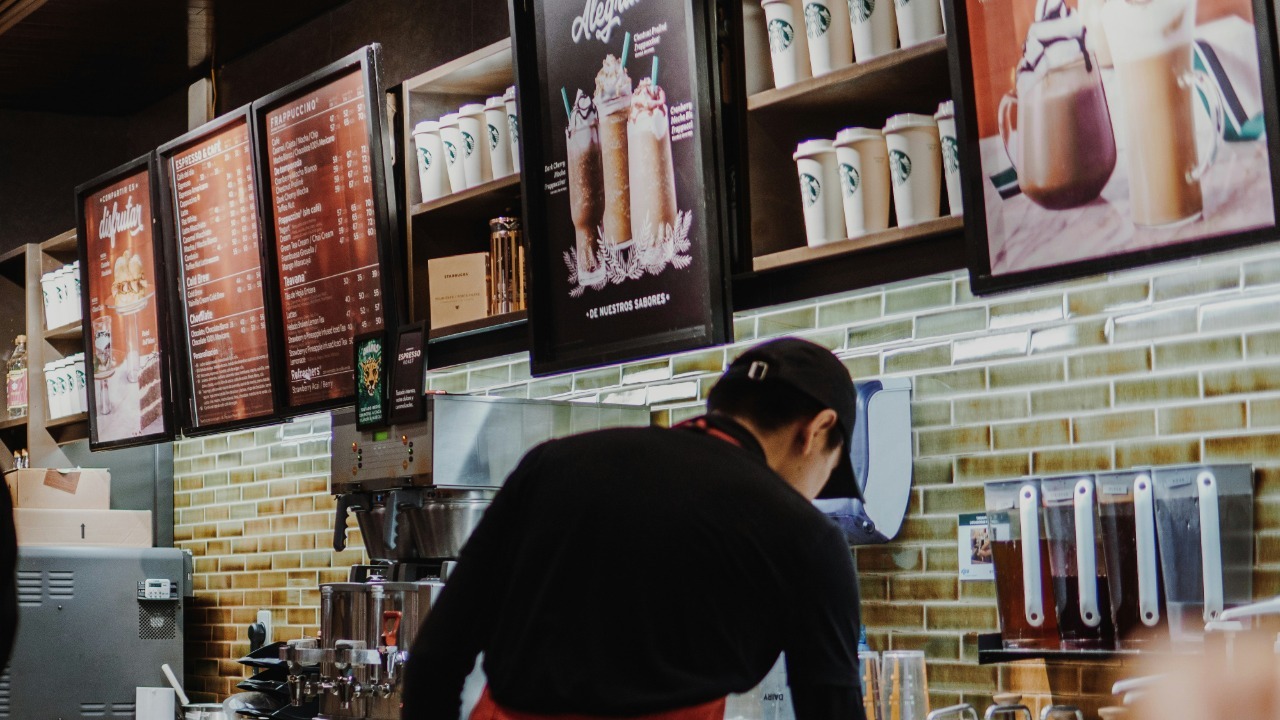
Starbucks baristas across the United States have recently undergone training aimed at fostering warmer interactions with customers. This new program, as detailed in a Wall Street Journal report, is designed to enhance personal engagement, thereby driving higher sales. The initiative shifts the focus from merely efficient order-taking to building genuine rapport with customers.
The Evolution of Barista Training at Starbucks
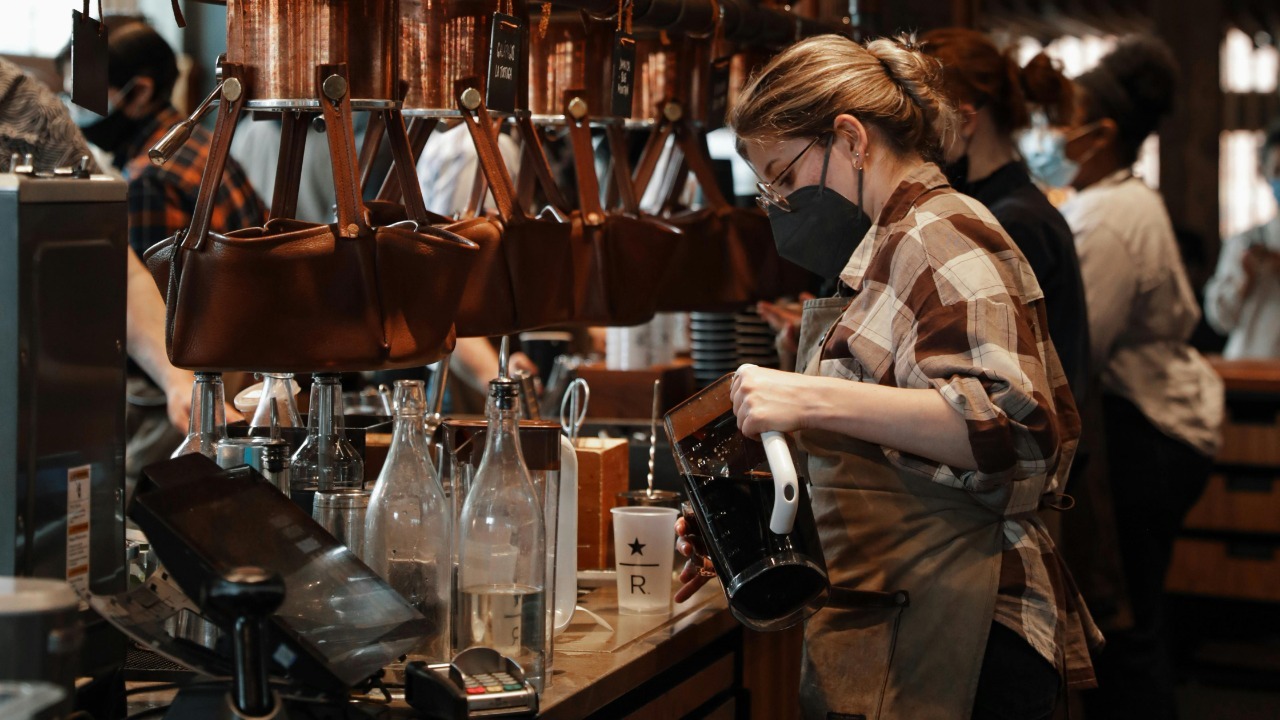
Starbucks has shifted its barista training from a traditional focus on efficiency to a new emphasis on building customer rapport. This change includes specific modules on conversation starters and active listening, which have been introduced in recent training sessions. The program, which began implementation in early 2025, aims to create a more inviting atmosphere in Starbucks stores nationwide. By focusing on these interpersonal skills, Starbucks hopes to enhance the overall customer experience and foster a deeper connection between baristas and patrons.
The rollout of this training program started in early 2025 across company-owned stores, marking a significant shift in how Starbucks views customer service. The training includes role-playing scenarios where baristas practice engaging with customers through genuine compliments and upselling techniques. These scenarios are designed to encourage baristas to interact more personally with customers, potentially leading to increased sales of add-on items like pastries and merchandise.
Starbucks’ decision to revamp its barista training program reflects a broader trend in the service industry, where companies are increasingly recognizing the value of emotional intelligence and interpersonal skills. This shift is not only about improving customer satisfaction but also about empowering employees to feel more connected to their work. By equipping baristas with the tools to engage more deeply with customers, Starbucks is investing in a workforce that is both skilled and emotionally intelligent, which can lead to higher job satisfaction and lower turnover rates.
Moreover, the training program is part of a larger initiative to align Starbucks’ in-store experience with its brand values of community and connection. This alignment is crucial as the company seeks to differentiate itself in a competitive market where consumers have numerous options. By fostering a sense of community within its stores, Starbucks aims to create a unique environment that encourages repeat visits and builds long-term customer loyalty. This approach not only benefits the company financially but also strengthens its brand identity as a welcoming and inclusive space.
Customer Reactions to Friendlier Service
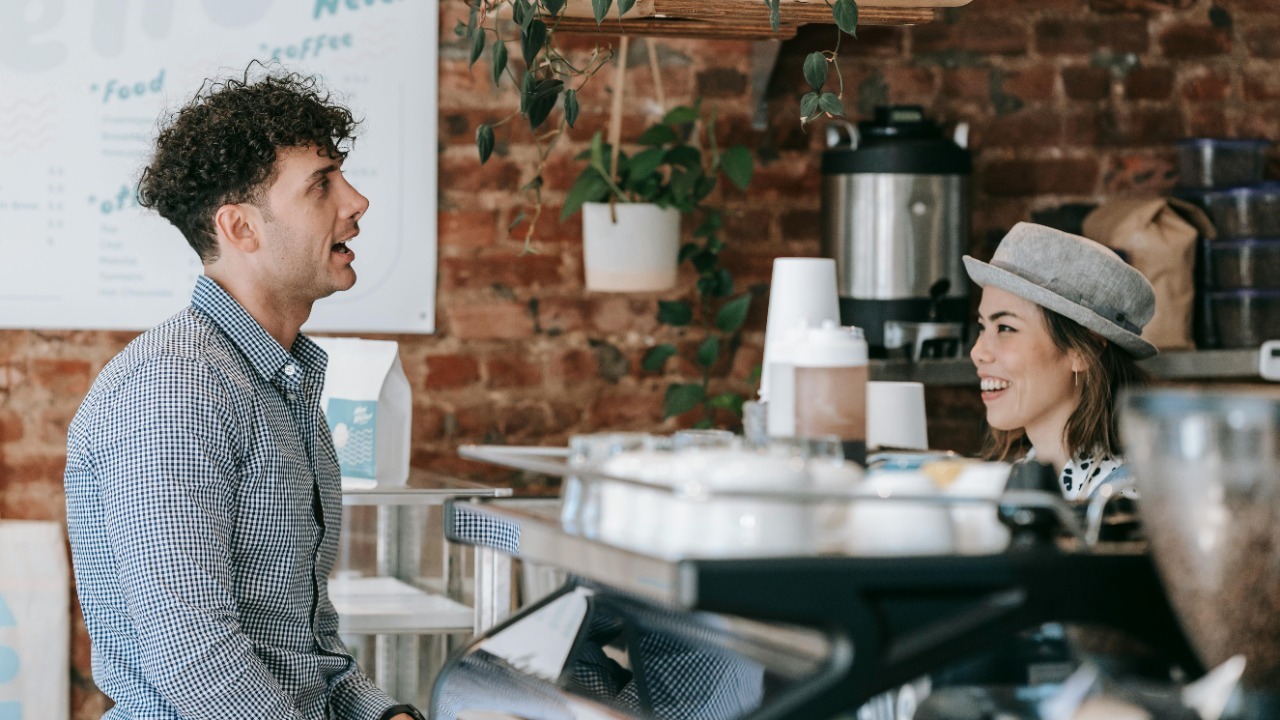
Customers have begun to notice the changes in their local Starbucks, with many reporting more personalized greetings and recommendations. In urban locations such as New York and Seattle, patrons have expressed increased satisfaction with the friendlier service. These interactions often lead to a more enjoyable experience, as customers feel more valued and appreciated by the staff.
However, the shift towards more personalized service has not been without its challenges. Some customers have noted longer wait times due to extended interactions between baristas and patrons. Despite this, many customers appreciate the effort to make them feel valued, which often outweighs the inconvenience of a slightly longer wait. The balance between efficiency and personal engagement remains a key focus for Starbucks as they continue to refine their approach.
In addition to the positive feedback from urban customers, Starbucks has observed varying reactions in suburban and rural areas. In these regions, where community ties are often stronger, the enhanced personal engagement has been particularly well-received. Customers in these areas appreciate the effort to create a more community-oriented atmosphere, which aligns with their expectations of local businesses. This response underscores the importance of tailoring customer service strategies to different demographic and geographic contexts, ensuring that the company’s approach resonates with a diverse customer base.
However, the implementation of this new service model has also highlighted the need for Starbucks to manage customer expectations effectively. While many patrons enjoy the increased interaction, there is a segment of customers who prefer a quicker, more transactional experience. Starbucks is exploring ways to accommodate these preferences, potentially through the use of technology such as mobile ordering and express lanes, which can offer a faster service option without compromising the overall customer experience.
Business Strategy Driving the Change
The push for friendlier service is part of Starbucks’ broader strategy to reverse recent sales declines. By enhancing customer interactions, the company aims to achieve a 5-10% uplift in add-on purchases such as pastries and merchandise. Starbucks executives view baristas as “ambassadors” for brand loyalty, emphasizing the importance of personal connections in driving sales and customer retention.
In contrast to competitors like Dunkin’, which prioritize speed over sociability, Starbucks is betting on the power of personal engagement to differentiate itself in the crowded coffee market. This strategic shift highlights the company’s commitment to creating a unique customer experience that goes beyond just serving coffee. By investing in their baristas’ ability to connect with customers, Starbucks hopes to build a loyal customer base that values the personal touch.
Starbucks’ strategic pivot towards enhancing customer interactions is also a response to changing consumer behaviors and preferences. In recent years, there has been a noticeable shift towards valuing experiences over products, with consumers increasingly seeking meaningful interactions in their daily transactions. By focusing on personal engagement, Starbucks is tapping into this trend, positioning itself as not just a coffee provider but a purveyor of memorable experiences. This strategy is designed to attract a younger demographic that prioritizes authenticity and connection in their brand interactions.
Furthermore, this initiative is part of Starbucks’ efforts to leverage its physical stores as a competitive advantage in an era where online and mobile ordering are on the rise. By creating a distinctive in-store experience that cannot be replicated digitally, Starbucks aims to draw customers into its locations, thereby increasing foot traffic and in-store purchases. This approach also supports the company’s sustainability goals by encouraging customers to enjoy their beverages on-site, reducing the environmental impact associated with takeaway packaging.
Future Implications for Starbucks and Customers
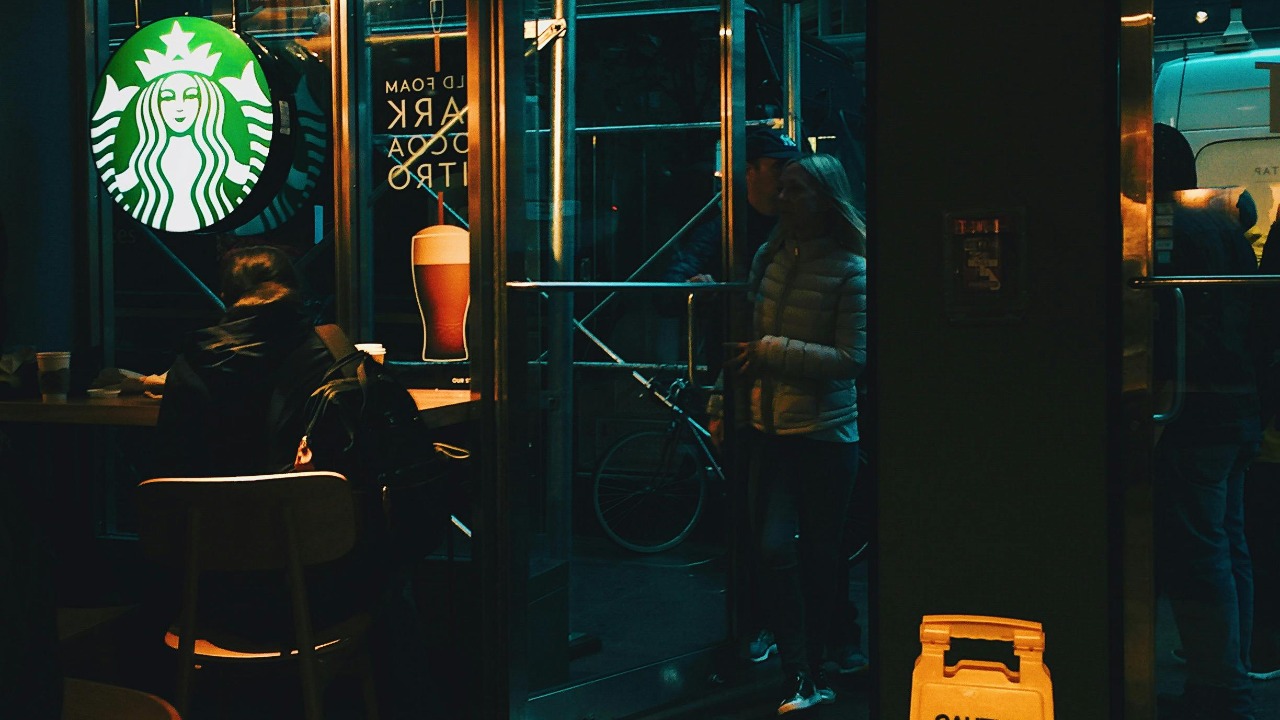
Looking ahead, Starbucks plans to expand this training program to licensed stores by late 2025. This expansion aims to ensure a consistent customer experience across all Starbucks locations, further solidifying the brand’s reputation for friendly service. As the program continues to evolve, Starbucks will likely gather feedback from baristas to refine the training and address any challenges related to balancing friendliness with workload demands.
Baristas have generally responded positively to the new training, appreciating the focus on personal engagement. However, they also acknowledge the challenges of maintaining this level of interaction during busy periods. As Starbucks continues to refine its approach, the company will need to consider these perspectives to ensure that the training remains effective and sustainable for its employees.

Grant Mercer covers market dynamics, business trends, and the economic forces driving growth across industries. His analysis connects macro movements with real-world implications for investors, entrepreneurs, and professionals. Through his work at The Daily Overview, Grant helps readers understand how markets function and where opportunities may emerge.

