As the United States braces for a potential government shutdown in 2025, investors are increasingly concerned about the direct effects on their portfolios. Reports from ABC News and CNBC highlight the ongoing fiscal debates in Washington, D.C., and the specific risks to investments. Despite these concerns, CBS News notes that investors appear largely unfazed, pointing to historical stock resilience during prior closures. Recent analyses from JPMorgan and Fidelity emphasize evolving market highs despite the uncertainty.
Historical Market Reactions to Government Shutdowns
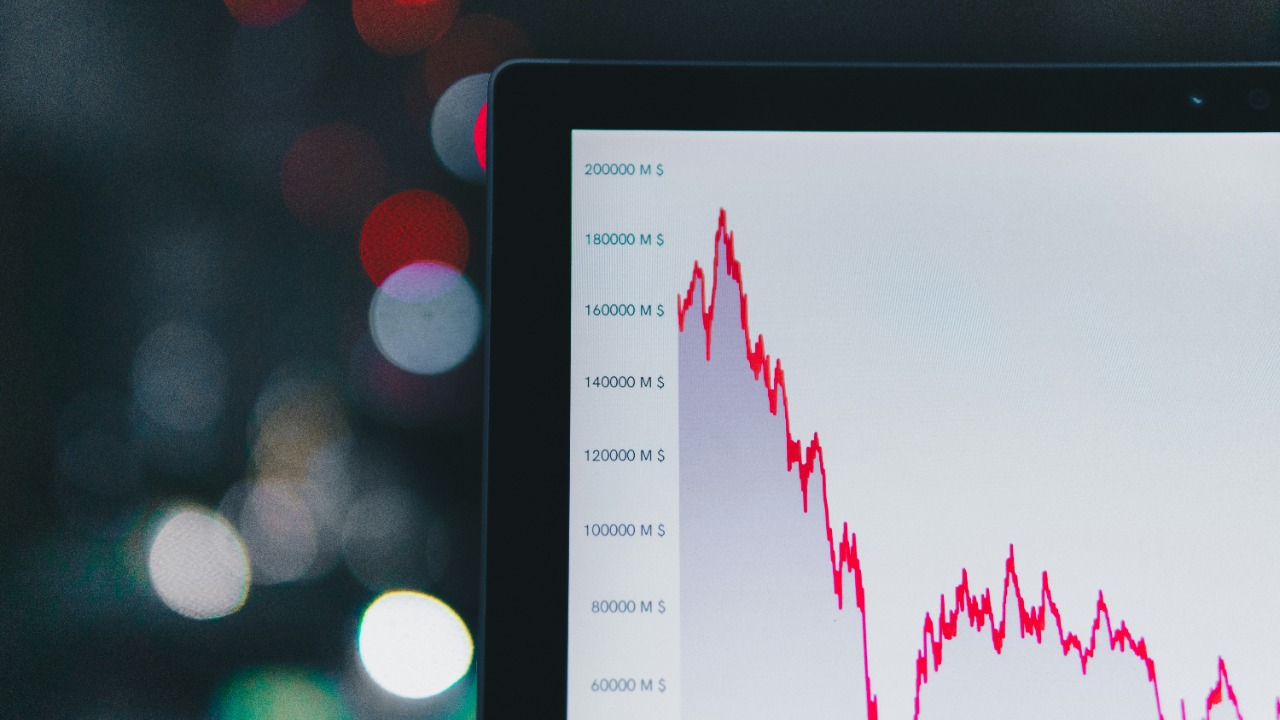
Examining stock market performance during previous U.S. government shutdowns reveals limited long-term impacts and quick recoveries. According to CBS News, historical precedents show that investors in 2025 remain unfazed, as markets have typically rebounded swiftly after past closures. This resilience is attributed to the market’s ability to anticipate and adjust to temporary disruptions.
Fidelity’s overview of past shutdown effects on trading and investments supports this view, noting that routine market operations continued without major disruptions during prior events. Their analysis suggests that while short-term volatility may occur, the overall market structure remains robust, allowing for continued trading and investment activities. Fidelity emphasizes that investors should focus on long-term strategies rather than short-term fluctuations.
JPMorgan’s analysis further explores the phenomenon of shutdowns coinciding with market highs, addressing top investor questions on historical volatility patterns. Their insights indicate that while shutdowns can introduce temporary uncertainty, they often occur during periods of economic strength, mitigating potential negative impacts. This perspective is crucial for investors seeking to understand the broader market context during government closures.
Moreover, the data from past shutdowns indicate that while there might be immediate reactions in the stock market, these are often short-lived. For instance, during the 2013 shutdown, the S&P 500 experienced a minor dip but quickly rebounded once the shutdown ended. This pattern suggests that while the initial response to a shutdown can be negative, the market’s inherent resilience and the underlying economic fundamentals often lead to a recovery. Investors are advised to remain calm and avoid making hasty decisions based on short-term market movements, as historical trends have shown that the market tends to stabilize over time.
Current 2025 Shutdown Risks for Stock Investments

The potential for short-term market dips tied to the 2025 shutdown uncertainty is a concern for many investors. ABC News explores broader investment vulnerabilities, highlighting sectors that may be particularly affected. These include industries reliant on federal funding, where delayed spending could impact stock performance.
Insights from a chief market strategist featured on CNBC suggest that sectors like defense and travel stocks could face pressure due to delayed federal spending. The strategist emphasizes the importance of monitoring these sectors closely, as they may experience heightened volatility during the shutdown period.
Additionally, Earny inquires into personalized investment hits, such as reduced consumer spending affecting retail and tech holdings. This perspective highlights the interconnectedness of various economic factors and their potential impact on individual investment portfolios during a government shutdown.
Additionally, the potential impact on consumer confidence during a prolonged shutdown could indirectly affect market performance. As government employees face furloughs and contractors experience payment delays, consumer spending may decrease, leading to a ripple effect across various sectors. This scenario could particularly affect retail and consumer goods companies, which rely heavily on consumer spending. Investors should be mindful of these potential impacts and consider adjusting their portfolios to minimize exposure to sectors that might be disproportionately affected by reduced consumer confidence.
Effects on Retirement Accounts and 401(k)s

The implications of a government shutdown for 401(k) values are a significant concern for many investors. CNN reports on potential delays in economic data that could sway retirement fund allocations. These delays may lead to uncertainty in the valuation of retirement accounts, affecting investor confidence.
Fidelity provides guidance on maintaining 401(k) contributions during shutdowns, noting that employer matches and market access typically persist unaffected. Their advice underscores the importance of continuing regular contributions to retirement accounts, even amid economic uncertainty, to ensure long-term financial stability. Fidelity emphasizes that maintaining a consistent investment strategy is crucial for retirement planning.
Furthermore, CNBC’s strategist insights highlight broader 401(k) exposure to federal-dependent industries, where indirect economic slowdowns could impact retirement growth. This analysis suggests that investors should be aware of the potential ripple effects of a government shutdown on their retirement portfolios and consider diversifying their investments to mitigate risks.
Furthermore, the uncertainty surrounding government operations can lead to fluctuations in bond markets, which are a critical component of many retirement portfolios. As investors seek safe havens during uncertain times, bond yields may be affected, impacting the returns on fixed-income investments within 401(k) plans. It is crucial for investors to monitor these developments and consult with financial advisors to ensure their retirement strategies remain aligned with their long-term goals. Maintaining a diversified portfolio that balances risk and return is essential to navigating the potential challenges posed by a government shutdown.
Personal Finance and Broader Investment Strategies

The effects of a government shutdown on personal investments extend beyond stocks. Yahoo Finance covers potential impacts, including uninterrupted Social Security payments but possible student loan processing delays. These factors can influence debt-funded portfolios, highlighting the need for investors to stay informed about changes in federal services.
JPMorgan’s insights focus on diversification strategies to mitigate shutdown-related economic ripples beyond stocks. Their analysis suggests that investors should consider a broad range of asset classes to reduce exposure to sectors directly affected by federal spending cuts. This approach can help maintain portfolio stability during periods of economic uncertainty.
Earny’s perspective on everyday investment adjustments emphasizes monitoring cash flows amid possible federal payment interruptions for contract workers. This advice is particularly relevant for individuals whose income may be directly affected by a government shutdown, underscoring the importance of proactive financial planning in uncertain times.
Moreover, the potential for disruptions in federal services, such as delays in tax refunds or changes in government-backed loan processes, can have significant implications for personal financial planning. Investors should be prepared for possible delays in accessing funds or services that rely on federal operations. This preparation might include maintaining a larger cash reserve to cover any short-term financial needs that could arise during a shutdown. Additionally, staying informed about government announcements and policy changes can help investors make timely adjustments to their financial strategies, ensuring they remain resilient in the face of economic uncertainties.

Grant Mercer covers market dynamics, business trends, and the economic forces driving growth across industries. His analysis connects macro movements with real-world implications for investors, entrepreneurs, and professionals. Through his work at The Daily Overview, Grant helps readers understand how markets function and where opportunities may emerge.

