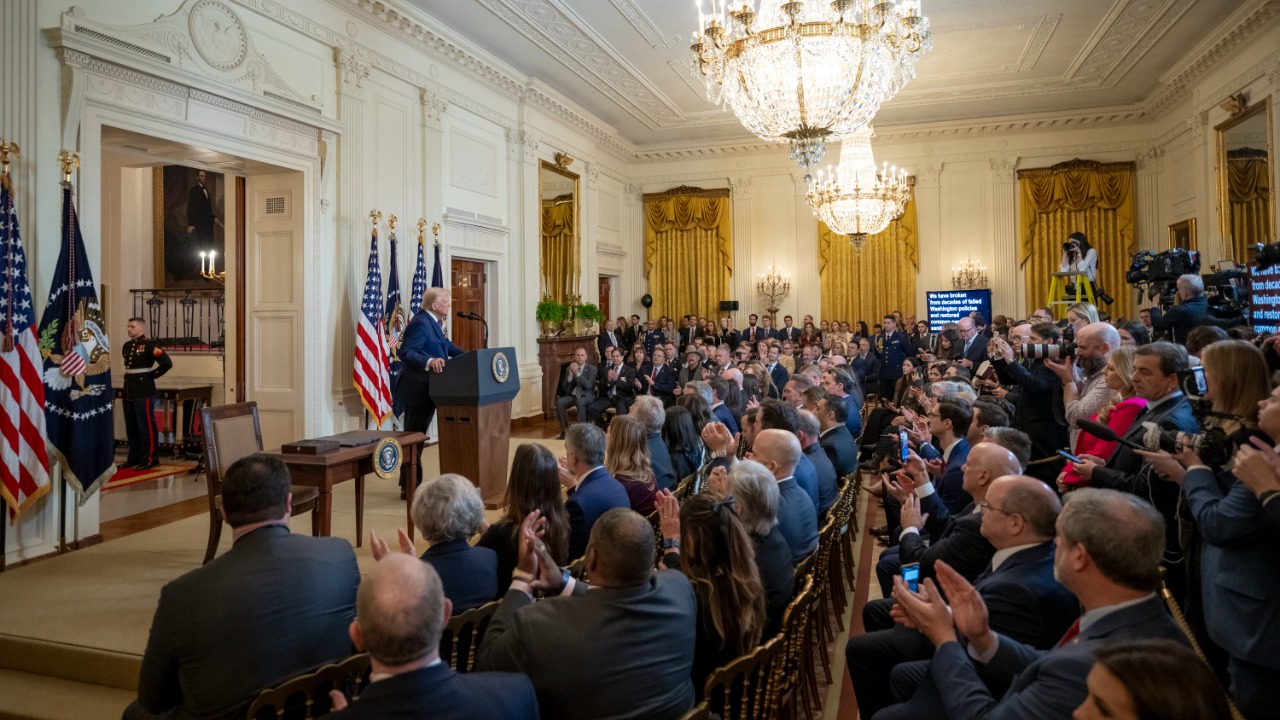
The prospect of a U.S. government shutdown has raised concerns about potential impacts on investments, as highlighted in recent articles. As of late September 2025, several financial experts have weighed in on how a shutdown might affect markets and individual portfolios. The shutdown could have significant economic implications, which would indirectly influence investor confidence and market behavior. This article explores the potential effects on investments and strategies to navigate this uncertainty.
Market Volatility Concerns
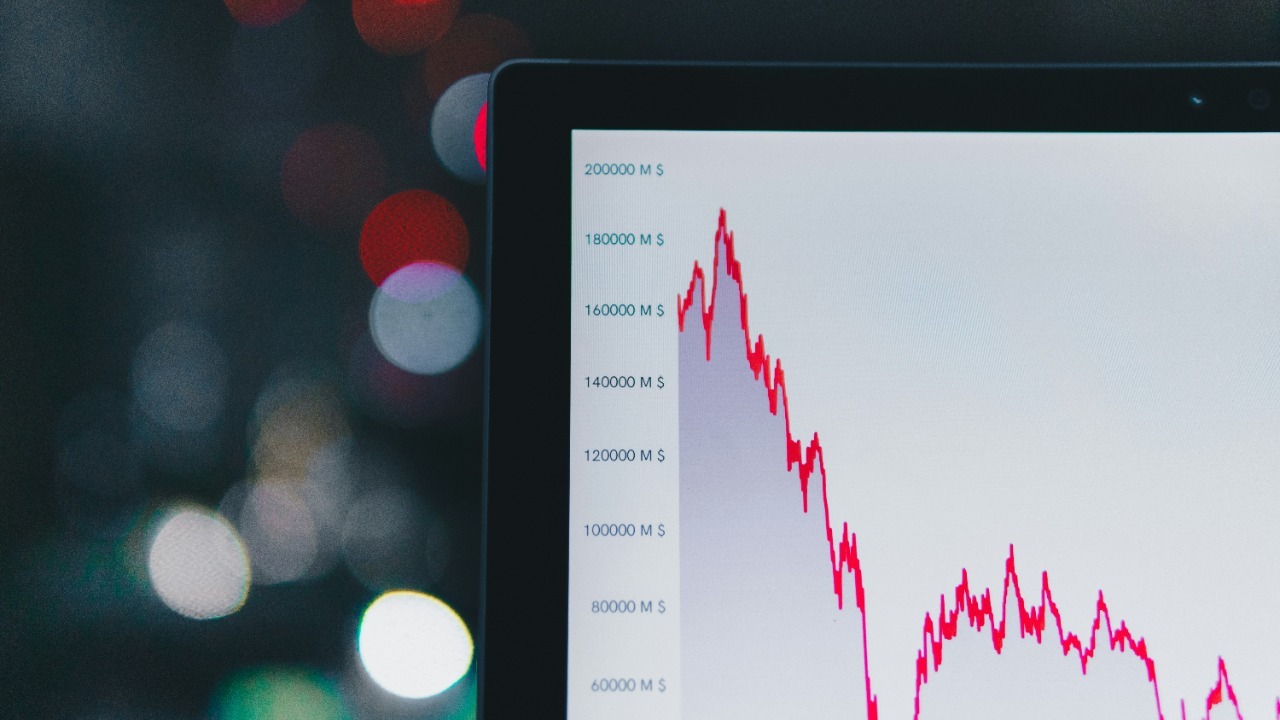
Financial markets often react to uncertainties such as government shutdowns, which can result in increased volatility. According to Morningstar, the unpredictability surrounding a shutdown can lead to fluctuations in stock prices as investors react to the potential economic disruptions. Historical patterns suggest that shutdowns can lead to short-term market dips, although these are typically followed by recoveries. ABC News notes that while initial reactions might be negative, markets often stabilize once the shutdown is resolved.
Investor sentiment and market futures may fluctuate based on the duration and perceived severity of the shutdown. As CNBC reports, the longer the shutdown persists, the more significant the impact on investor confidence. This uncertainty can lead to increased market volatility as investors adjust their portfolios in response to changing economic conditions. Understanding these dynamics is crucial for investors looking to navigate the potential turbulence in the markets.
Impact on Government-Related Investments

Investments tied to government contracts, such as defense and infrastructure, might experience delays and uncertainty during a shutdown. Morningstar highlights that companies reliant on government contracts could face disruptions, affecting their stock performance. This uncertainty can lead to decreased investor confidence in these sectors, potentially impacting stock prices.
The shutdown could disrupt the issuance of government bonds, affecting fixed-income investors. As Investopedia explains, delays in bond issuance can lead to increased volatility in the bond market, impacting yields and investor returns. Additionally, sectors reliant on government funding or regulation may face operational challenges, further influencing stock performance. Investors in these areas should be aware of the potential risks and adjust their strategies accordingly.
Moreover, the shutdown’s impact on government-related investments extends beyond immediate financial disruptions. Companies that heavily rely on government contracts may face operational challenges, such as delayed payments and project halts, which can affect their cash flow and financial stability. This scenario can lead to a reevaluation of credit ratings for these companies, potentially increasing borrowing costs. Investors should be aware of these risks and consider the financial health and contract diversity of companies within their portfolios.
Additionally, the broader economic implications of a prolonged shutdown could influence sectors indirectly tied to government spending. For instance, consumer confidence might wane if government employees face furloughs, leading to reduced spending and affecting retail and service industries. As Investopedia suggests, understanding these ripple effects is crucial for investors to anticipate potential market shifts and adjust their strategies accordingly.
Investor Strategies and Recommendations

Financial advisors often recommend maintaining a diversified portfolio to mitigate risks associated with government shutdowns. According to U.S. News & World Report, diversification can help investors weather market volatility by spreading risk across different asset classes. This approach can provide a buffer against the potential negative impacts of a shutdown on specific sectors.
Long-term investors are generally advised to avoid making impulsive decisions based on short-term market movements. ABC News emphasizes the importance of maintaining a long-term perspective, as markets often recover after initial disruptions. Assessing individual risk tolerance and investment goals can help investors navigate periods of market uncertainty. By understanding their financial objectives, investors can make informed decisions that align with their long-term strategies.
Investors are also encouraged to keep an eye on liquidity during a government shutdown. As markets may become more volatile, having access to liquid assets can provide flexibility to capitalize on potential buying opportunities or to cover unexpected expenses. According to U.S. News & World Report, maintaining a portion of one’s portfolio in cash or cash equivalents can serve as a strategic buffer during uncertain times.
Furthermore, investors should consider the potential benefits of dollar-cost averaging during periods of market volatility. This strategy involves regularly investing a fixed amount of money, which can help mitigate the impact of market fluctuations by purchasing more shares when prices are low and fewer when prices are high. By employing this approach, investors can potentially lower their average cost per share over time, aligning with a long-term investment strategy.
Historical Precedents and Lessons

Previous shutdowns have shown varying degrees of impact on the economy and markets, often depending on their length and resolution. Investopedia notes that while some shutdowns have led to significant economic disruptions, others have had minimal long-term effects. Analyzing past market data during shutdowns can provide insights into potential outcomes for current investors.
Understanding the political dynamics and negotiations can aid in predicting the shutdown’s duration and impact. As Morningstar points out, the resolution of a shutdown often depends on political negotiations, which can influence market reactions. By staying informed about the political landscape, investors can better anticipate potential developments and adjust their strategies accordingly.
Examining historical precedents, the 2013 government shutdown provides valuable insights into potential market behavior. During this period, the S&P 500 experienced a modest decline but quickly rebounded once the shutdown ended. This pattern underscores the importance of maintaining a long-term perspective, as short-term market reactions often do not reflect the underlying economic fundamentals. Investors can learn from these past events by recognizing that patience and strategic planning are key during periods of uncertainty.
Furthermore, the political landscape plays a crucial role in determining the shutdown’s duration and resolution. As Morningstar highlights, understanding the motivations and positions of key political figures can provide clues about potential outcomes. By staying informed about legislative developments and potential compromises, investors can better anticipate market reactions and adjust their strategies to align with evolving circumstances.

Grant Mercer covers market dynamics, business trends, and the economic forces driving growth across industries. His analysis connects macro movements with real-world implications for investors, entrepreneurs, and professionals. Through his work at The Daily Overview, Grant helps readers understand how markets function and where opportunities may emerge.

