
Amid concerns over potential new stimulus checks, President Donald Trump has proposed rebate checks derived from tariff revenue, sparking a debate over the feasibility and timing of such payments. The IRS’s role in issuing these checks and the potential economic impact remain key questions. Reports also highlight the uncertainty faced by states like Florida, where viral claims of additional payments in 2025 persist.
Trump’s Tariff Rebate Proposal
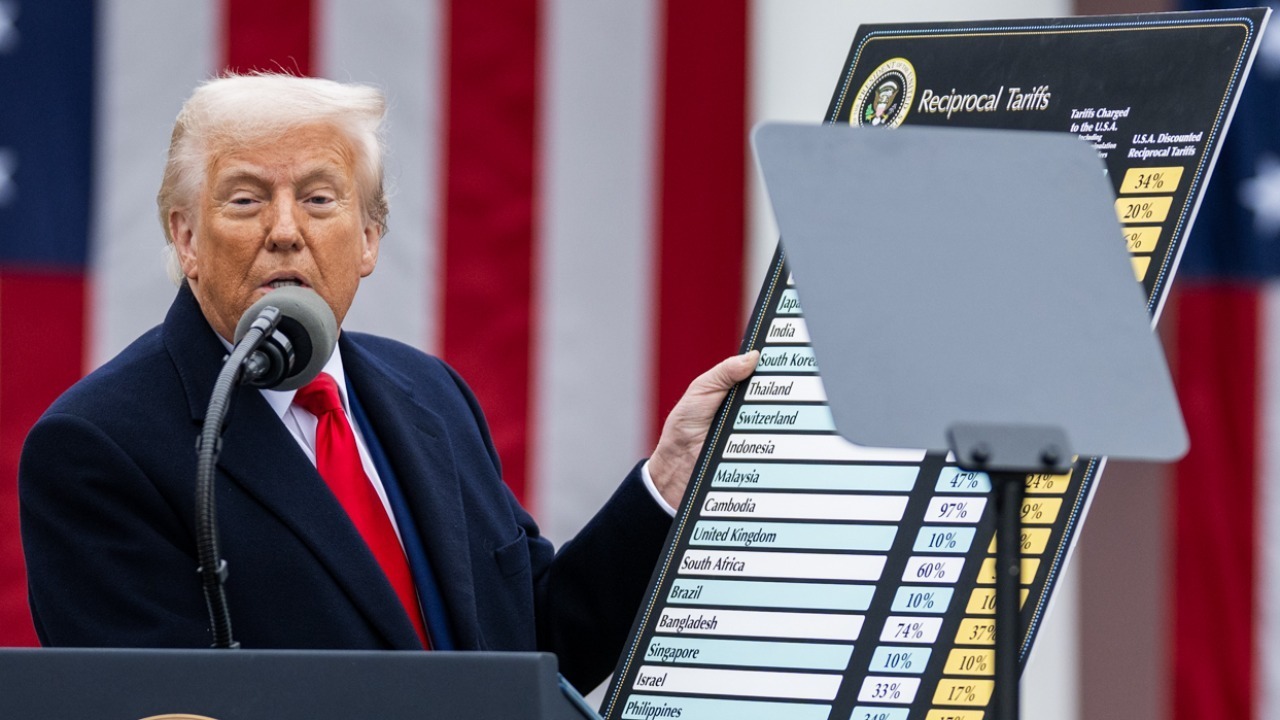
Donald Trump has proposed issuing rebate checks funded by tariff revenue, raising questions about its feasibility. This proposal aims to leverage tariff revenues to support American households amid economic concerns. The idea is to use the funds collected from tariffs, which are taxes on imported goods, to provide financial relief directly to citizens. This approach has been met with both interest and skepticism, as it represents a novel use of tariff revenue that typically contributes to the federal budget rather than direct payments to individuals.
Discussions around the logistics and execution of this plan remain ongoing, with no clear timeline established. The complexity of implementing such a program involves several layers of government coordination and policy adjustments. As of now, there is no definitive plan or schedule for when these rebate checks might be distributed, leaving many to speculate about the potential impact on the economy and individual households. The proposal’s success would depend heavily on the ability to efficiently manage and distribute the funds, a task that requires significant administrative effort and clarity in policy execution.
According to the Burlington Free Press, the proposal is part of a broader strategy to address economic challenges such as inflation and rising living costs. By redirecting tariff revenues, the plan aims to provide immediate relief to households, potentially boosting consumer spending and stimulating economic growth. However, critics argue that relying on tariff revenues could be unstable, as these funds fluctuate based on international trade dynamics and economic conditions. The proposal’s success hinges on balancing these revenues with the need for consistent and reliable funding sources.
IRS Involvement and Public Expectations

As of now, the IRS has not confirmed any official plans to distribute new stimulus checks in 2025. This lack of confirmation has not stopped public anticipation from growing, as citizens wonder if and when these rebate checks might be distributed. The IRS’s potential role in administering these checks is a critical point of discussion, given its experience in handling previous rounds of stimulus payments. However, the agency has yet to outline any specific procedures or timelines for such a distribution, leaving many questions unanswered.
The public’s expectations are fueled by the economic pressures many are facing, including inflation and other financial challenges. The possibility of receiving additional financial support is appealing to many, but the uncertainty surrounding the proposal’s implementation adds to the anxiety. The IRS’s involvement would be crucial in ensuring that the distribution process is smooth and equitable, but without official confirmation or detailed plans, the public remains in a state of anticipation and speculation.
The Providence Journal notes that the IRS’s involvement would be crucial in ensuring the rebate checks are distributed efficiently and equitably. The agency’s previous experience with stimulus payments during the COVID-19 pandemic could provide a framework for managing these new payments. However, the lack of a clear directive from the federal government leaves the IRS in a holding pattern, unable to prepare or allocate resources effectively. This uncertainty contributes to public anxiety, as many Americans are eager for financial relief amidst ongoing economic pressures.
State-Specific Concerns: The Case of Florida

Floridians are particularly interested in whether they will receive a fourth stimulus check due to Trump’s tariff rebate plan. Viral claims have circulated regarding extra payments in 2025, but these remain unverified and speculative. The economic situation in Florida is being closely watched as these discussions continue, with many residents hoping for additional financial relief. The state’s unique economic challenges, including its reliance on tourism and service industries, make the prospect of additional stimulus payments particularly appealing.
Despite the widespread interest, there is no official confirmation that Florida, or any other state, will receive specific payments under the proposed tariff rebate plan. The viral claims have added to the confusion, as they often lack substantiation and can lead to misinformation. As discussions around the proposal continue, Floridians and others across the country are left to navigate the uncertainty, hoping for clarity and concrete plans from federal and state authorities.
For more detailed information on the status of potential stimulus checks and the tariff rebate proposal, you can refer to the following sources: Philly Burbs, Burlington Free Press, Providence Journal, Economic Times, and News Press.
As reported by the Economic Times, Florida’s economy, heavily reliant on tourism, has been particularly vulnerable to economic fluctuations. The prospect of additional financial support is seen as a potential lifeline for many residents. However, the viral claims about a fourth stimulus check have been largely unsubstantiated, leading to confusion and misinformation. State officials have urged residents to rely on official announcements and remain cautious about unverified information circulating online. This highlights the need for clear communication from both state and federal authorities to manage expectations and provide accurate information.

Julian Harrow specializes in taxation, IRS rules, and compliance strategy. His work helps readers navigate complex tax codes, deadlines, and reporting requirements while identifying opportunities for efficiency and risk reduction. At The Daily Overview, Julian breaks down tax-related topics with precision and clarity, making a traditionally dense subject easier to understand.

