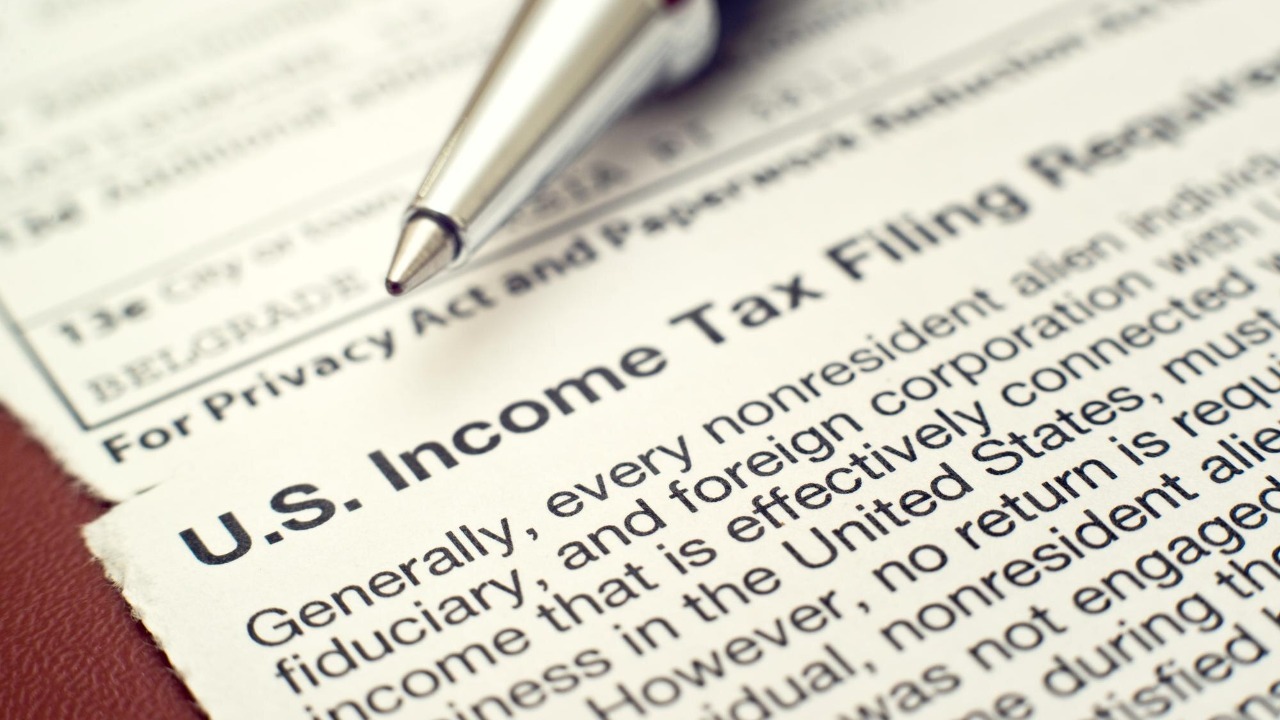
As President-elect Donald Trump prepares to take office in 2025, his proposed policies could reshape retirement savings by altering tax treatments for 401(k)s and IRAs. These changes may potentially increase tax burdens on withdrawals for millions of retirees. Hourly workers, who often struggle with inconsistent income, may find their retirement funds particularly vulnerable to these tax changes without proactive planning. This article explores how taxes could erode your nest egg and offers strategies to protect it.
Traditional 401(k) and IRA Tax Basics

Traditional 401(k)s and IRAs offer upfront tax deductions for contributions, allowing earnings to grow tax-deferred. However, withdrawals in retirement are taxed as ordinary income, which can push retirees into higher tax brackets. This tax structure means that while you benefit from tax savings during your working years, you may face a significant tax burden when you start withdrawing funds in retirement.
Required minimum distributions (RMDs) begin at age 73, compelling retirees to take taxable withdrawals regardless of their financial needs. This requirement can amplify tax exposure during retirement years, as retirees must withdraw a certain amount each year, potentially increasing their taxable income. Additionally, while penalty-free withdrawals are allowed after age 59½, accessing funds earlier incurs a 10% penalty plus taxes, discouraging premature use of these savings.
Roth Accounts: A Tax-Advantaged Alternative
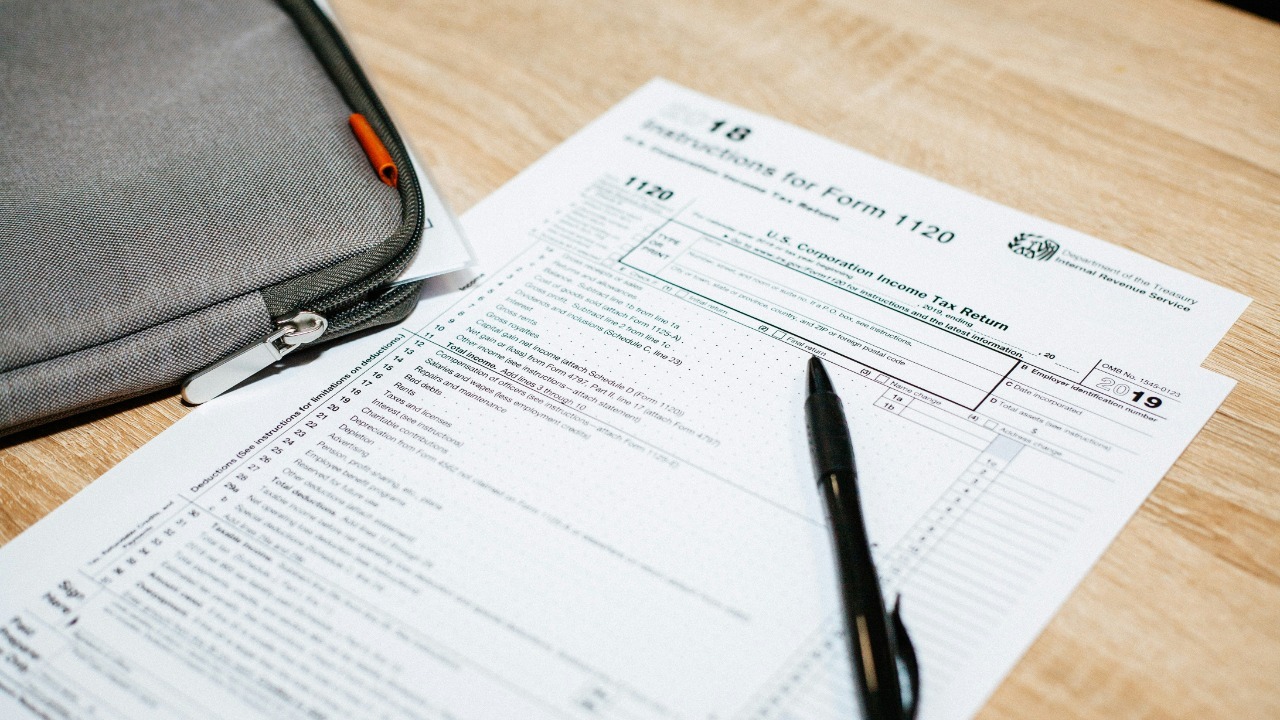
Roth 401(k)s and IRAs provide a tax-advantaged alternative by allowing contributions with after-tax dollars. This setup enables tax-free growth and qualified withdrawals in retirement, shielding funds from future tax hikes. For individuals concerned about rising taxes, Roth accounts offer a way to manage future tax liabilities effectively.
There are income limits for Roth contributions, with the 2024 phase-out starting at $146,000 for singles. High earners can consider backdoor Roth conversions, where traditional IRA funds are converted to Roth, paying taxes upfront to avoid RMDs later. This strategy can be particularly beneficial for those expecting higher tax rates in the future, as it allows for tax-free withdrawals during retirement.
Potential Policy Shifts Under Trump

President-elect Trump’s proposals include eliminating or capping RMDs, which could reduce forced taxable distributions. However, these changes might come with offsets like lower contribution limits or altered tax rates on retirement income. Such shifts could significantly impact retirees’ financial planning, requiring them to reassess their strategies to optimize tax efficiency.
Another potential policy shift involves expanding tax deductions for retirement contributions. While this could benefit traditional accounts, it raises questions about the long-term revenue impacts on Social Security and Medicare. Retirees must stay informed about these changes to adjust their savings strategies accordingly.
There is also the risk of broader tax cuts expiring in 2025, which could revert top rates to 39.6%. This change would increase the tax bite on retirement withdrawals for upper-middle-class retirees, emphasizing the importance of strategic tax planning to mitigate potential increases in tax liabilities.
Strategies for Hourly Workers to Build Tax-Resilient Savings

Hourly workers can automate contributions to 401(k)s via payroll deductions, even with variable hours, to maximize employer matches and defer taxes on earnings. This approach ensures consistent savings growth despite fluctuating income levels. Additionally, diversifying into Roth options or Health Savings Accounts (HSAs) can provide tax-free funds for medical expenses in retirement, helping hourly earners avoid bracket creep.
Engaging in side hustles or gig work can also boost savings rates, targeting 15% of income toward retirement. Utilizing tax credits like the Saver’s Credit can offset current tax burdens, making it easier for hourly workers to save effectively. These strategies are crucial for building a robust retirement fund that withstands potential tax changes.
Mitigating Tax Erosion in Retirement Withdrawals

To mitigate tax erosion, retirees can follow the 4% safe withdrawal rule, adjusted for taxes. Using Roth conversions in low-income years can help fill lower tax brackets and minimize lifetime taxes. This strategy allows retirees to manage their tax liabilities effectively, ensuring that their savings last throughout retirement.
Qualified charitable distributions (QCDs) from IRAs are another option for those over 70½, allowing tax-free giving directly from accounts to reduce RMD taxes. This approach not only supports charitable causes but also helps manage taxable income. Additionally, considering state tax variations is essential, as some states, like Florida or Texas, do not tax retirement withdrawals, while others, like California, do. Relocating to a tax-friendly state can significantly impact retirees’ financial well-being.
By understanding these tax implications and employing strategic planning, retirees can protect their savings from potential tax increases and ensure a more secure financial future. For more detailed insights, explore the potential changes under Trump’s administration at Kiplinger and strategies for hourly workers at Inkl.

Julian Harrow specializes in taxation, IRS rules, and compliance strategy. His work helps readers navigate complex tax codes, deadlines, and reporting requirements while identifying opportunities for efficiency and risk reduction. At The Daily Overview, Julian breaks down tax-related topics with precision and clarity, making a traditionally dense subject easier to understand.

