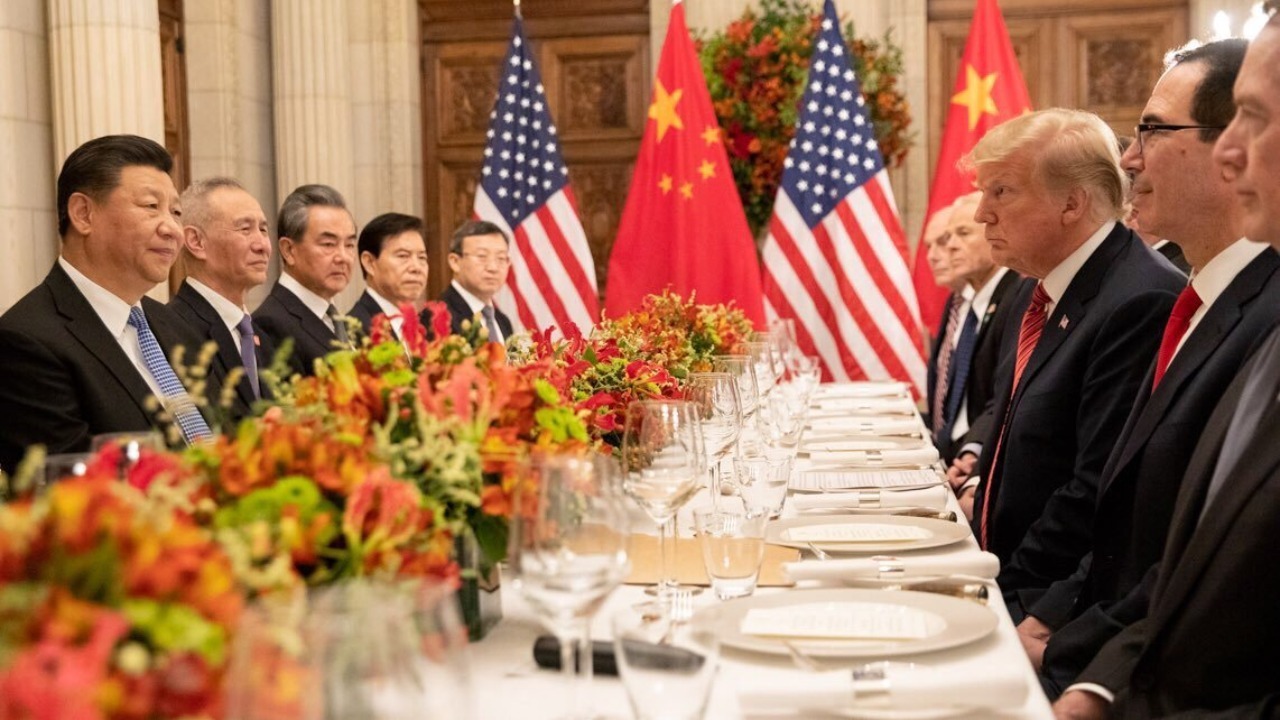
President Trump’s intensifying trade war with China, marked by proposed tariffs on imports, poses a significant threat to America’s long-standing dependence on inexpensive consumer goods. As prices rise, consumers may find themselves able to afford only a fraction of what they previously could, potentially reshaping U.S. consumer culture. Experts warn of severe economic consequences due to disrupted supply chains and broken international trade norms. Trump’s strategy is seen as a high-stakes gamble to reshape global commerce, potentially forcing Americans to reconsider their passion for cheap goods.
Trump’s Tariff Proposals and Strategy
President Trump’s plan to impose broad tariffs on Chinese imports is a cornerstone of his strategy to protect U.S. manufacturing and reduce reliance on foreign goods. By targeting a wide range of products, Trump aims to address trade imbalances and bolster domestic industries. His approach is rooted in the belief that aggressive negotiations can recalibrate the economic relationship between the U.S. and China. This strategy, however, is not without its risks. As CNN reports, the potential for these tariffs to escalate into a full-blown trade war with China looms large, with significant implications for global trade dynamics.
Politically, Trump’s tariff strategy serves multiple purposes. It appeals to his base by promising to bring back manufacturing jobs and reduce the trade deficit. However, the strategy also reflects a broader ambition to reshape international trade norms. According to the Council on Foreign Relations, this approach could lead to a new era of broken trade norms, with potential retaliatory measures from other countries. The stakes are high, as the U.S. risks alienating key trading partners while attempting to assert its economic interests.
Rising Costs for American Consumers
The imposition of tariffs is expected to drive up prices for everyday items, fundamentally altering consumer purchasing power. The example of consumers buying “2 dolls instead of 30” illustrates the direct impact on affordability. As reported by The Christian Science Monitor, this shift could lead to significant changes in retail dynamics, disrupting the era of ultra-cheap imports from Asia. Sectors such as fashion and household goods are particularly vulnerable, as they have long relied on low-cost production overseas.
As prices rise, American consumers will face challenges in adapting to the end of affordable abundance. The shift may force a reevaluation of spending habits, with potential long-term implications for consumer culture. The Business of Fashion highlights how this disruption could lead to a more discerning approach to purchasing, with consumers prioritizing quality over quantity. However, this transition will not be easy, as many households may struggle to adjust to higher costs for basic goods.
Disruption to Global Supply Chains
The potential for catastrophic interruptions in U.S.-China trade flows poses a significant risk to global supply chains. Delays in the delivery of electronics, clothing, and other essentials could become commonplace, affecting both businesses and consumers. As noted by the Wall Street Journal, the disruption of these supply chains could lead to higher costs for businesses, which may be passed on to consumers in the form of increased prices.
Experts warn that Trump’s approach to trade could lead to retaliatory measures from other countries, further exacerbating the situation. Industries most vulnerable to these disruptions include retail and manufacturing sectors that rely heavily on overseas production. The potential for increased costs and delays could have a ripple effect throughout the economy, impacting everything from consumer electronics to automotive parts. As businesses grapple with these challenges, the broader economic implications could be severe, with potential job losses and reduced competitiveness on the global stage.
Long-Term Shifts in Consumer Habits
In the long term, sustained tariffs could fundamentally alter American consumer habits by encouraging a shift towards domestic production and higher-quality purchases. This potential break from America’s addiction to cheap goods could lead to a reevaluation of consumerism and sustainability. As reported by Business of Fashion, the cultural changes prompted by reduced access to low-cost goods could foster a more sustainable approach to consumption, with an emphasis on quality and durability.
The broader economic outcomes of this shift are complex. While there may be job gains in U.S. sectors as domestic production increases, these could be offset by inflation pressures on households. The transition to a more sustainable consumer culture may also require significant adjustments in business models and supply chain strategies. As Americans confront the end of affordable abundance, the potential for a more balanced and sustainable economy emerges, albeit with significant challenges along the way.
More From TheDailyOverview
- Dave Ramsey says these two simple questions show whether you’re rich or poor
- Retired But Want To Work? Try These 18 Jobs for Seniors That Pay Weekly
- IRS raises capital gains thresholds for 2026 and what’s new
- 12 ways to make $5,000 fast that actually work

Grant Mercer covers market dynamics, business trends, and the economic forces driving growth across industries. His analysis connects macro movements with real-world implications for investors, entrepreneurs, and professionals. Through his work at The Daily Overview, Grant helps readers understand how markets function and where opportunities may emerge.

