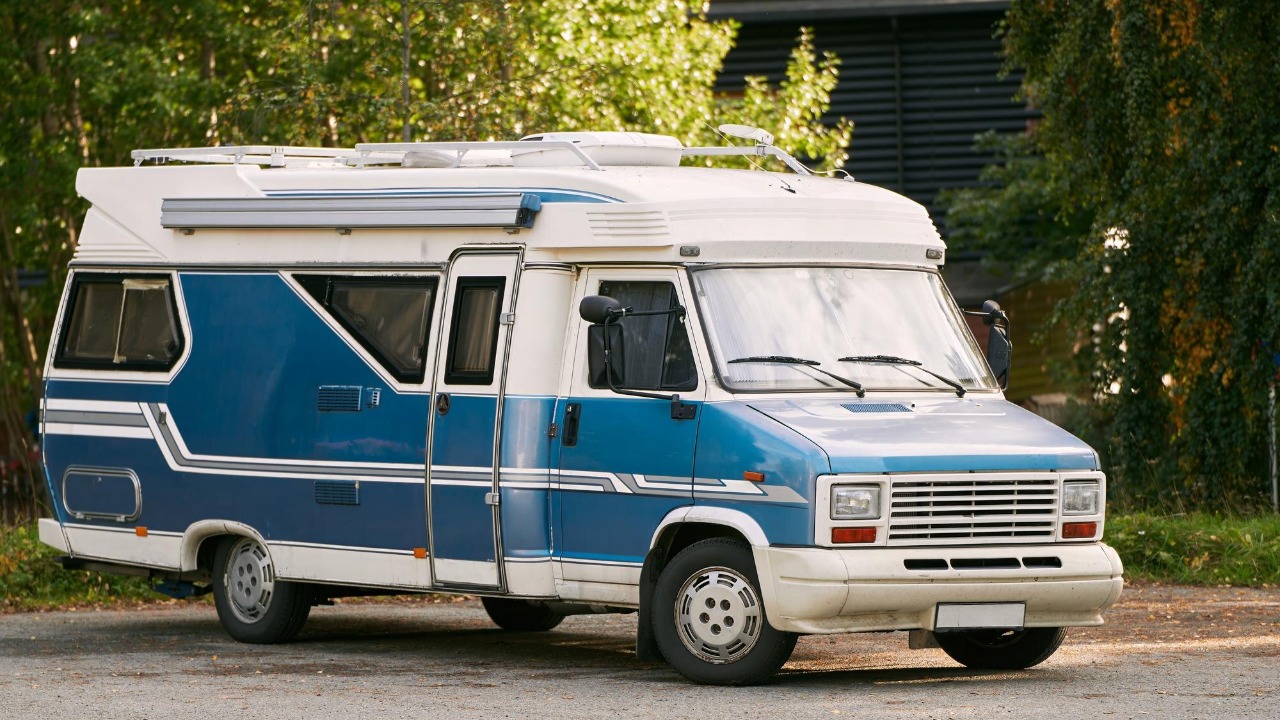
Winnebago Industries has experienced a remarkable surge in its stock value, marking the largest gain in 45 years. This unprecedented rise is largely attributed to a growing interest in recreational vehicles (RVs) among younger demographics. The shift in consumer preferences underscores a significant transformation in the RV market, with Winnebago positioning itself as a leader in adapting to these changes.
The Historic Stock Performance
Winnebago’s stock performance has reached historic levels, with the company experiencing its most significant gain in nearly half a century. The stock’s value soared, reflecting a substantial percentage increase that caught the attention of investors and market analysts alike. This surge in stock price was accompanied by a notable spike in trading volume, indicating heightened investor interest and confidence in the company’s future prospects. The last time Winnebago saw such a dramatic increase was decades ago, making this event a standout moment in its financial history.
To understand the magnitude of this achievement, it’s essential to compare it to previous peaks in Winnebago’s stock performance. Historically, the company has experienced fluctuations in stock value, often influenced by broader economic conditions and shifts in consumer behavior. However, the current gain surpasses previous records, highlighting the unique factors driving this growth. The immediate market reaction has been overwhelmingly positive, with investors showing renewed interest in the RV sector. This enthusiasm is reflected in comparisons to broader automotive and leisure sector indices, where Winnebago’s performance stands out as a beacon of success.
Shifting Demographics in RV Demand
The surge in Winnebago’s stock is closely linked to the changing demographics of RV buyers. Younger consumers, particularly millennials and Gen Z, are increasingly drawn to the RV lifestyle, seeking adventure and flexibility in their travel experiences. This trend is supported by data showing a rise in RV purchases among these age groups, who are attracted to the freedom and versatility that RVs offer. As a result, Winnebago has strategically adapted its product offerings to cater to this new wave of consumers.
Winnebago’s response to this demographic shift includes the development of compact and tech-integrated models that appeal to younger buyers. These innovations are designed to meet the preferences of a generation that values connectivity and convenience. By incorporating modern technology and design elements, Winnebago is successfully capturing the attention of under-40 demographics, as evidenced by increased sales figures and positive consumer feedback. This strategic focus on younger buyers is a key driver of the company’s recent success.
Winnebago’s Strategic Response
In response to the growing interest from younger buyers, Winnebago has launched several initiatives aimed at capitalizing on this trend. The company has implemented targeted marketing campaigns and formed strategic partnerships to enhance its appeal to millennials and Gen Z. These efforts are designed to position Winnebago as a brand that resonates with the values and aspirations of younger consumers, who are increasingly seeking unique and personalized travel experiences.
Recent quarterly earnings reports and production updates reflect the impact of these initiatives, with Winnebago reporting strong financial performance and increased production to meet rising demand. Executive statements from the company emphasize the importance of adapting to demographic shifts in the RV industry, highlighting Winnebago’s commitment to innovation and customer satisfaction. By staying attuned to the needs of younger buyers, Winnebago is well-positioned to maintain its competitive edge in the evolving RV market.
Broader Market Implications
The remarkable rise in Winnebago’s stock value signals broader trends in the leisure travel industry, particularly in the post-pandemic era. As more consumers prioritize outdoor and flexible travel options, the RV sector is poised for continued growth. Winnebago’s success serves as a bellwether for the industry, indicating a shift towards more personalized and adventurous travel experiences. This trend is likely to influence the strategies of other companies in the RV sector, as they seek to capture the attention of younger buyers.
Comparing Winnebago’s performance to its competitors reveals the company’s strong position in the market. While other RV manufacturers are also experiencing growth, Winnebago’s ability to adapt to changing consumer preferences sets it apart. The influx of younger buyers is expected to have long-term effects on stock valuation, with sustained demand driving continued financial success. As the RV industry evolves, Winnebago’s strategic focus on innovation and customer engagement will be critical in maintaining its leadership position.
Overall, Winnebago’s historic stock gain highlights the transformative impact of shifting demographics on the RV market. By embracing the preferences of younger consumers and adapting its product offerings accordingly, Winnebago is poised to thrive in the dynamic landscape of leisure travel. The company’s success serves as a testament to the power of innovation and strategic foresight in navigating changing market conditions.
More From TheDailyOverview
- Dave Ramsey warns to stop 401(k) contributions
- 11 night jobs you can do from home (not exciting but steady)
- Small U.S. cities ready to boom next
- 19 things boomers should never sell no matter what

Elias Broderick specializes in residential and commercial real estate, with a focus on market cycles, property fundamentals, and investment strategy. His writing translates complex housing and development trends into clear insights for both new and experienced investors. At The Daily Overview, Elias explores how real estate fits into long-term wealth planning.